
Aquarium heater adjustable models are popular because they let you dial in a target temperature, but many tanks still drift a few degrees up or down, and that swing can stress fish more than people expect.
If you’re chasing “constant” heat, the good news is that most issues come from setup, sizing, placement, or unrealistic expectations of how tight aquarium control can be in a real room. Fixing those tends to be cheaper than replacing everything.
This guide breaks down why adjustable heaters fluctuate, how to tell if it’s normal cycling or a problem, and what to do step by step. I’ll also point out a few mistakes that waste time, like calibrating based on a bad thermometer.
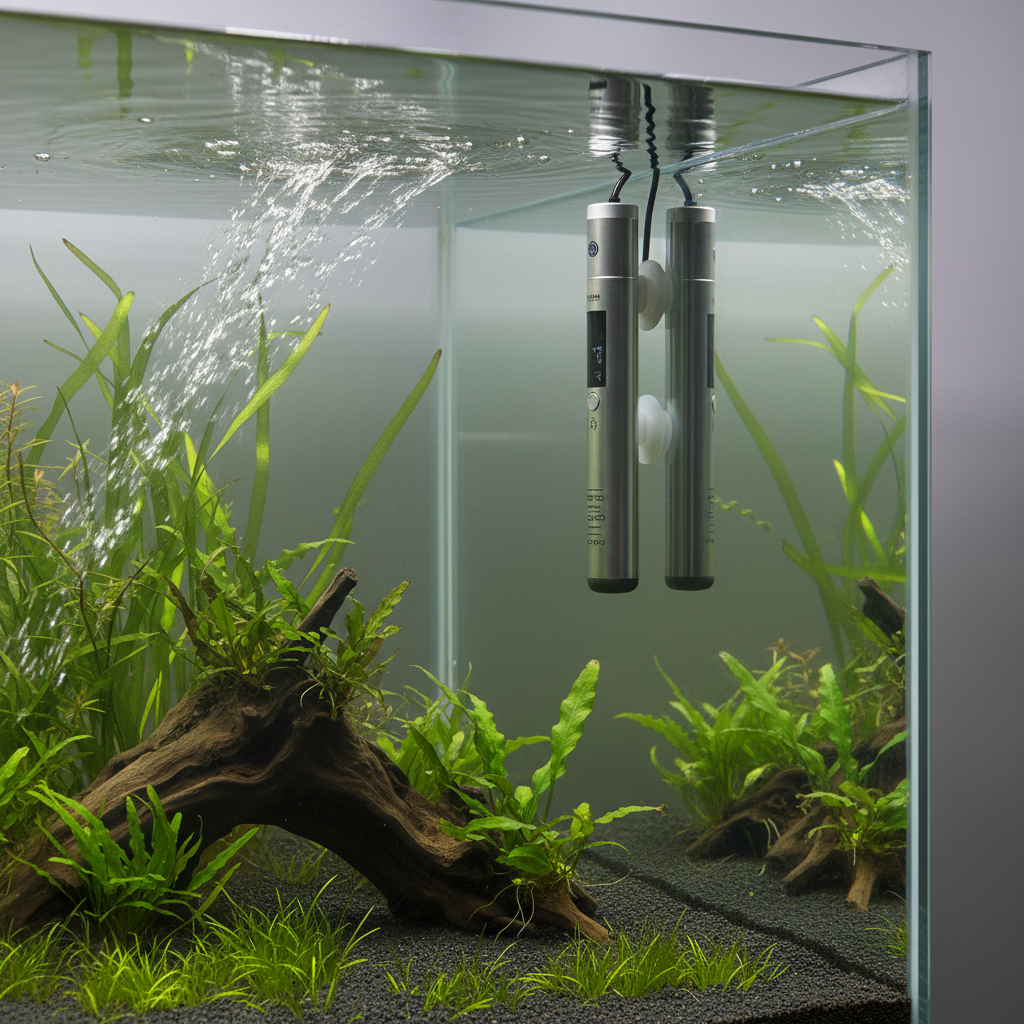
Why an adjustable heater may not feel “constant”
Most adjustable heaters are thermostatic on/off devices, not true continuous controllers. That means they cycle, warming until the sensor hits the set point, then shutting off until temperature drops again.
- Normal thermostat cycling: Many heaters allow a small “deadband” (a couple degrees) to avoid rapid switching. In a small tank, that swing feels bigger.
- Undersized heater: If the heater can’t keep up with room temperature drops, the tank never stabilizes, especially at night.
- Oversized heater + low flow: The water near the heater warms fast, the heater shuts off early, and the rest of the tank lags behind.
- Poor placement: Heaters placed in a low-circulation corner read a “local” temperature, not the tank average.
- Thermometer errors: Chasing stability using an inaccurate thermometer can make you adjust the wrong thing.
According to the U.S. Geological Survey (USGS), water temperature is a core water-quality parameter that affects aquatic organisms’ metabolism and stress response, so avoiding big swings is a practical husbandry goal even in home aquariums.
Quick self-check: is your temperature swing normal or a red flag?
Before buying a new aquarium heater adjustable unit, figure out what you’re actually seeing: normal cycling, measurement noise, or true instability.
A fast checklist
- How big is the swing? Roughly 1–2°F can be typical cycling, while repeated 4–6°F swings often point to sizing, placement, or a failing thermostat.
- When does it happen? Nighttime drops often track room temperature changes or HVAC schedules.
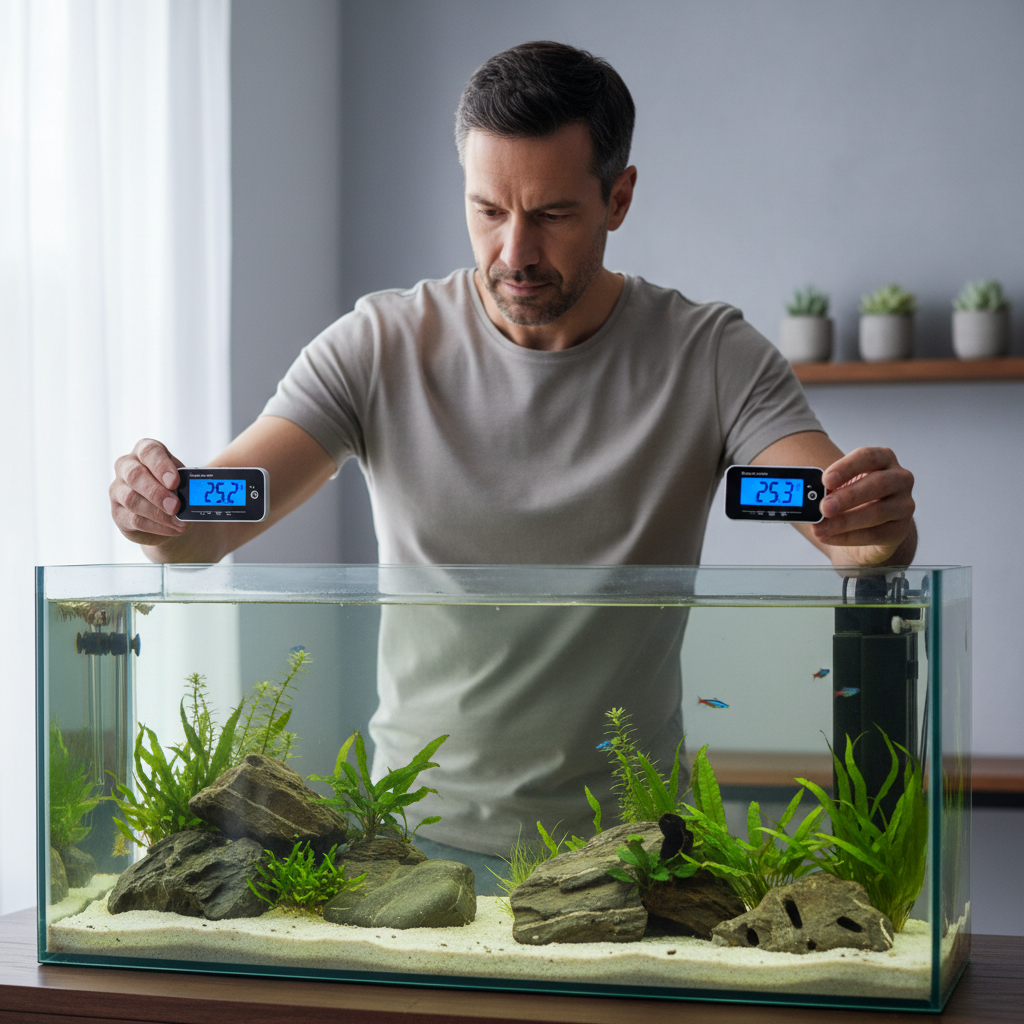
- Where do you measure? Compare readings at opposite ends of the tank, mid-water level, not right beside the heater.
- Do you see “hot spots”? Fish avoiding one side, or plants melting near the heater, suggests uneven distribution.
- Do you have redundancy? A second thermometer can confirm if the first is lying.
If the heater light is on almost constantly and the tank still runs cold, think “insufficient wattage or heat loss.” If the heater clicks on/off frequently and readings vary by location, think “flow and placement.”
Choosing the right adjustable heater: wattage, tank type, and goals
If you want stable temps, heater choice matters, but it’s usually less about brand hype and more about correct sizing for your room and setup. A heater that’s “fine on paper” can struggle in a chilly home or an open-top tank.
A practical sizing table (rule-of-thumb)
These ranges are commonly used in the hobby for average indoor rooms. If your home runs cold, you may need the higher end, or two smaller heaters for safer redundancy.
| Tank Size | Typical Watt Range | When to size up |
|---|---|---|
| 5–10 gal | 25–50 W | Drafty rooms, unheated nights |
| 10–20 gal | 50–100 W | Open-top tanks, frequent temp drops |
| 20–40 gal | 100–200 W | Large delta between room and target temp |
| 40–75 gal | 200–300 W | Basements, cooler climates, high surface agitation |
| 75+ gal | 300 W+ or dual heaters | Prefer two heaters for coverage and safety |
Two smaller heaters can be a smarter “constant temp” play
For bigger tanks, two mid-watt heaters placed at opposite ends often smooth out temperature gradients. It also reduces the risk of a single heater overheating the whole system if it fails “on.”
And yes, a separate temperature controller can tighten stability, but it adds complexity. Many people get 80% of the benefit just by fixing flow, placement, and measurement.
Setup that actually holds temperature: placement, flow, and calibration
Even a good aquarium heater adjustable unit can look “unstable” when installed in the wrong spot. This section is where most real-world wins come from.
Placement that works in most tanks
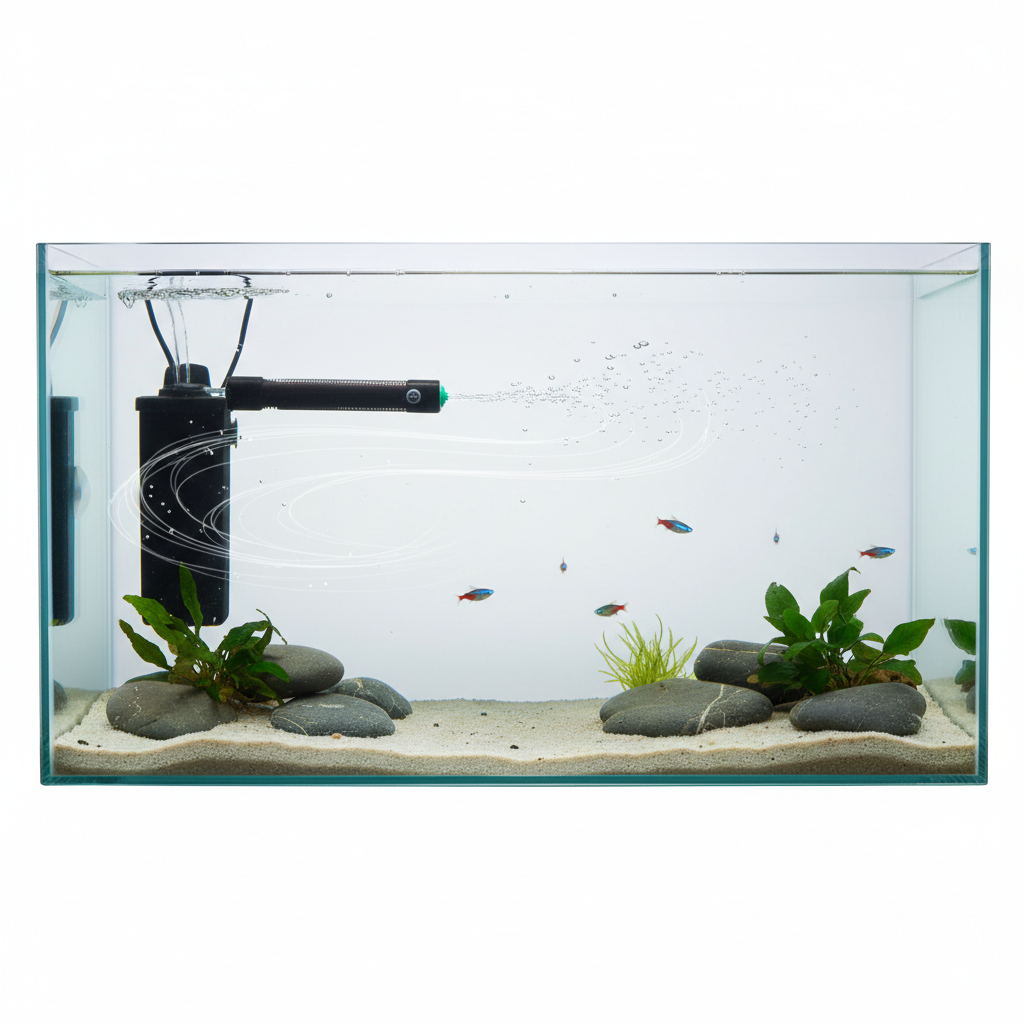
- Near water movement: Place the heater close to the filter outflow or a powerhead so warmed water mixes quickly.
- Low in the tank: Many heaters read and heat best when submerged according to the manufacturer’s minimum waterline.
- Avoid dead corners: Low circulation zones create false readings and uneven heating.
Calibrate using a “known good” thermometer
- Use a reliable digital thermometer or two different thermometers to cross-check.
- Wait 24 hours after each adjustment, since tanks have thermal inertia.
- If your heater dial reads 78°F but the tank sits at 76°F consistently, treat it as an offset and set accordingly.
Small tip that saves frustration: measure at the same time each day for a few days. Random checks can make normal cycling look like chaos.
Step-by-step: making temperature more constant (without overcomplicating)
If your readings swing more than you like, work this list in order. It’s designed to avoid “random tweaking,” which is how most people end up stuck.
- Step 1: Verify the reading. Confirm temperature with a second thermometer, ideally placed on the opposite end of the tank.
- Step 2: Check room temp patterns. If your home drops 8–12°F overnight, the aquarium will feel that. Consider closing vents, reducing drafts, or adding a lid if appropriate.
- Step 3: Improve circulation. Aim for gentle, tank-wide mixing, not a sandstorm. Often a small adjustment to the filter output angle helps.
- Step 4: Re-position the heater. Move it closer to flow and away from glass corners that stay cooler.
- Step 5: Re-size if needed. If the heater runs continuously and can’t reach target, increase wattage or add a second heater.
- Step 6: Consider an external controller. If you keep sensitive species (some discus, certain shrimp) and need tighter control, an external controller can reduce swings, but follow safety instructions closely.
Key takeaways (save these)
- Stable placement + flow beats constant fiddling.
- One accurate thermometer is worth two random guesses.
- Redundancy (two heaters) can improve stability and safety.
Common mistakes and safety notes (the stuff people learn the hard way)
Heaters are simple devices, but they mix electricity and water, so it’s worth being careful. If you’re unsure, follow the manufacturer instructions and consider asking an experienced aquarist or an electrician for guidance.
- Unplug before water changes: Many heaters can crack if exposed to air while hot, even briefly.
- Don’t bury a heater in substrate: It can trap heat and cause inaccurate sensing or damage.
- Avoid placing it too close to livestock “resting spots”: Some fish hover near warm areas and can get stressed or injured if there’s a localized hotspot.
- Don’t chase decimals: Trying to hold an aquarium at exactly 78.0°F all day usually creates more adjustments than improvement.
- Watch for failure signs: Fog inside the tube, sticking on/off, or unexplained big swings can indicate the heater is aging out.
According to the U.S. Consumer Product Safety Commission (CPSC), consumers should follow product safety instructions and stop using electrical products that show damage or malfunction, which applies to aquarium heaters if you notice cracks, corrosion, or erratic behavior.
When it’s time to get help or upgrade the approach
Sometimes the “constant temp” goal bumps into constraints like a cold room, a very small tank, or sensitive livestock. Consider extra support when:
- Your tank swings more than ~4°F repeatedly even after you fix placement and flow.
- You see livestock stress signs (loss of appetite, rapid breathing, unusual hiding). Health issues can look like temperature issues, so a vet who handles fish or a knowledgeable aquatic professional may help.
- Your heater is old or unreliable and you can’t trust it unattended.
- You keep high-value or sensitive species and want tighter control with a controller, alarms, or redundancy.
If you do upgrade, prioritize safety features, clear instructions, and a setup you’ll actually maintain. The fanciest system still fails if no one checks it.
Conclusion: “constant” is realistic, but it’s usually a system fix
A aquarium heater adjustable setup can run steady enough for most fish when wattage matches your conditions, the heater sits in good flow, and you trust your measurements. If your tank still swings, don’t default to replacing the heater, verify temperature, adjust circulation, then re-size or add redundancy.
If you want a quick next step, start by adding a second thermometer and logging morning/evening temps for three days, that one habit makes the right fix obvious more often than not.
FAQ
Why does my adjustable aquarium heater overshoot the set temperature?
Some overshoot comes from residual heat in the heater element and nearby water after shutoff, especially in small tanks or low flow. Improving circulation and moving the heater closer to filter output often reduces the peak.
How accurate is the dial on an aquarium heater adjustable model?
It varies by product and age, and the dial is often “approximate.” Treat it as a starting point, then calibrate using a reliable thermometer and adjust based on consistent readings, not one-off checks.
Is it better to run one big heater or two smaller ones?
In many medium to large tanks, two smaller heaters can improve heat distribution and reduce risk if one fails. In very small tanks, a single properly sized heater is usually simpler, but accuracy becomes more sensitive to placement.
What temperature swing is safe for tropical fish?
Many tropical community fish tolerate small day-to-night changes, but frequent larger swings can cause stress. Since species needs differ, aim for stability and confirm your fish’s preferred range, a local fish store or aquatic vet can help if you keep sensitive species.
Where should I place my heater for the most constant temperature?
Near gentle water flow is usually best, so warmed water circulates across the tank. Avoid stagnant corners and don’t block flow with dense decor right around the heater.
Do I need an external temperature controller?
Not always. If your tank is already within a couple degrees and your heater is reliable, a controller may be unnecessary. If you need tighter control or extra fail-safe protection, a controller can help, but follow installation and safety guidance carefully.
Why is one side of my tank warmer than the other?
This typically points to uneven circulation or heater placement. Check filter output direction, hardscape blocking flow, and confirm temperatures at multiple points before changing the heater setting.
If you’re trying to keep a more constant temperature but you’d rather not guess, it can help to map your tank temps, choose a right-sized heater plan (sometimes dual units), and set up a simple verification routine that you can stick with week after week.