
Guinea pig bedding soft options can make a noticeable difference when your pig seems sneezy, your room feels dusty, or you keep finding wet spots that never fully dry. The tricky part is that “soft” and “dust free” don’t always show up together on the same bag, and the wrong choice can irritate airways or create damp, smelly areas fast.
This guide breaks down what “soft” really means for guinea pigs, how dust gets into bedding, and which materials tend to behave better in real cages with real routines. You’ll also get a quick checklist, a comparison table, and a few setup tips that help you avoid the most common bedding mistakes.
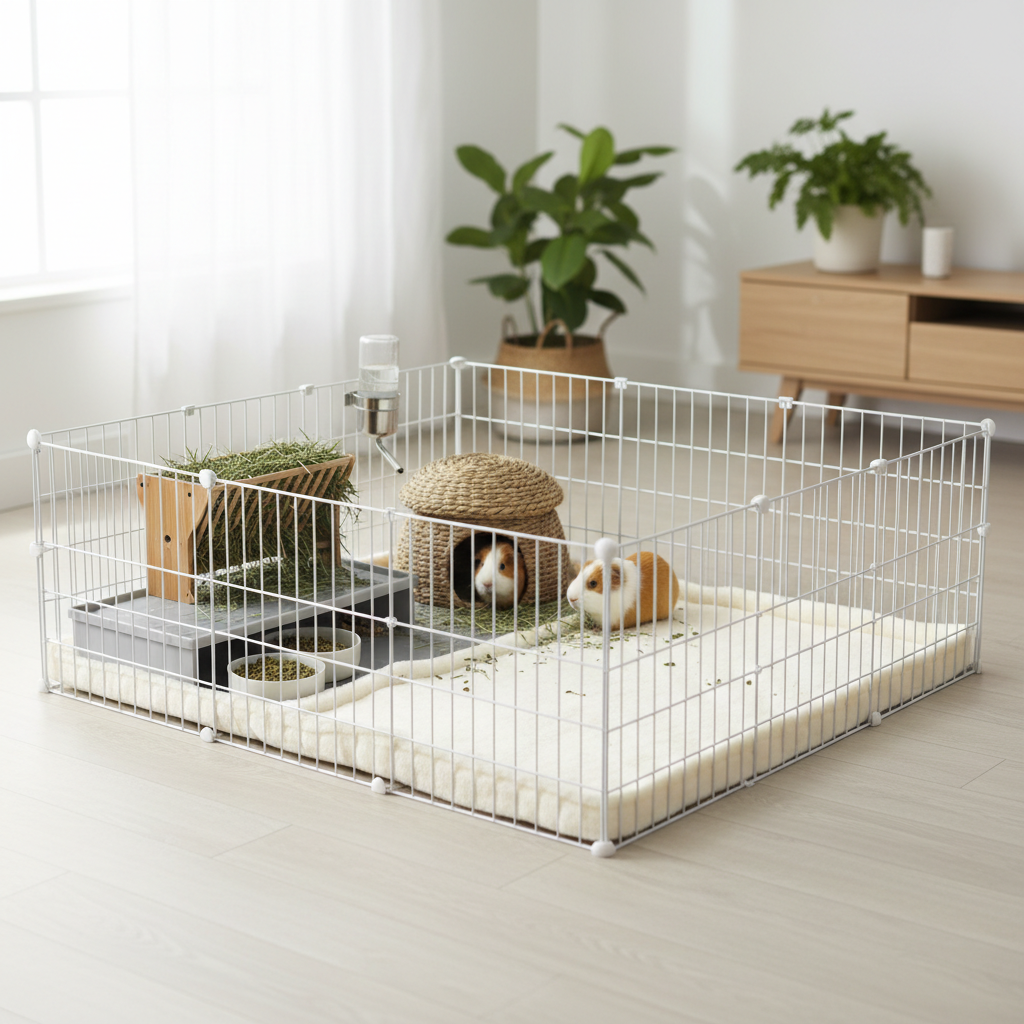
One quick note before we dive in, many “dust free” claims depend on shipping and handling. Even great bedding can arrive crushed, or sit in a warehouse, then release fines when poured. So it’s not only the brand, it’s also how you prep and use it.
What “soft” and “dust free” mean in a guinea pig cage
For guinea pigs, softness is not about “fluffy,” it’s about foot comfort and surface stability. A bedding can feel soft to you and still cause problems if it packs down into a wet layer, or if sharp bits poke their feet.
“Dust free” usually means the manufacturer removed more small particles, but no loose bedding is literally zero-dust. According to the Merck Veterinary Manual, dust and ammonia exposure can contribute to respiratory irritation in small mammals, which is why ventilation and cleanliness matter as much as the substrate.
- Soft often correlates with low abrasion, low sharp fragments, and decent cushioning.
- Dust free correlates with fewer fines, less powder in the bag, and less airborne debris when you pour or stir.
- Safer overall also depends on odor control, absorption, and whether the bedding stays dry under hides.
Common reasons bedding feels dusty or uncomfortable (even if the label says otherwise)
If your pigs sneeze mostly right after a full change, or you see a haze when you pour bedding, you’re probably dealing with fines. That can happen with paper, wood, and even some “premium” lines.
- Bag fines from shipping: pellets rub, paper crumbles, and dust settles at the bottom of the bag.
- Over-agitation: shaking bedding to “fluff it up” often launches particles into the air.
- Too-thin layer: a thin bed gets saturated quickly, then you smell ammonia sooner and pigs track wet bits around.
- Wrong match for your layout: a big open cage with a single bedding type behaves differently than a cage with a dedicated hay “kitchen.”
- Humidity and airflow: poor ventilation makes moisture linger, then bedding breaks down faster.
Also, softness can drop over time. A paper bedding that starts cloud-like might become heavy and clumpy after repeated spot cleaning, especially in high-traffic corners.
Quick self-check: what bedding profile do you actually need?
Before you buy another bag, run through this. It keeps you from chasing “soft” while missing the real issue.
- Respiratory sensitivity: frequent sneezing, watery eyes, or noisy breathing means you should prioritize lower-dust setups and strong cleaning habits, and consider asking an exotics vet for guidance.
- Foot comfort: if you notice redness, scabbing, or reluctance to move, look at surface texture and moisture management, not only softness.
- Mess style: some pigs pee in a few corners, others spread it everywhere, your pattern dictates whether you need higher absorbency or easier spot cleaning.
- Your cleaning reality: if you can’t do frequent full changes, pick a system that stays dry longer without masking odor.
- Noise and tracking: if bedding trails through the house, you may need heavier paper, a kitchen pan, or a fleece + litter box hybrid.
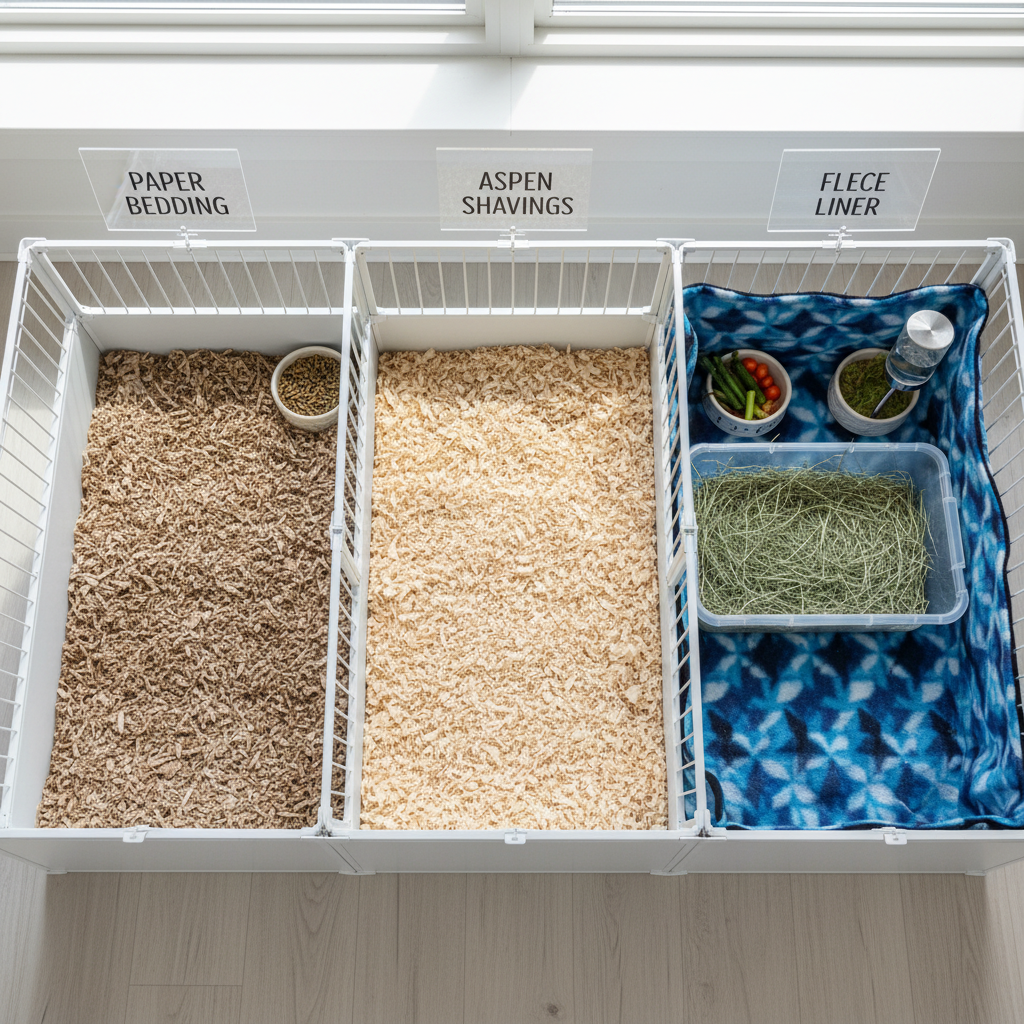
If you answered “yes” to respiratory sensitivity, treat dust control as non-negotiable. If foot comfort is the worry, aim for stable, dry, non-abrasive surfaces and avoid anything that stays damp.
Material breakdown: what tends to work (and what to be cautious with)
There isn’t one perfect choice, but patterns show up across many households.
Paper bedding (soft feel, varies on dust)
Paper is often a go-to because it feels gentle and can be quite absorbent. The downside is quality swings, some bags are genuinely low-dust, others come with a powdery bottom layer.
- Good for: softness, comfort, easy burrowing, odor control when kept dry.
- Watch for: dusty batches, clumping when saturated, tracking outside the cage.
Aspen shavings (often lower odor, not always “soft”)
Aspen is commonly used because it tends to be less aromatic than pine or cedar. Softness depends on cut and brand, some feel smooth, some feel pokier. Dust also varies by batch.
- Good for: decent absorption, less tracking than fluffy paper, some pigs do well on it.
- Watch for: splinters, sharp pieces, dusty bags, dryness that still doesn’t solve wet corners.
Fleece liners (dust control winner, depends on laundry discipline)
If your priority is dust reduction, fleece setups are popular because there’s no loose particulate to kick up. But they’re not “set and forget,” you’re trading bag purchases for routine washing and proper underlayers.
- Good for: very low airborne dust, stable walking surface, easier daily spot cleaning.
- Watch for: wet smell if absorbent layer is weak, laundry load, wicking problems if fleece is low quality or coated.
What to avoid or be extra cautious about
- Cedar: aromatic oils can irritate small animal airways in many cases.
- Strongly scented bedding: scent often masks odor rather than improving hygiene, and may bother sensitive pigs.
- Cat litter or clumping products: not designed for guinea pigs, can create ingestion or dust risks.
According to the ASPCA, guinea pigs have sensitive respiratory systems, so minimizing irritants and keeping living areas clean matters, especially in smaller rooms.
Comparison table: soft, dust, absorbency, and upkeep
Use this as a starting point, then adjust based on your pigs’ habits and your cleaning schedule.
| Type | Softness (feet comfort) | Dust potential | Absorbency | Upkeep style |
|---|---|---|---|---|
| Paper bedding | High (usually) | Low to Medium (brand/batch) | High | Spot clean + frequent refresh |
| Aspen shavings | Medium | Medium (varies) | Medium | Spot clean + full change |
| Fleece + absorbent layer | High (stable surface) | Very Low | Depends on underlayer | Daily sweep + weekly wash |
| Pelleted paper (as base) | Low to Medium | Low (often) | High | Great under “kitchen” areas |
Practical setup: how to get a softer, lower-dust cage without overthinking it
Most people get better results by designing zones, not by hunting for a magical bag. A common approach is a soft main area plus a high-absorbency “kitchen” where hay and most pee happens.
Option A: Paper bedding with a dedicated kitchen tray
- Keep the main space on softer paper bedding with a comfortable depth.
- Add a tray under the hay rack with pelleted paper or heavier paper to handle moisture.
- Spot clean the tray daily, refresh the main bedding as needed.
Option B: Fleece main area + loose bedding only in the kitchen
- Use fleece over a proven absorbent layer (pads, U-Haul style furniture pads, or purpose-made inserts).
- Put paper pellets or low-dust paper in the hay kitchen to catch droppings and urine.
- Shake out solids daily, wash on a consistent schedule.
Option C: Aspen (only if your batch is clean and your pigs do well on it)
- Choose larger-cut aspen when possible, it often feels less poky and throws less dust.
- Use extra softness where they lounge, like a fleece pad on top in a “living room” corner.
- Watch for irritation, and switch if sneezing ramps up after changes.
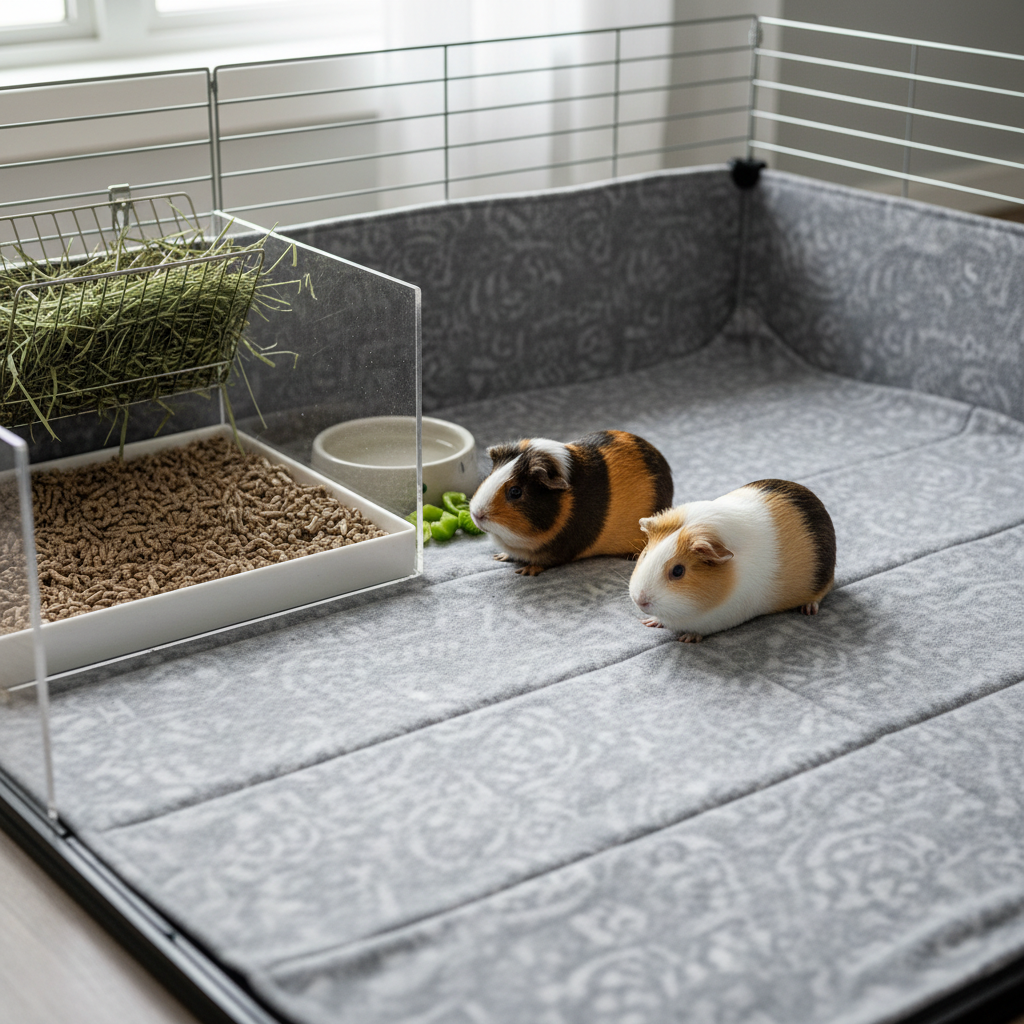
Key point: if you want guinea pig bedding soft and dust control, zoning usually beats using one material everywhere, because hay zones get messy no matter what.
Dust-control habits that actually help (without turning cleaning into a second job)
You can reduce dust even when you stick with loose bedding, a few small habits matter more than people expect.
- Pour gently: tip bedding in slowly, don’t “dump and fluff.”
- Air out the bag: if a bag seems dusty, opening it outdoors and letting it sit briefly can help fines settle.
- Use a sieve for bottom-of-bag dust: many owners discard the last dusty portion rather than forcing it into the cage.
- Improve ventilation: good room airflow reduces ammonia buildup, just avoid direct drafts on the cage.
- Spot clean wet corners daily: less moisture means less breakdown and fewer odors.
If you notice odor returning quickly, it’s often a moisture issue, not a “need more deodorizer” issue.
When to ask a vet (or an experienced rescue) for help
If you’re chasing dust-free products and your guinea pig still sneezes often, breath sounds change, or appetite dips, it’s worth checking in with an exotics veterinarian. Respiratory infections can look like “bedding irritation” at the start, and waiting rarely makes it easier.
- Persistent sneezing that doesn’t improve after a bedding change
- Wheezing, clicking, or labored breathing
- Crusty eyes/nose, lethargy, weight loss
- Foot sores or repeated redness that suggests a surface or moisture problem
Many rescues also have practical input on what works locally, including which bedding brands arrive less dusty in your region.
Conclusion: a comfortable, low-dust cage is usually a system, not a single product
Most cages improve when you treat softness as “dry and stable underfoot” and treat dust control as part product, part routine. If you want the simplest next step, set up a kitchen zone, then choose your main bedding based on what your pigs tolerate and what you can maintain.
Action ideas for this week: pick one change that reduces dust during cage resets, and one change that keeps wet spots from sitting overnight, those two together solve a lot of “mystery” irritation.
FAQ
What is the softest bedding for guinea pigs that is still low dust?
Many owners find softer paper bedding lines feel gentlest, but dust varies by bag. If dust sensitivity is a concern, a fleece main area with a low-dust kitchen zone often keeps air cleaner while staying comfortable.
Why does my guinea pig sneeze right after I change bedding?
That timing often points to airborne fines stirred up during pouring and leveling. Pour more slowly, avoid fluffing, and consider discarding the dusty bottom of the bag; if sneezing persists, a vet check is a safer move.
Is aspen bedding safe for guinea pigs?
Aspen is commonly used and is generally considered less aromatic than cedar, but individual pigs vary. If you see more sneezing or your batch feels sharp, switching materials is reasonable.
Can I mix paper bedding and fleece in the same cage?
Yes, and it’s often practical. A fleece “living area” plus a paper or pellet kitchen zone helps contain hay mess and moisture without covering the whole cage in loose bedding.
How deep should bedding be for comfort and odor control?
Depth depends on material and how your pigs use the cage. Too thin tends to saturate fast; a moderate layer that stays dry between spot cleans usually performs better than constantly trying to stretch a thin layer.
What bedding should I avoid if I want a dust-free setup?
Strongly scented products and cedar are common “avoid” categories for sensitive pigs. Even with “dust free” claims, any loose bedding that looks powdery when poured should be treated cautiously.
Does “dust free” bedding eliminate respiratory risk?
It can reduce irritation triggers, but it doesn’t erase risk. Ventilation, frequent removal of wet spots, and watching for signs of illness matter just as much.
How do I reduce odor without adding scented products?
Focus on moisture control: a kitchen tray, daily spot cleaning, and enough absorbent material under hides. Odor is often a sign urine is sitting too long, not that you need stronger fragrance.
If you’re trying to balance a cleaner room with a setup your pigs actually enjoy, start by writing down your top two issues, dust, odor, tracking, or foot comfort, then build a simple “zones” layout around those priorities so you’re not stuck buying random bags hoping the next one fixes everything.