
hamster bedding aspen shavings dust free is what many owners search for after they notice sneezing, watery eyes, or a cage that smells “off” way too fast, and yes, it can make a noticeable difference when you choose the right aspen and set it up correctly.
Aspen is popular because it usually balances burrowing, odor control, and availability in the U.S., but “dust free” on a bag does not always mean truly low-dust in real life. The bigger win comes from knowing what to look for, how to prep it, and when to switch materials.
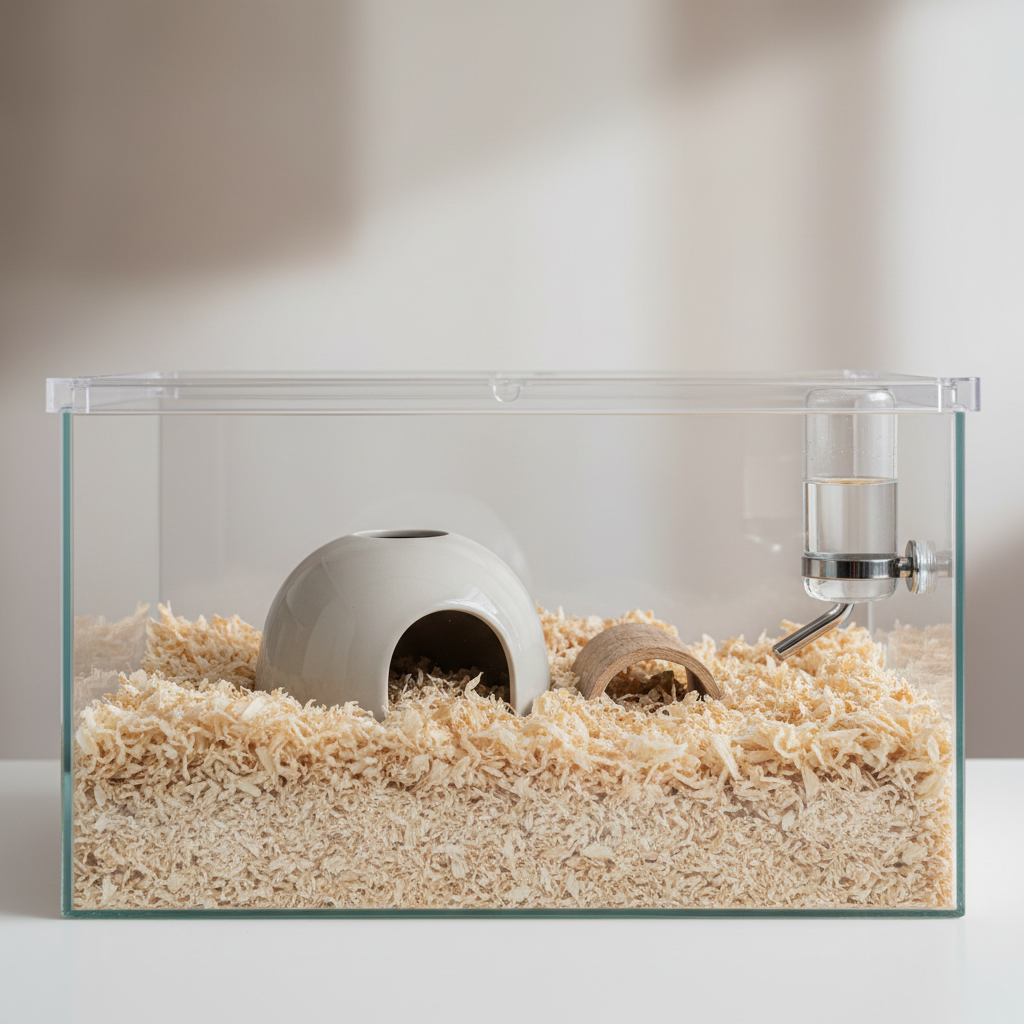
Below is a practical guide: why dust matters, how to judge a bag quickly, a comparison table, and a setup routine that helps keep the cage calmer for your hamster and easier for you to maintain.
Why “dust free” matters more than it sounds
Dust is not just messy, it can be irritating. Fine particles can get into eyes and airways, especially in small animals that live close to their bedding and spend time digging.
According to the American Veterinary Medical Association (AVMA)... small mammals can be sensitive to environmental irritants, and good husbandry choices often reduce preventable health stress. That does not mean every sneeze equals a crisis, but persistent irritation is worth taking seriously.
- Respiratory irritation: frequent sneezing, nose rubbing, louder breathing can show up in dusty setups.
- Eye irritation: watery or crusty eyes sometimes correlate with dusty substrate or poor ventilation.
- Odor problems: ironically, very dusty bedding can feel “dry” yet still hold ammonia pockets if it mats down.
Is aspen actually a good hamster bedding choice?
In many U.S. households, aspen shavings are a workable option for hamsters because they tend to be less aromatic than cedar or many pine products, and they can support burrowing when the cut is right.
That said, aspen varies a lot by brand and batch. Some bags are chunky and stable, others arrive with a sawdust layer at the bottom that defeats the whole point of looking for low-dust.
A quick reality check on “dust free” claims
“Dust free” is often a marketing term, not a regulated standard. A product can be “lower dust” than typical shavings and still be too dusty for a sensitive hamster. Your own quick checks matter more than the label.
How to tell if your aspen shavings are truly low-dust (fast checks)
If you want hamster bedding aspen shavings dust free in practice, not just on paper, you need a simple routine for judging what you bought before it goes into the enclosure.
- Bag-bottom check: if you see a heavy tan “powder” layer through the plastic, expect more airborne dust.
- Shake test (outdoors): pour a cup into a bucket, gently shake, if a visible cloud forms, it is not low-dust.
- Hand feel: good aspen feels like light curls/chips, not gritty fines.
- Smell check: it should smell like clean wood, not sharp fragrance, not “musty basement.”
- Moisture check: damp-feeling shavings can mold faster; skip and return if possible.
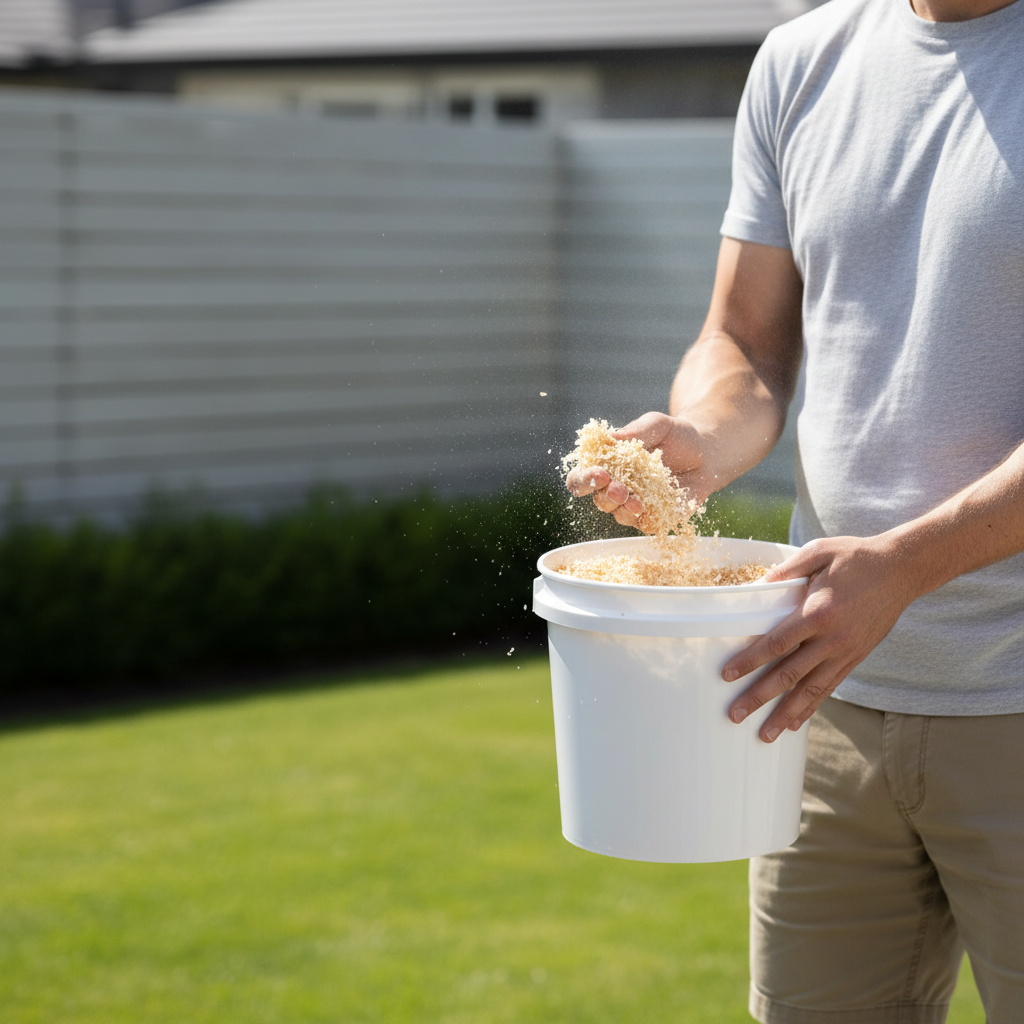
If your hamster already has respiratory symptoms, treat this as a “reduce variables” moment, swap to a known low-dust option and consider asking an exotic-savvy vet for guidance.
Aspen vs paper vs hemp: what most owners notice (comparison table)
There is no single best bedding for every hamster and every home. Humidity, cage ventilation, how deep you pack, even how much your hamster pees in one corner can change the outcome.
| Type | Dust risk (typical) | Burrowing support | Odor control | Owner notes |
|---|---|---|---|---|
| Aspen shavings | Low to medium (brand-dependent) | Good if cut is “curly” and depth is adequate | Good with regular spot-cleaning | Watch for dusty batches; avoid aromatic softwoods |
| Paper bedding | Low to medium (varies by brand) | Good when packed; some types collapse | Medium; can smell sooner if it stays damp | Great for sensitive hamsters, may cost more for deep setups |
| Hemp bedding | Often low | Good, springy structure | Often good | Availability varies; texture not every hamster loves |
If you are stuck between aspen and paper, the deciding factor is usually your hamster’s sensitivity and your tolerance for maintenance: paper feels “softer,” aspen often feels “cleaner” and less prone to clumping, but only when it is genuinely low-dust.
Practical setup: making aspen work for burrows and cleanliness
Aspen performs best when it is used deep enough and paired with basic cage habits. Thin layers turn into scattered chips and odor faster, which then tempts people into over-cleaning, and that creates stress.
Step-by-step bedding setup
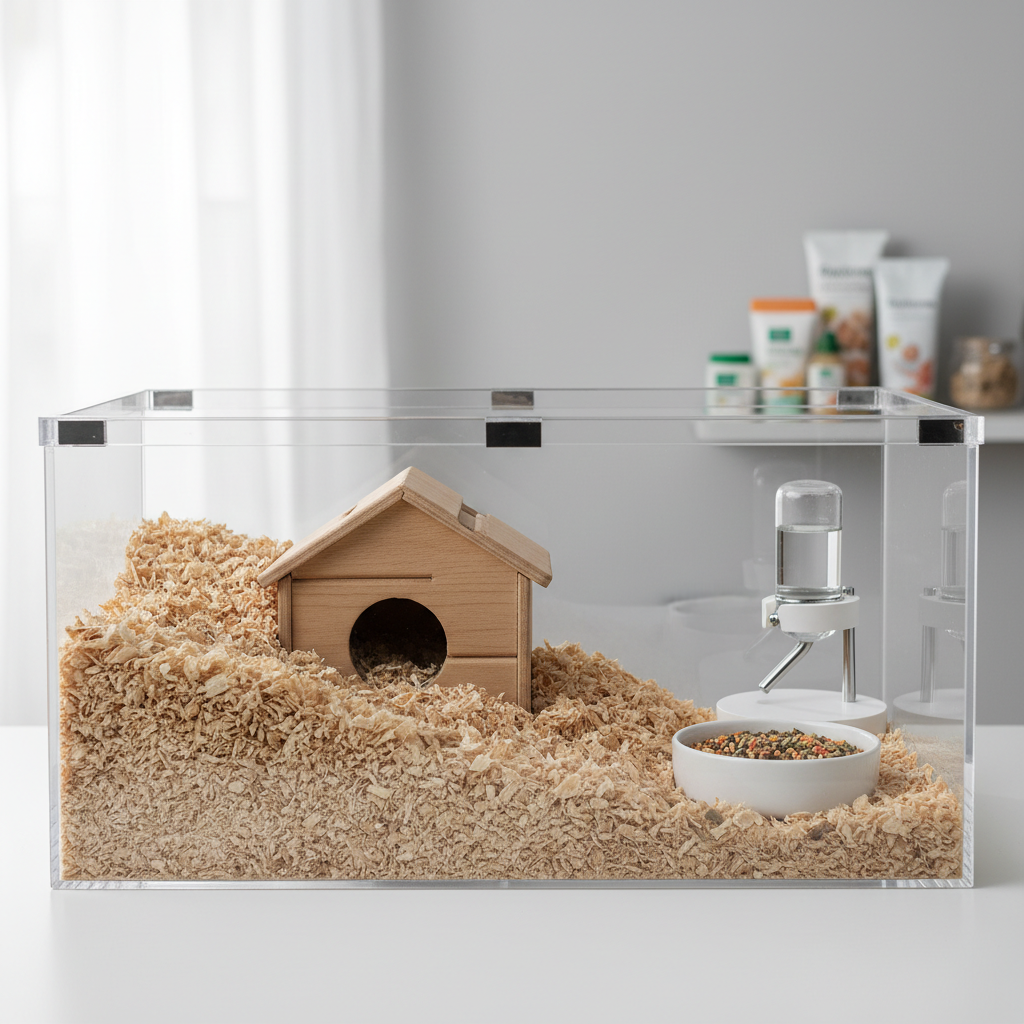
- Depth: aim for 6–10 inches where possible, with a deeper “dig zone” on one side.
- Pack lightly: press down in layers so tunnels hold, but do not crush it into a hard mat.
- Keep one “scent area”: avoid stripping all bedding weekly; leave a small amount of clean-ish old bedding to reduce stress.
- Build a pee corner: put a litter tray or a flat area with a different substrate in the usual bathroom spot.
- Ventilation: wire-top or well-vented enclosures help, but avoid placing cages right under a vent blowing directly.
Spot-cleaning rhythm that usually works
Most homes do better with small, frequent spot-cleaning than big full changes. Remove wet clumps and soiled corners every couple of days, then do partial bedding refreshes as needed.
If odor is your main complaint, check for hidden wet pockets under houses and wheels. That is where ammonia smell often starts, even if the surface looks fine.
Common mistakes with “dust free” aspen (and how to avoid them)
- Buying “small animal” wood shavings without checking wood type: avoid cedar; many owners avoid most pine due to aromatic oils, ask a vet if unsure.
- Pouring straight from the bag into the cage: do a quick dust check first, especially for new brands.
- Over-cleaning: a totally “reset” cage can stress hamsters, and stress can look like hyperactivity, hiding, or even reduced appetite.
- Using scented add-ins: fragrance products can add irritation even if the base bedding is decent.
- Ignoring humidity: in humid regions, any bedding can hold moisture longer, increase spot-cleaning and airflow rather than swapping products blindly.
If you are trying to hit the sweet spot for hamster bedding aspen shavings dust free, the goal is not perfection, it is reducing irritants while keeping the habitat stable and dig-friendly.
When to switch bedding or talk to a professional
Some situations deserve a faster pivot. If sneezing continues after a bedding change, or you notice wheezing, lethargy, discharge from the nose or eyes, or reduced eating, it is safer to contact a veterinarian who sees small mammals.
According to the American Animal Hospital Association (AAHA)... persistent respiratory signs in pets should be evaluated, because “wait and see” can miss treatable issues. For hamsters, signs can be subtle, so trust your gut if something feels off.
- Switch now: visible dust clouds, strong musty odor, damp bedding, or new symptoms after opening a fresh bag.
- Ask a vet: symptoms last more than a few days, or breathing looks labored.
- Consider paper or hemp: history of sensitivity, older hamsters, or homes with frequent dust exposure.
Key takeaways (so you can act today)
- “Dust free” is not a guarantee, run quick checks before you commit a whole bag to the cage.
- Deep bedding matters, aspen performs better when hamsters can burrow and separate clean and dirty zones.
- Spot-cleaning beats constant full changes, it helps odor and keeps the habitat emotionally “stable.”
- Watch your hamster, if irritation persists, switch materials and consider professional advice.
Conclusion: picking a low-dust aspen that actually works
If your goal is hamster bedding aspen shavings dust free, choose a genuinely low-dust aspen, set it up deep, and manage moisture with spot-cleaning rather than frequent resets. That combo tends to solve the “sneezy and smelly” cycle better than chasing labels.
Action-wise, start simple: test the bag you already have, and if it fails, switch to a lower-dust batch or a different bedding type for a couple of weeks, then judge your hamster’s comfort and your cage maintenance workload.
FAQ
Are aspen shavings safe for hamster bedding?
Many owners use aspen successfully, especially when it is low-dust and kept dry. Safety still depends on the specific product and your hamster’s sensitivity, so monitor for sneezing or eye irritation and adjust if needed.
How do I know if my “dust free” aspen is still too dusty?
If you see a visible cloud during a gentle shake test, or fine powder builds up quickly on surfaces near the cage, it is probably too dusty. In that case, switching brands or materials is usually more effective than trying to “air it out” indoors.
Can dusty bedding cause respiratory infections in hamsters?
Dust can irritate airways and may make some hamsters more vulnerable, but it is not the only factor. If symptoms are persistent or worsening, it is smarter to consult a veterinarian rather than assuming bedding is the only cause.
Should I freeze or bake aspen bedding before use?
Some people do, usually to reduce pests, but it is not universally necessary and can introduce moisture issues if done poorly. If you are concerned, consider buying from reputable retailers and storing bedding in a dry, sealed container.
What bedding is best for a hamster that keeps sneezing?
Many sensitive hamsters do better on a known low-dust paper bedding or hemp, but results vary. The key is to change one variable at a time, then watch symptoms for several days.
How often should I change aspen bedding?
Spot-clean wet areas every couple of days and refresh portions when odor starts to build. Full changes too often can stress hamsters, so many setups do better with partial swaps unless there is a hygiene issue.
Why does my cage smell even with “dust free” aspen?
Smell usually comes from hidden wet spots, not dust. Check under hides, wheels, and in corners, and make a dedicated bathroom area so urine stays contained.
If you are trying different options and still cannot find a hamster bedding aspen shavings dust free setup that keeps symptoms and odor under control, it may help to write down your current enclosure type, bedding depth, cleaning rhythm, and symptoms, then share that with a small-animal vet or an experienced rescue, it speeds up troubleshooting without guesswork.