
How to clean cat fountain filter comes down to two goals: rinse out trapped gunk without destroying the filter media, and keep the fountain flowing so your cat actually wants to drink.
If you have noticed slime, a musty smell, slower water flow, or your cat suddenly acting suspicious of the fountain, the filter is often where the problem starts. The good news is you usually do not need fancy tools, you just need the right method for the filter type.
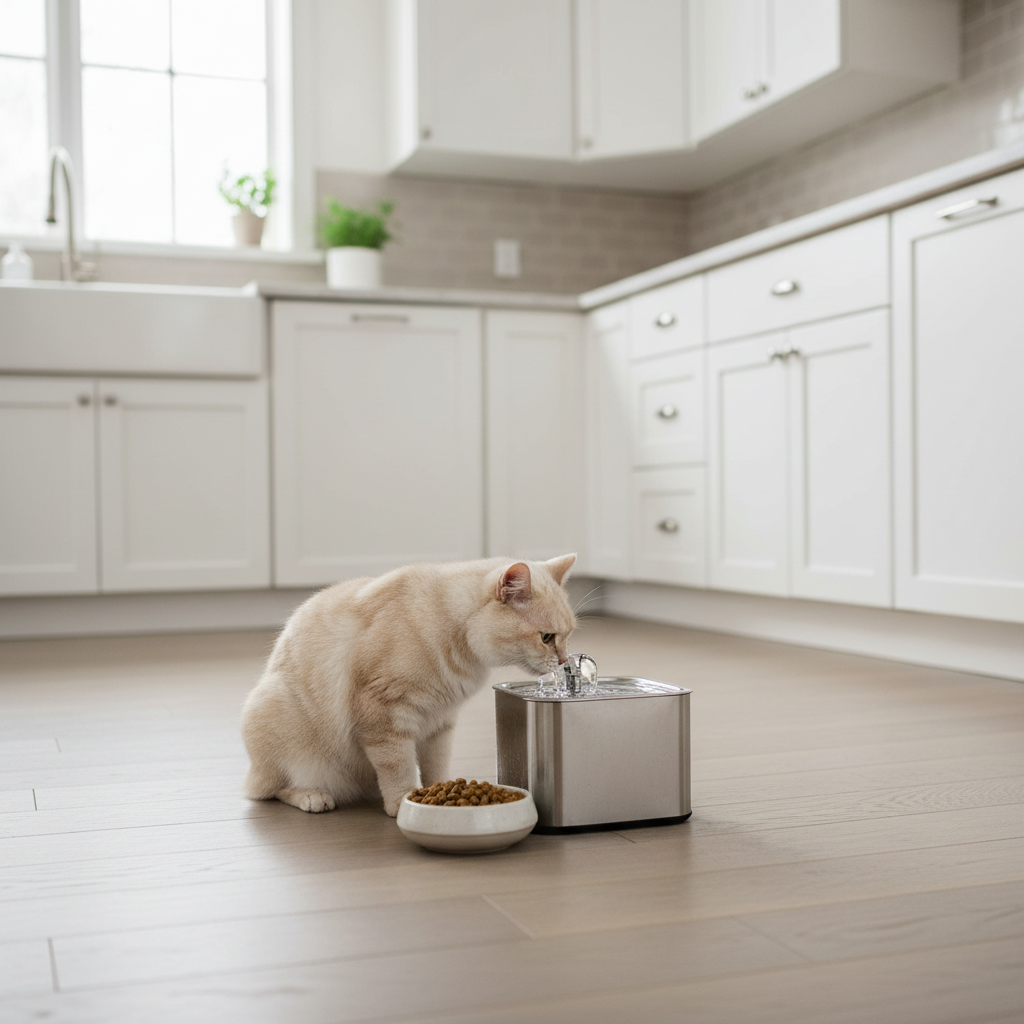
One quick reality check before we get into steps, many “filters” are not meant to be scrubbed back to new. Some are designed for light rinsing only, others are basically disposable. Cleaning helps, but it does not replace regular filter changes.
Know what filter you have (it changes the cleaning method)
Before you wash anything, confirm the filter type in your manual or on the packaging. A carbon filter and a foam pre-filter behave very differently when you try to clean them.
- Activated carbon filter (common): often a flat cartridge with charcoal inside. You can rinse debris and reduce carbon dust, but carbon “capacity” runs out over time.
- Foam pre-filter (sleeve or ring): catches hair and big particles before they hit the pump. This one benefits most from regular cleaning.
- Multi-stage or “3-in-1” cartridge: may include cotton, resin, carbon. Rinse gently, do not aggressively scrub the seams.
- Stainless mesh or plastic screen: usually washable and reusable, focus on removing biofilm and mineral scale.
If you are unsure, treat it gently: rinse with cool water, avoid soap on anything that claims “carbon” or “resin,” and do not use hot water that can warp plastic housings.
Why your cat fountain filter gets gross so fast
Most clogs are not mysterious, they are a mix of normal cat stuff and water chemistry.
- Hair and food dust: cats shed, and many drink right after eating, so tiny kibble particles travel into the fountain.
- Biofilm: that slippery layer is bacteria and organic buildup. According to CDC guidance on cleaning and sanitizing, biofilm can make surfaces harder to clean if you wait too long.
- Hard water minerals: calcium and magnesium create scale that restricts flow and makes surfaces feel rough.
- Low water level: pumps run “hotter,” pulling more debris and concentrating gunk in the filter.
If you feel like you are cleaning constantly, it is usually one of two patterns: a foam pre-filter packed with hair, or hard water scale slowly choking the system.
Quick self-check: clean, replace, or troubleshoot?
Use this as a fast decision tool. It saves time and avoids over-washing a filter that is simply spent.
- Water flow slowed down even after you top off the water: clean foam pre-filter, check pump intake, then rinse cartridge.
- Musty smell returns within 24–48 hours: deep-clean fountain parts, replace carbon cartridge sooner, check for hidden slime in pump housing.
- Filter looks swollen, torn, or seams are splitting: replace, do not try to “rescue” it.
- Black dust in water after a change: rinse new carbon filter longer before installing.
- White crusty buildup: plan a vinegar soak for fountain parts, and consider filtered water going forward.
How to clean cat fountain filter: step-by-step (safe, easy routine)
This routine works for most households, but always follow your brand’s instructions if they are stricter. If your cat has health issues or you are immunocompromised, it may be worth asking a veterinarian what cleaning cadence makes sense for your situation.
What you will need
- Cool to lukewarm running water
- A clean bowl or container
- A soft brush or unused toothbrush
- Paper towels or a clean drying rack
- Optional for fountain parts: white vinegar for mineral scale (not for soaking every filter type)

Step 1: Unplug and disassemble
Unplug the fountain, pour out the water, then remove the filter and foam pre-filter. Take the pump cover off too, because a “clean filter” does not help if the pump intake is slimy.
Step 2: Rinse the filter the right way
- Carbon cartridge: rinse under cool water on both sides, squeeze very gently if the design allows, and keep rinsing until water runs mostly clear.
- Foam pre-filter: rinse, then massage under running water to push hair out. A toothbrush can help pull embedded fur from the foam surface.
- Mesh/screen: rinse and lightly brush to remove biofilm and scale.
Avoid dish soap on carbon or resin cartridges unless the manufacturer explicitly says it is safe, because soap residue can linger and turn cats off the fountain.
Step 3: Clean the fountain and pump (this is where odors hide)
Wash the fountain basin and lid with warm water and mild soap, rinse thoroughly. Open the pump housing, clean the impeller area with a small brush, then rinse again. According to FDA consumer guidance on cleaning food-contact surfaces, thorough rinsing matters after using soap.
Step 4: Reassemble, then run and dump
Reassemble the fountain, fill with fresh water, run it for a minute, then dump that first run if you notice carbon dust. Refill again, now you are ready.
Cleaning vs replacing: a practical schedule (with a table)
Most people get better results by separating “weekly rinse” from “monthly reset.” Here is a realistic baseline, then adjust based on hair, water hardness, and how many pets share the fountain.
| Part | Rinse/Clean | Replace | Notes |
|---|---|---|---|
| Foam pre-filter | 1–2x per week | Every 1–2 months (or when it will not rinse clean) | Biggest impact on flow and pump health |
| Carbon cartridge | Weekly light rinse | About every 2–4 weeks (varies by brand) | Rinsing helps debris, but carbon effectiveness fades |
| Pump and impeller | Every 2–4 weeks | As needed | Slime here often causes noise and weak flow |
| Fountain basin and lid | Weekly wash | N/A | Do not ignore crevices and spouts |
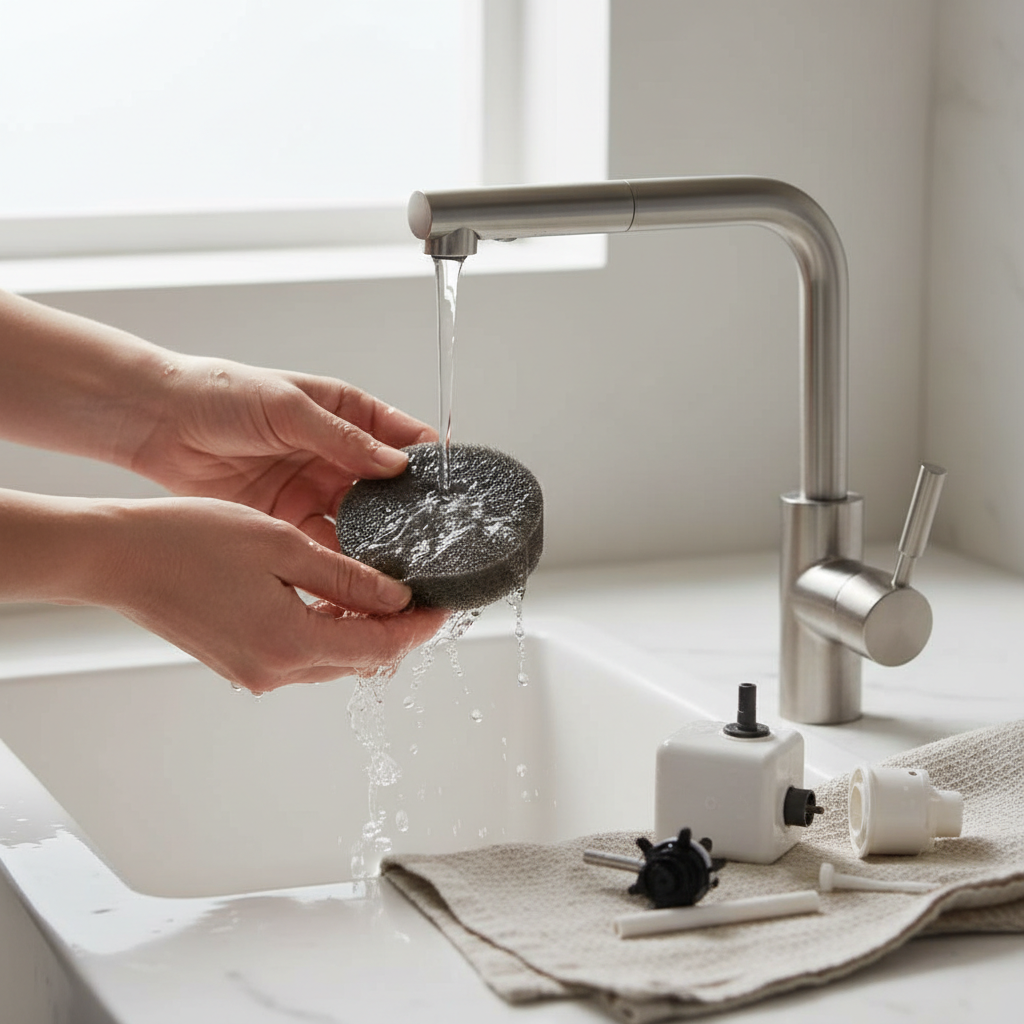
Key point: if you are asking how to clean cat fountain filter because the water still smells “off,” the filter might not be the main issue, biofilm in the pump or spout usually is.
Common mistakes that make filters fail faster
- Using very hot water on plastic cartridges or housings, warping can reduce the seal and cause bypass.
- Scrubbing carbon filters aggressively, you can tear the fabric or loosen seams, and then media leaks out.
- Soaking cartridges in vinegar without checking the instructions, some filter media does not play nicely with acids.
- Letting the fountain run low, pumps pull in air and debris, and performance drops.
- Skipping the pump, a clean filter cannot compensate for a slimy impeller chamber.
If you want one habit that pays off, top off water daily or every other day, that single routine often reduces buildup more than people expect.
Extra practical tips for less gunk (especially with hard water)
These are not mandatory, but they make the cleaning cycle less annoying.
- Pre-rinse new filters to reduce carbon dust and “new filter” smell.
- Use filtered water if you see white scale often, many households notice less mineral crust and fewer clogs.
- Place the fountain away from litter boxes, fine dust travels and ends up in the water path.
- Keep a spare set of filters, swapping first, then cleaning at your pace feels easier than rush-cleaning.
- Choose stainless steel when possible, many owners find it shows less odor retention than some plastics, though results vary by brand.
When you should consider professional help (or a vet check)
If your cat drinks far less, urinates less, seems lethargic, or you notice vomiting, cleaning the fountain is not the full picture and it may be worth contacting a veterinarian. Also, if you see persistent pink or orange slime, strong foul odor that returns quickly, or you are dealing with a household member who has a weakened immune system, you may want a more conservative cleaning routine and advice from a professional.
Conclusion: keep it simple, keep it consistent
Knowing how to clean cat fountain filter is mostly about matching the method to the filter type, rinsing gently, and not ignoring the pump. If you pick a schedule you can actually keep, the fountain stays quiet, the flow stays steady, and your cat usually trusts the water again.
If you do one thing today, rinse the foam pre-filter and clean the pump intake, then set a calendar reminder for the next filter change so you are not guessing.