
Senior dog bed warm searches usually come from one worry: your older dog looks stiff, sleeps lightly, or seems uncomfortable when the house cools down. A bed won’t “treat” arthritis, but the right warmth plus orthopedic support often makes resting easier, which can mean better mobility when they stand up.
What gets people stuck is that “warm” and “orthopedic” can pull in different directions. Thick foam can trap heat but feel too firm, fluffy beds feel cozy but don’t support hips, and heated options raise safety questions. This guide breaks down what matters, how to shop without overpaying, and how to set up the bed so your dog actually uses it.
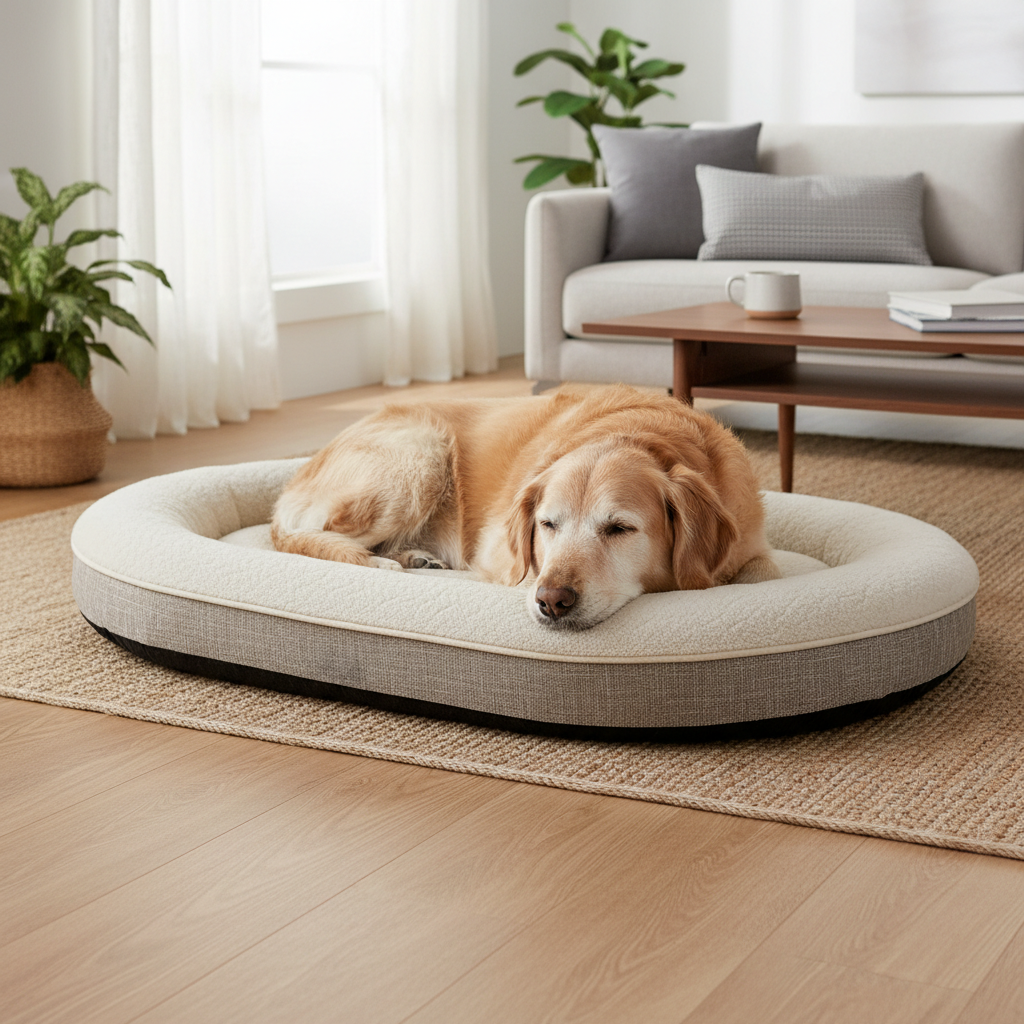
If you want one quick takeaway before details: prioritize supportive foam + a warm top layer + easy entry, then add controlled heat only if your dog truly needs it and your vet says it’s appropriate.
Why older dogs get colder and sleep “worse”
Many senior dogs lose muscle mass and body fat over time, and that can make temperature swings feel sharper. Add joint changes, and suddenly a chilly floor becomes a real problem, not just a preference.
Common real-world triggers include:
- Drafty spots near doors, windows, or vents, even if the room feels fine to you.
- Hard surfaces that push pressure into hips, elbows, and shoulders.
- Thinner coats or less grooming tolerance, so they shed warmth faster.
- Less movement at night, which often means they don’t “warm up” again after repositioning.
According to the American Veterinary Medical Association (AVMA), older pets often need adjustments at home for comfort and mobility, and bedding is one of the simplest places to start.
What “warm” really means in a senior dog bed
Warmth can come from insulation, surface feel, or active heat. You don’t always need the most intense option; many homes do well with a bed that holds warmth rather than generating it.
Three ways beds provide warmth
- Insulating materials: sherpa, fleece, microfiber plush, quilted covers that reduce heat loss.
- Reflective layers: some pads reflect body heat back (similar idea to emergency blankets, but softer).
- Heated beds/pads: electric or self-warming inserts; useful for very cold homes or dogs that chill easily.
If your senior dog bed warm goal is simply “stop shivering and settle faster,” insulation plus a draft-free location often does the job. If your dog still curls tight, pants, or changes spots constantly, you may need to rethink the setup.
Orthopedic support: foam types and what to look for
“Orthopedic” gets used loosely in pet bedding. In practice, you’re looking for a base that keeps the spine aligned and spreads pressure, especially under bony points.
Foam options (and who they suit)
- Memory foam: contours to joints, helpful for pressure relief, can sleep warmer; quality varies a lot.
- High-density support foam: more “push back,” often better for heavier dogs or dogs that dislike sinking.
- Hybrid (layered): firm base + softer top, often the sweet spot for seniors who need both support and comfort.
A practical check: if your dog’s hips “bottom out” and you can feel the floor easily when pressing the bed, support likely isn’t enough. For many households, a 3–5 inch foam thickness works well, though big breeds may need more.
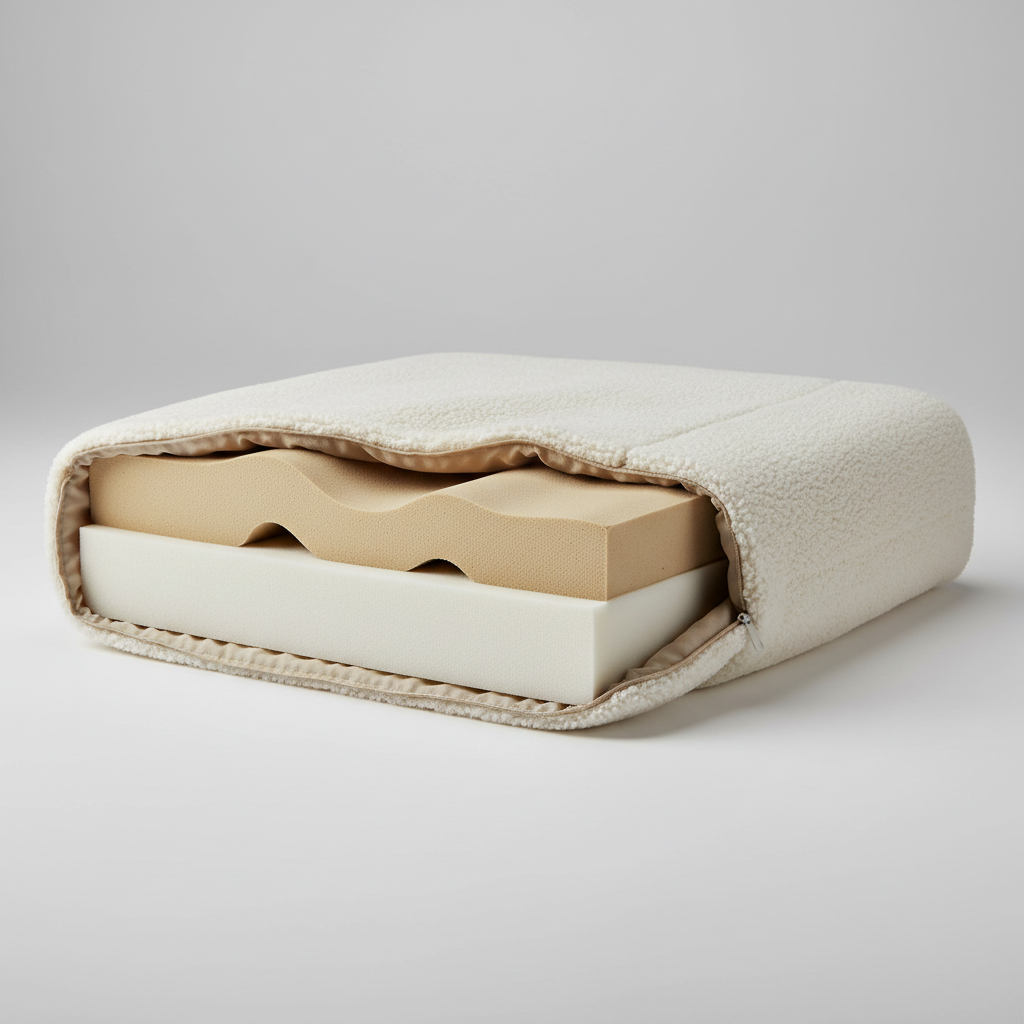
Warmth matters here too: memory foam can feel cozy, but some dogs get too warm or dislike the “stuck” feeling. If your dog struggles to reposition, consider a slightly firmer top layer.
Quick self-check: does your dog need more warmth, more support, or both?
Before buying anything, watch two moments: how your dog lies down, and how they get up. Those movements tell you where the bed is failing.
- Likely needs more warmth: seeks blankets, shivers, moves to sunny patches, curls tightly even indoors.
- Likely needs more support: hesitates to lie down, gets up stiff, avoids hard floors, licks joints after resting.
- Likely needs both: restless sleep plus morning stiffness, frequent position changes, avoids the bed at night but naps elsewhere during day.
According to the American Animal Hospital Association (AAHA), changes in mobility and comfort are common in senior pets, and owners should monitor behavior shifts and discuss them with a veterinarian, especially when pain is suspected.
Choosing the right bed: size, shape, and entry height
Even the best senior dog bed warm setup fails if the bed is annoying to enter or the fit feels cramped. Seniors often choose the “easier” spot, not the “better” one.
Size: measure for real sleeping positions
- If your dog sprawls, measure nose-to-tail and add 6–12 inches.
- If your dog curls, measure curled diameter and add a bit for turning.
- If your dog shares space (people, pets), size up; crowding causes restless repositioning.
Shape: match habits, not aesthetics
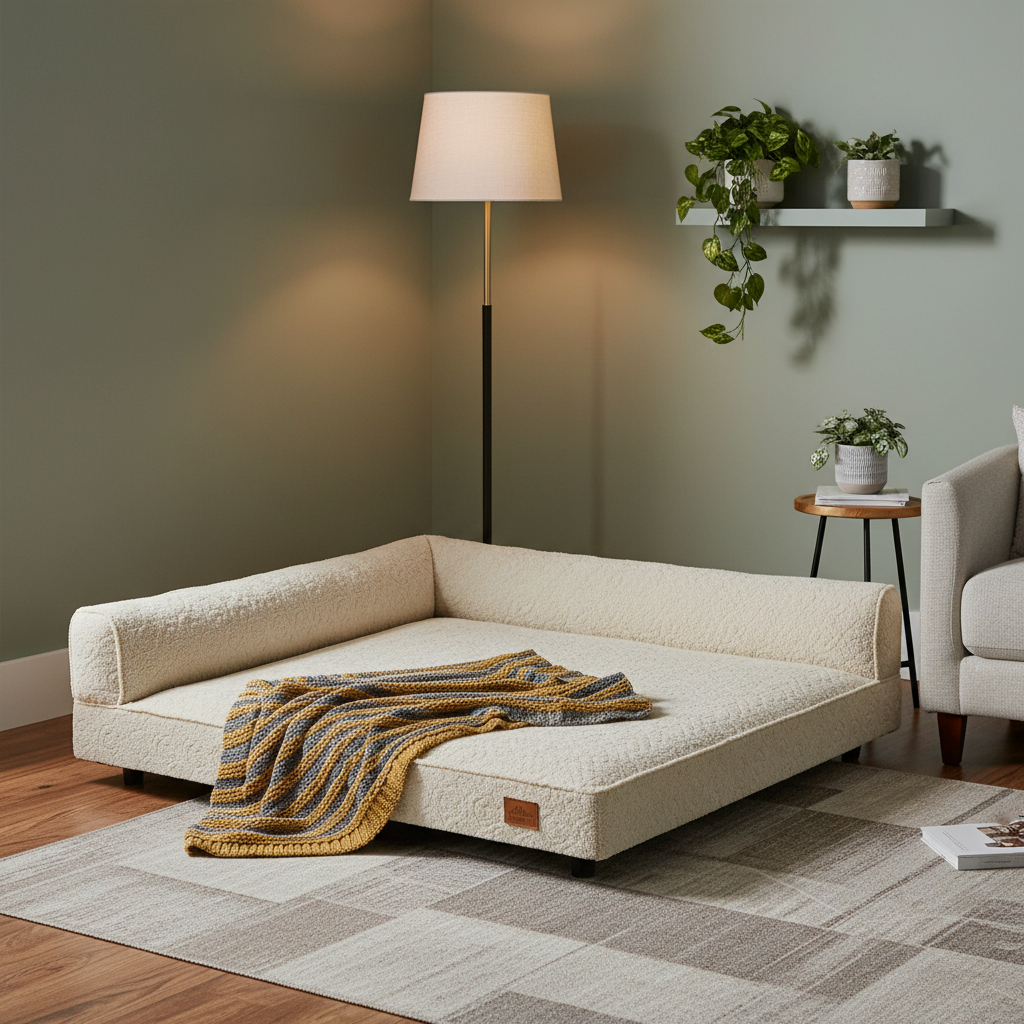
- Flat mattress: easiest access, best for dogs with reduced mobility.
- Bolster bed: good for head/neck support, but pick low bolsters so entry stays easy.
- Donut/nest: cozy for curlers, but some seniors struggle with tall sides.
Entry height: underrated for older joints
A bed that’s too tall can be a daily hurdle, while one that’s too thin can lack support. Many older dogs do better with a low-profile edge plus a supportive core. If your dog trips or drags toes, keep the “step up” minimal.
Warmth and safety: when (and how) to use heated options
Heated beds can be helpful, but they’re not automatic upgrades. Some dogs overheat, some chew cords, and some have medical issues where heat is a bad idea.
Consider heat if your home runs cold, your dog is noticeably uncomfortable at night, and your vet agrees it’s appropriate. According to the U.S. Food and Drug Administration (FDA), heating products can pose burn risks if misused, so it’s worth being cautious with any device that produces heat.
Safer ways to add warmth
- Start passive: plush cover, draft-free location, and a washable blanket layer.
- Use low-watt, pet-designed heat: avoid human heating pads unless a vet specifically guides you.
- Put heat under a layer: never direct-contact high heat against skin, especially for dogs with thin fur.
- Give an “off” zone: bed area where your dog can move away from heat.
If your goal is a senior dog bed warm and supportive setup, you often get most of the benefit from insulation plus good foam, with no plug involved.
Also watch “hidden risks”: older dogs may have reduced sensation or mobility, so they might not move away quickly if something feels too hot. If your dog has diabetes, neurologic issues, skin problems, or poor circulation, ask a professional before using heat.
Practical setup steps that make the bed work
Buying the bed is only half of it. Placement and routine decide whether your dog adopts it.
- Pick the right location: quiet, low-traffic, no vent blowing directly, and not on cold tile if possible.
- Add grip: place the bed on a rug or non-slip mat so it doesn’t slide when your dog steps in.
- Keep covers clean: odors can cause avoidance; choose a removable, washable cover.
- Make it “the easy choice”: place it near where your dog already rests, then gradually move it if needed.
If your dog ignores a new mattress-style bed, try adding a familiar blanket for a week. Many seniors accept change slowly, and forcing it usually backfires.
Comparison table: matching bed features to common senior needs
Use this as a quick filter when shopping. It’s not one-size-fits-all, but it prevents the most common mismatches.
| Senior need | What to prioritize | What to avoid |
|---|---|---|
| Cold at night | Fleece/sherpa top, draft-free placement, thicker foam | Thin pads on tile, beds that flatten quickly |
| Arthritis or stiffness | High-density or layered foam, low entry edge | Overstuffed “pillow” beds with no structure |
| Accidents/incontinence | Water-resistant liner, fully removable cover | Non-washable covers, deep tufting that traps moisture |
| Anxiety/restless sleep | Bolster for head support, stable base, consistent location | Slippery bottoms, very high sides that feel confining |
| Large breed pressure points | Thicker foam, larger size, durable cover seams | Low-density foam marketed as “orthopedic” |
Common mistakes that waste money (and how to avoid them)
A few patterns show up again and again, especially with “warm orthopedic” marketing.
- Buying fluffy instead of supportive: plush looks cozy but may compress flat fast, leaving joints on the floor.
- Ignoring cover fabric: some “soft” fabrics snag, run hot, or hold odors; a washable cover matters more than it sounds.
- Choosing the wrong firmness: too soft makes it hard to stand, too firm can feel uncomfortable on pressure points.
- Placing the bed in a draft: then assuming the bed “isn’t warm enough,” when the room setup is the real issue.
Key points to remember:
- A senior dog bed warm enough for comfort usually starts with insulation and placement, not necessarily a heater.
- True orthopedic value comes from foam quality and thickness, not the label.
- Low, easy entry often matters as much as softness.
When to ask a vet or rehab professional for help
If bedding changes don’t help, the problem may be more than comfort. Talk with a veterinarian (or a certified canine rehab therapist, if your clinic can refer you) if you notice persistent limping, sudden behavior changes, yelping when lying down, or a steep drop in activity.
Also ask for guidance if you’re considering heat for a dog with chronic conditions, since what feels soothing can be risky in certain medical situations.
Conclusion: a warmer bed is helpful, but the “support” part does the heavy lifting
The simplest path is usually this: pick a supportive foam base that fits your dog’s sleep style, add a warm washable cover, then fix drafts and slippery floors around the bed. If you still see cold-related restlessness, explore pet-safe heat carefully and with professional input when health issues are in the picture.
If you want to act today, do two things: measure your dog in their favorite sleeping position, and move the current bed to a warmer, quieter spot for three nights, that small change often reveals what to upgrade next.
FAQ
What makes a senior dog bed warm without using electricity?
Look for insulating fabrics like sherpa or fleece, a thicker foam core, and a cover that fits snugly so cold air doesn’t flow through. Placement away from drafts often adds more warmth than people expect.
Is memory foam always best for older dogs?
Not always. Memory foam can relieve pressure, but some seniors dislike sinking in, especially if they already struggle to stand up. Layered foam or a slightly firmer top can be a better match for certain dogs.
How thick should an orthopedic bed be for a large senior dog?
Many large breeds do better with thicker foam because their weight compresses bedding quickly. If you can press down and feel the floor easily, thickness or density is probably too low for that dog.
Can heated dog beds help arthritis pain?
Warmth may help some dogs feel looser, but it’s not a substitute for a pain-management plan. If you suspect arthritis, it’s worth discussing safe heat use and overall care with a veterinarian.
My dog sleeps on the couch instead of the new bed—what should I do?
Try placing the new bed next to the couch first, then add a familiar blanket. Seniors can be routine-driven; making the bed feel familiar and “easy to choose” works better than repeatedly moving the dog onto it.
Are bolster beds good for senior dogs?
They can be, especially for dogs that like head and neck support. The key is keeping bolsters low enough that entry stays easy, and making sure the center has real foam support, not just stuffing.
What’s the best way to keep the bed clean for an incontinent senior?
A washable cover plus a water-resistant liner usually makes cleanup manageable. If accidents are frequent, rotating two covers helps, and it’s also a good idea to ask your vet about underlying causes.
If you’re trying to choose a senior dog bed warm enough for winter nights but still supportive for aging joints, it can help to narrow options based on your dog’s stiffness, sleep style, and how your home holds heat, a short checklist and a couple measurements usually beat scrolling endless product pages.