
Cat litter deodorizing beads long lasting products can be a practical way to tame litter box smells without changing your whole setup, especially when odor shows up fast in small apartments, multi-cat homes, or humid climates.
The catch is that “long lasting” means different things depending on litter type, box style, airflow, scooping habits, and even your cat’s urine concentration, so it helps to know what actually makes beads work and when they quietly stop working.
This guide breaks down why odor happens, how deodorizing beads interact with different litters, what to look for on labels, and a simple routine you can follow so you’re not just masking smells for a day or two.
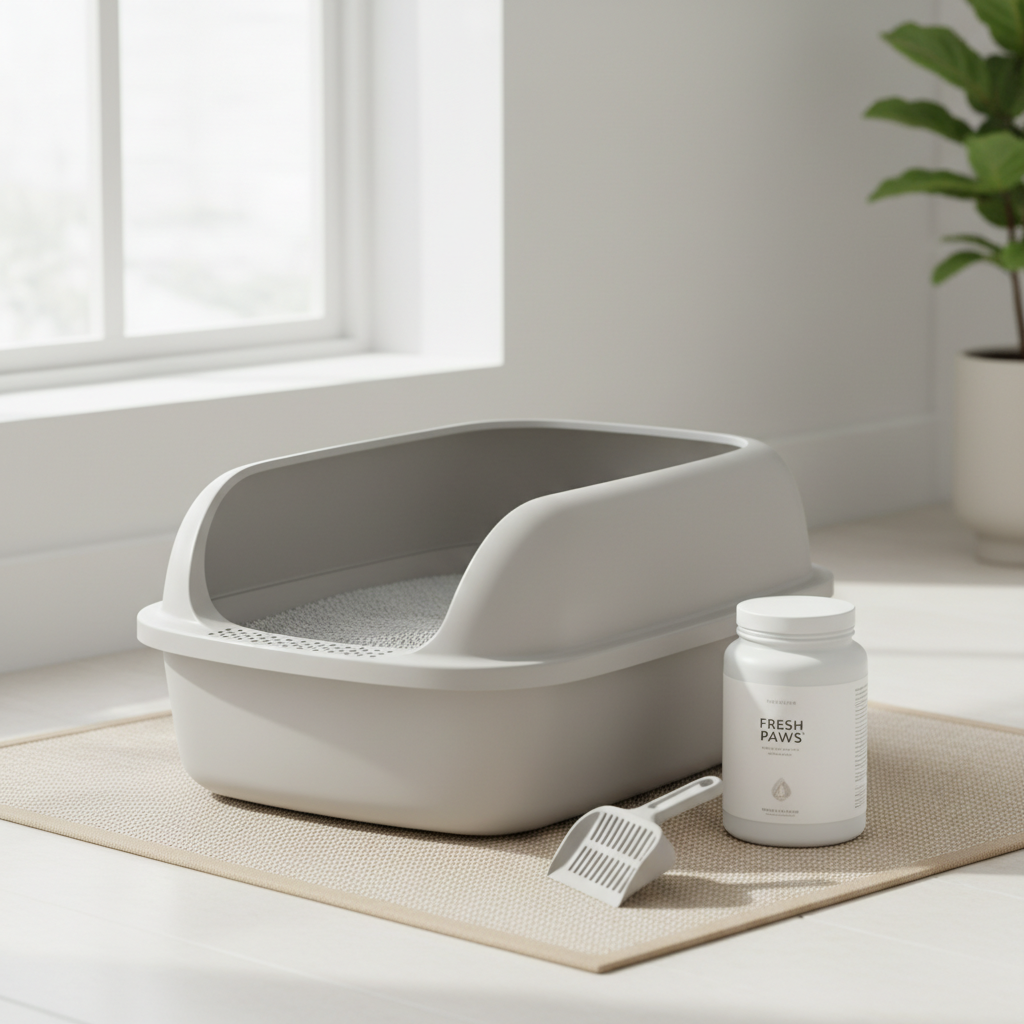
Why litter box odor returns so quickly (even after you scoop)
Most litter box odor is not one smell, it’s a mix. Fresh urine can be sharp, older urine breaks down and releases ammonia-like notes, and feces adds its own sulfur compounds. If your box smells “fine” right after scooping but turns bad within hours, the issue is usually what’s happening inside the litter bed.
- Moisture retention: wet clumps that sit too long keep feeding odor, especially around the edges and corners.
- Low litter depth: urine reaches the bottom, sticks to the pan, then “re-blooms” smell when humidity rises.
- Dirty box walls and seams: urine splash and micro-residue build up where you don’t notice.
- Covered boxes with poor airflow: they trap odor, then release it in a big wave when opened.
- Diet, hydration, and health factors: concentrated urine smells stronger; persistent changes may warrant a vet conversation.
According to the American Veterinary Medical Association (AVMA), strong-smelling urine or changes in elimination habits can sometimes be linked to health issues, so if odor intensity shifts suddenly along with behavior changes, it’s worth checking in with a veterinarian.
How deodorizing beads work (and what “long lasting” usually depends on)
Deodorizing beads generally help in two ways: they adsorb odor molecules (bind them to a porous surface) and/or they neutralize odor chemically. Some versions add fragrance, which can make a box smell “clean” while underlying odor still grows.
“Long lasting” performance usually depends on a few real-world variables:
- Bead chemistry: zeolite, activated carbon, baking soda blends, or proprietary odor neutralizers can behave differently in humidity.
- How evenly they’re distributed: beads piled in one spot help less than a light, consistent layer.
- Contact time: if clumps get removed quickly, beads mainly handle background odor rather than big bursts.
- Your litter type: some litters already include odor-control additives, while others need more help.
If you’re shopping specifically for cat litter deodorizing beads long lasting, focus less on marketing timeframes and more on whether the beads are designed for your litter style and your home’s odor “load.”
Quick self-check: are beads the right fix for your odor problem?
Beads are great for certain situations, and kind of pointless for others. Use this checklist to decide before you buy another tub.
Beads tend to help most when…
- You scoop at least once daily but still notice lingering smell near the box
- Your home is humid or the box sits in a low-airflow area (bathroom, closet nook)
- You have one to two cats and the box is appropriately sized
- Odor is mostly “urine background,” not ongoing feces smell
Beads may not be the main solution when…
- You’re skipping scooping for days (no additive can outwork that)
- The litter box is too small or litter depth stays under about 2–3 inches
- Urine is reaching the pan bottom regularly and soaking seams
- Your cat dislikes scented products and avoids the box
When beads “don’t work,” it’s often a setup issue, not the beads themselves.
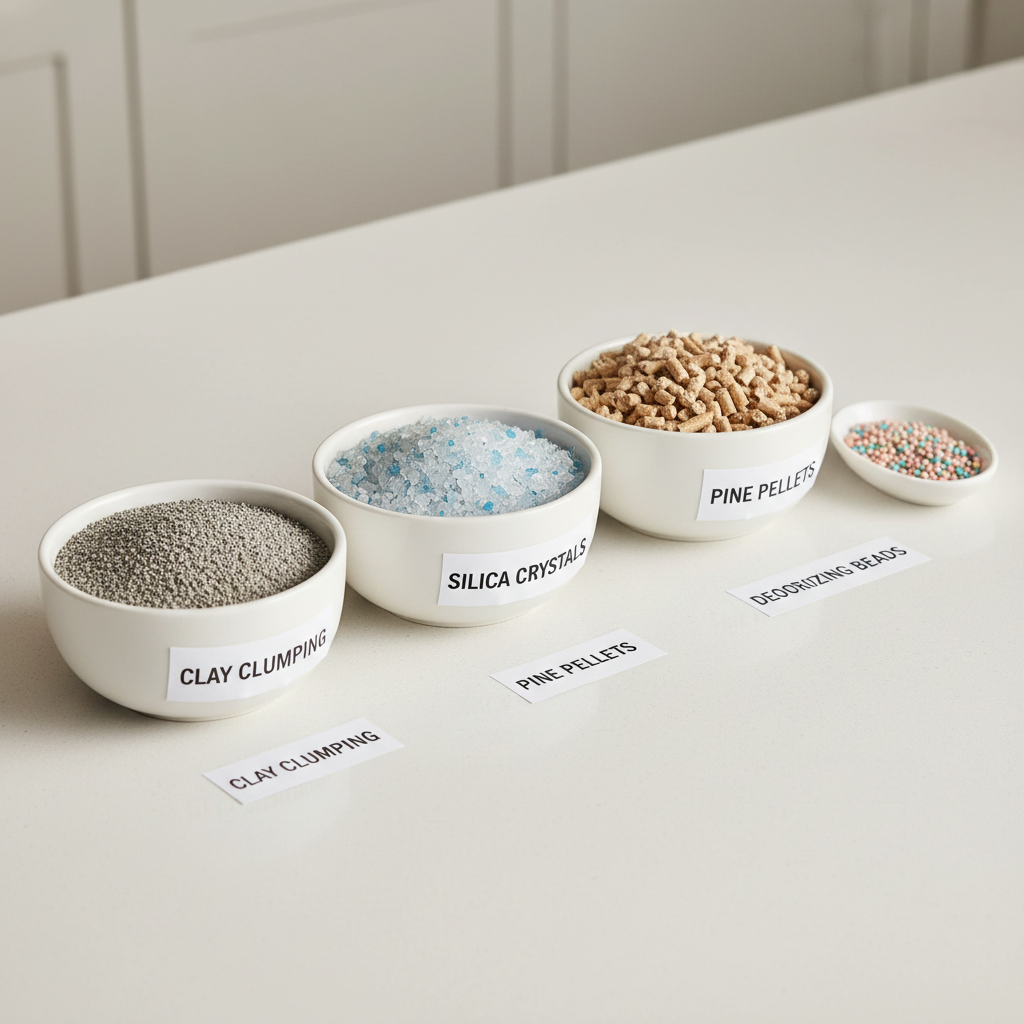
Choosing long-lasting deodorizing beads: what to look for on the label
Labels can be vague, so it helps to read them like an operator, not a shopper. You want a product that fits your household and doesn’t create new problems like litter avoidance.
- Low-dust formula: dust can irritate some cats and people; it also spreads odor residue around the room.
- Fragrance level: “fresh scent” sounds nice, but many cats prefer unscented. If your cat has ever protested a new litter, start unscented.
- Compatible with your litter: clumping clay, crystals, and plant-based litters behave differently; beads that dissolve quickly in moisture may not last in high-urine boxes.
- Clear dosing guidance: if directions are “sprinkle as needed,” you’ll likely overuse it and waste product.
- Pet-safety guidance: look for clear instructions about ingestion risk and storage. If a cat tends to eat non-food items, ask a veterinarian before introducing any additive.
According to the ASPCA, some household odor-control products can be problematic around pets depending on ingredients and exposure, so sticking with pet-intended products and following directions matters more than people think.
How long do deodorizing beads last? A realistic comparison table
There’s no universal number, but you can estimate “effective life” based on household load and maintenance. Here’s a practical way to think about it.
| Household scenario | What you’ll usually notice | Bead refresh rhythm (typical) | What improves longevity |
|---|---|---|---|
| 1 cat, scooped daily, open box | Light background odor | Small top-up every few days | 3–4 inch litter depth, weekly wipe of walls |
| 2 cats, scooped daily, covered box | Odor “wave” when opening lid | Top-up 2–3x per week | Add ventilation, clean lid/hinges, swap filters if used |
| Multi-cat, high traffic, small room | Odor builds by end of day | Light refresh daily | More boxes, stronger litter, deeper full change cadence |
| Humid climate or laundry room placement | Odor returns faster after cleaning | More frequent refresh | Dehumidifier/airflow, sealable waste disposal |
If your goal is cat litter deodorizing beads long lasting performance, the main lever is not adding more beads, it’s keeping moisture and residue from accumulating where beads can’t reach.
Step-by-step: how to use deodorizing beads so they actually last
Most people sprinkle beads once, smell improvement, then assume the product “stopped working.” In reality, it got buried, saturated, or outpaced. This routine keeps it effective without turning the box into a perfume cloud.
Daily (2 minutes)
- Scoop clumps and stool, remove small fragments that break off
- Stir the top layer lightly so beads redistribute instead of sitting in one patch
- Add a small pinch of beads only where urine tends to land (often one corner)
Weekly (10 minutes)
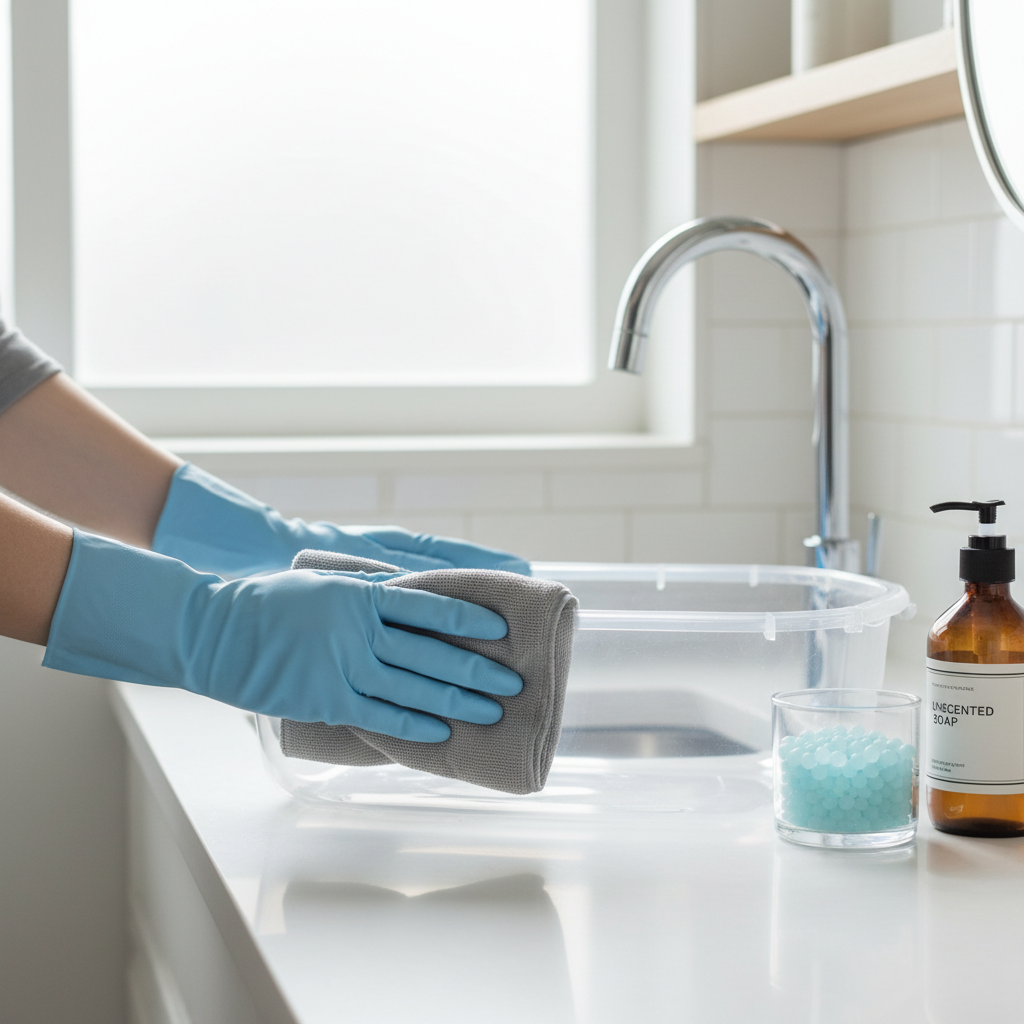
- Wipe box walls and rim with a pet-safe cleaner or mild soap and water, dry well
- Check litter depth, top up to a level that prevents “pan hits”
- If you use a covered box, clean the lid underside where odor clings
Full refresh cadence
- When odor lingers even after scooping and stirring, it’s usually time to dump and wash, not to keep adding beads
- Replace litter based on smell and clump integrity, not the calendar alone
One small habit that helps: keep the bead container next to the scoop, you’ll use less and apply it more consistently.
Common mistakes that shorten bead life (and annoy cats)
Odor control is one of those areas where human preferences and cat preferences can clash. A box that smells “fresh” to you can smell overwhelming to your cat.
- Over-scenting the box: heavy fragrance may trigger avoidance in some cats, especially sensitive or older cats.
- Pouring beads in a thick layer: it wastes product and can change litter texture, which some cats dislike.
- Using beads to avoid box washing: residue on plastic is a major odor source; beads can’t fix it indefinitely.
- Mixing multiple additives: combining deodorizer powders, beads, and scented litter can create strong odors and extra dust.
- Ignoring airflow: a sealed closet plus a covered box is basically an odor incubator.
If your cat starts perching on the edge, hesitating, or eliminating nearby, stop adding new scents and reset to a simpler setup, then talk with a veterinarian if the behavior persists.
When to ask for professional help (vet or behavior support)
Smell is one clue, but the bigger concern is a sudden change. If urine odor becomes unusually strong, your cat urinates more often, strains, cries, or stops using the box, it may indicate a health issue that needs prompt attention.
- Blood-tinged urine, repeated trips to the box, or straining can be urgent, contact a veterinarian quickly
- Ongoing litter box avoidance can be medical, stress-related, or setup-related, a vet and qualified cat behavior professional can help sort it out
According to the American Association of Feline Practitioners (AAFP), litter box problems often have medical and environmental components, so treating it like “just odor” can miss the real driver.
Key takeaways and a simple next step
If you want cat litter deodorizing beads long lasting results, think of beads as a support tool, not the main system. They perform best when scooping is consistent, litter stays deep enough, and the box itself stays clean.
- Do this today: scoop thoroughly, stir the top layer, then add a light, targeted sprinkle where urine lands.
- Do this this week: wash the box and lid, then reset your routine so beads don’t have to carry the whole load.
If you keep chasing odor with more product, step back and fix airflow, litter depth, and box hygiene first, the beads will suddenly feel “long lasting” again.
FAQ
Do deodorizing beads work with clumping clay litter?
Usually yes, especially for background urine odor between scoops. They won’t replace clump removal, and they work better when you lightly mix the surface so beads don’t get trapped in one spot.
Are unscented deodorizing beads better for picky cats?
In many homes, yes. Cats can be sensitive to fragrance, so unscented options reduce the chance of litter box avoidance when you introduce an additive.
Why do my beads seem to stop working after a few days?
Most often they’re getting buried or saturated, or odor is coming from the box walls and seams. A quick wash and a lighter, more frequent top-up tends to outperform dumping in a large amount once.
Can I use deodorizing beads with crystal litter?
Sometimes, but it depends on the product. Crystal litter already targets moisture and odor differently, so adding beads may offer only a small boost. Watch for texture changes your cat might dislike.
How much deodorizing beads should I add?
Follow the label, but a good rule is “less than you think,” then adjust. If you can see a thick layer of beads, you’re probably overdoing it and risking scent overload or texture issues.
Is it safe if my cat licks or eats a bead?
It depends on the ingredients and amount. Many pet products are designed to be low-risk, but ingestion is never ideal, store containers securely and contact a veterinarian if you suspect your cat swallowed a meaningful amount.
Do I still need to fully replace litter if I use beads?
Yes. Beads can extend freshness, but they can’t remove residue that builds in litter and on plastic. If the box smells after scooping, a full dump and wash is often the most efficient fix.
If you’re trying to keep odor down without switching litter brands again, a small, consistent routine plus the right bead style is usually the lowest-friction path, and if you want, share your litter type and number of cats and I can suggest a setup that fits your situation.