
Best pet heating pads for winter come down to three things most people miss at first: safe temperature control, the right size for how your pet actually sleeps, and a setup that doesn’t turn into a chewing or cord hazard.
If you’ve ever bought a “pet heating pad” that felt barely warm, got too hot in one spot, or made you nervous to leave it on, you’re not alone, winter shopping for pet warmth is full of look-alikes with very different safety profiles.
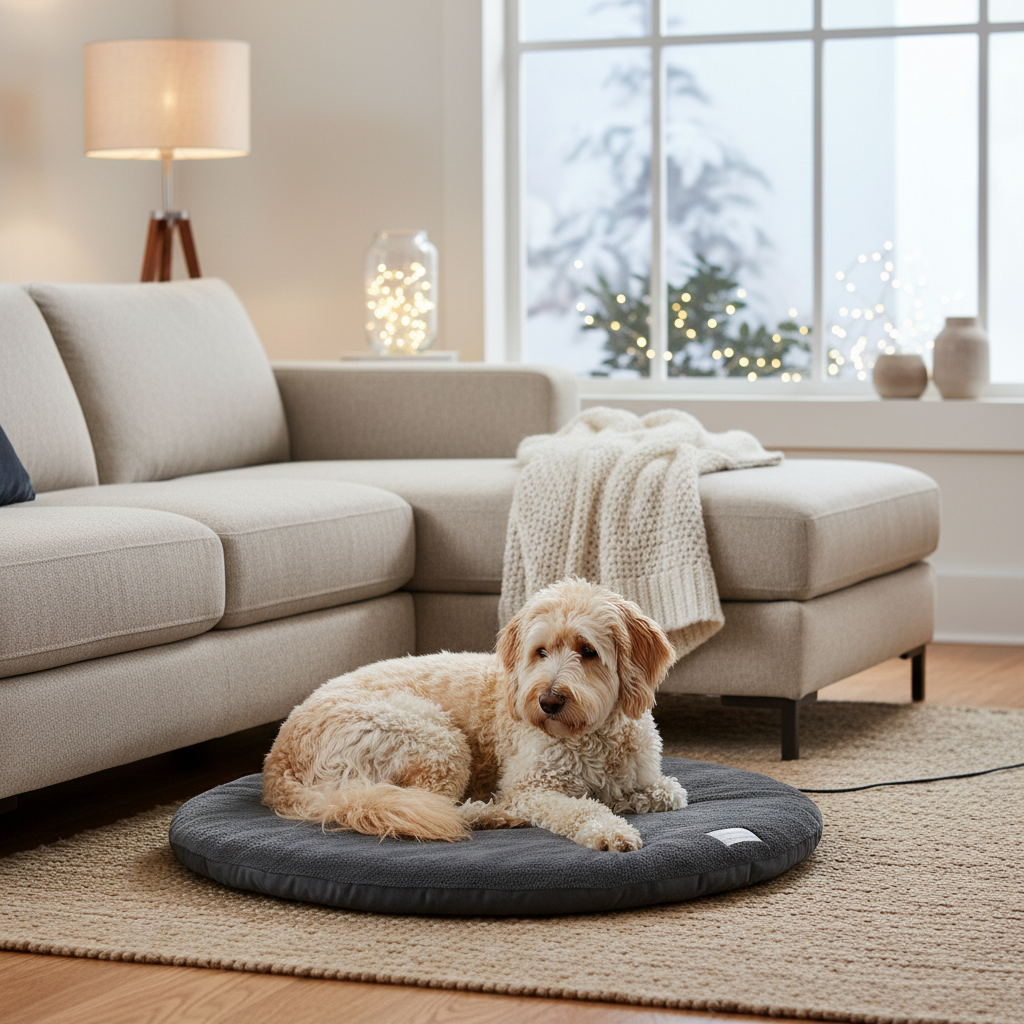
This guide is built for real decisions, not hype: how to pick the right style, what specs matter, what to avoid, and how to use a pad safely for seniors, small dogs, cats, and “always cold” breeds.
What makes a pet heating pad “best” in winter (not just warm)
Warmth is only the baseline, the better question is whether the pad delivers steady, predictable heat without creating new risks or maintenance headaches.
- Stable, low-to-moderate heat: many pets prefer gentle, sustained warmth over “hot” bursts that can cause discomfort.
- Temperature regulation: thermostats or auto-limiting designs reduce the chance of overheating, especially during long naps.
- Chew resistance and cord safety: cords are a top weak point in real homes, particularly with puppies, anxious dogs, and bored cats.
- Water resistance and cleanability: accidents happen, removable covers and wipeable surfaces save your sanity.
- Size and shape match: pets sprawl, curl, or “half-on, half-off,” and that changes what works.
According to the U.S. Food and Drug Administration (FDA), heating pads can cause burns if misused, that warning is aimed at humans, but the safety idea transfers: consistent control and proper use matter more than max temperature.
Quick comparison table: types of heating pads and who they fit
Most shoppers choose between electric pads, self-warming mats, and microwavable inserts, each has tradeoffs that show up fast in winter.
| Type | How it warms | Best for | Watch-outs |
|---|---|---|---|
| Electric pet heating pad | Plug-in, regulated heat | Cold homes, senior pets, long naps | Choose chew-resistant cord, avoid high heat, follow time settings |
| Self-warming mat | Reflects body heat | Light chill, crates, travel, cautious owners | Won’t feel “hot,” may disappoint in very cold rooms |
| Microwavable pad | Heated insert retains warmth | Short supervised sessions, spot-warming | Uneven heating possible, timing varies by microwave |
| Heated bed (pad inside) | Pad + bolsters/insulation | Pets that curl, drafty floors | Harder to wash, check wiring placement |
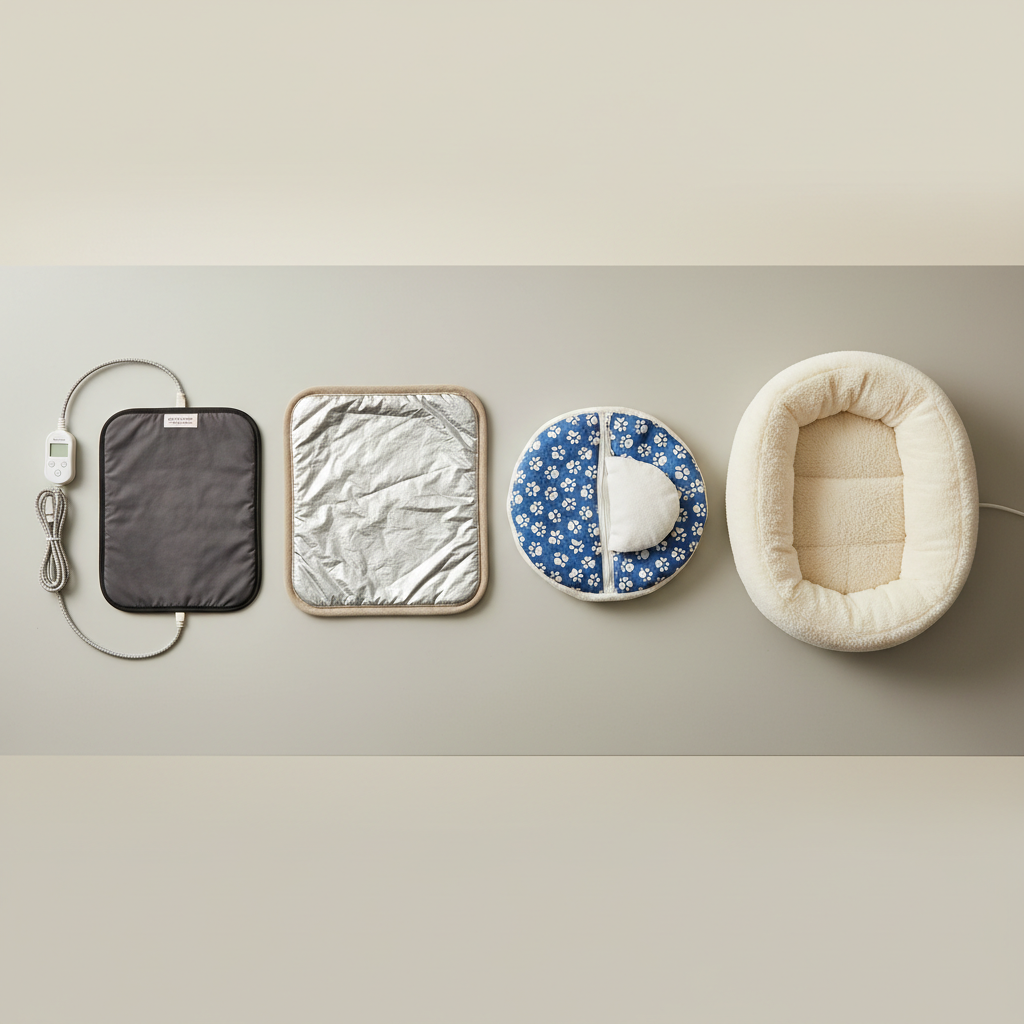
If your home stays cold overnight, electric models usually win on comfort, if your main worry is “I don’t want anything plugged in while I sleep,” self-warming mats are often the most comfortable compromise.
Safety features that matter more than brand names
When people search for the best pet heating pads for winter, they often focus on reviews and forget to read the spec sheet, the spec sheet is where safety lives.
Look for these features
- Built-in thermostat or temperature limiter: helps prevent runaway heat and hot spots.
- Auto shut-off or timer: useful for overnight use if your pet doesn’t self-regulate well.
- Low-voltage design: common in pet-specific heating pads and generally preferred for safety.
- Chew-resistant cord: not chew-proof, but it buys time and reduces risk.
- Water-resistant inner pad plus machine-washable cover: protects the electronics and keeps the surface hygienic.
Red flags that should make you pause
- No mention of a thermostat, temperature range, or safety testing language in the listing
- Exposed wiring near seams, thin covers that bunch up easily
- “Human heating pad” repurposed for pets without guidance on safe use for animals
- Strong odor out of the box that doesn’t fade after airing out
According to the American Veterinary Medical Association (AVMA), pets can be vulnerable to temperature extremes, warming tools can help, but it’s still wise to prioritize supervision and safe setups, especially for older animals or those with medical conditions.
Choose the right size and temperature for your pet (simple rules)
Most disappointment comes from sizing wrong, people buy a pad that fits the listing photo, not the way their own pet sleeps.
- Curlers (many cats, small dogs): a smaller pad inside a bed often feels warmer than a big pad on the floor.
- Sprawlers (labs, shepherds): look for a larger surface so the torso can rest on it, not just paws.
- Arthritic or senior pets: gentle, consistent warmth usually beats higher heat, aim for comfort, not “toasty.”
- Short-haired, thin, or toy breeds: often benefit from insulation around the pad, a pad plus a blanket works better than cranking heat.
Temperature-wise, pet-specific pads often run warmer than “barely lukewarm” but cooler than many human heating pads, that’s intentional, if a product advertises very high heat without tight control, treat it cautiously.
Self-check: do you need a heating pad, or a different fix?
Sometimes the problem isn’t “no heat,” it’s drafts, cold flooring, or a bed that bleeds warmth. Run this quick check before you buy.
- Your pet avoids tile or hardwood and seeks rugs, laundry piles, or sunny spots
- Shivering after coming inside, or staying tucked in a tight curl longer than usual
- Stiffness on cold mornings that eases as the day warms up
- Spending more time pressed against vents or heaters
- Older pets sleeping more and seeming “slower” in winter
If you see sudden weakness, extreme lethargy, or persistent shaking even in a warm room, it may be worth checking with a veterinarian, cold sensitivity can overlap with health issues.
How to set up a pet heating pad safely (step-by-step)
This is the part that keeps “warm and cozy” from turning into “why did I buy this.” A safe setup is mostly about placement and layering.
- Place the pad on a flat, stable surface, ideally inside a bed or crate with good airflow around the unit.
- Add a cover or thin blanket between pet and pad unless the manufacturer says the surface is designed for direct contact.
- Route the cord outside the sleep zone, then anchor it so it can’t be tugged, bent sharply, or chewed.
- Give an “off” area: set the pad so your pet can move away from warmth easily, half-on/half-off is fine.
- Start with short sessions for the first couple days, watch for restlessness, panting, or avoidance.
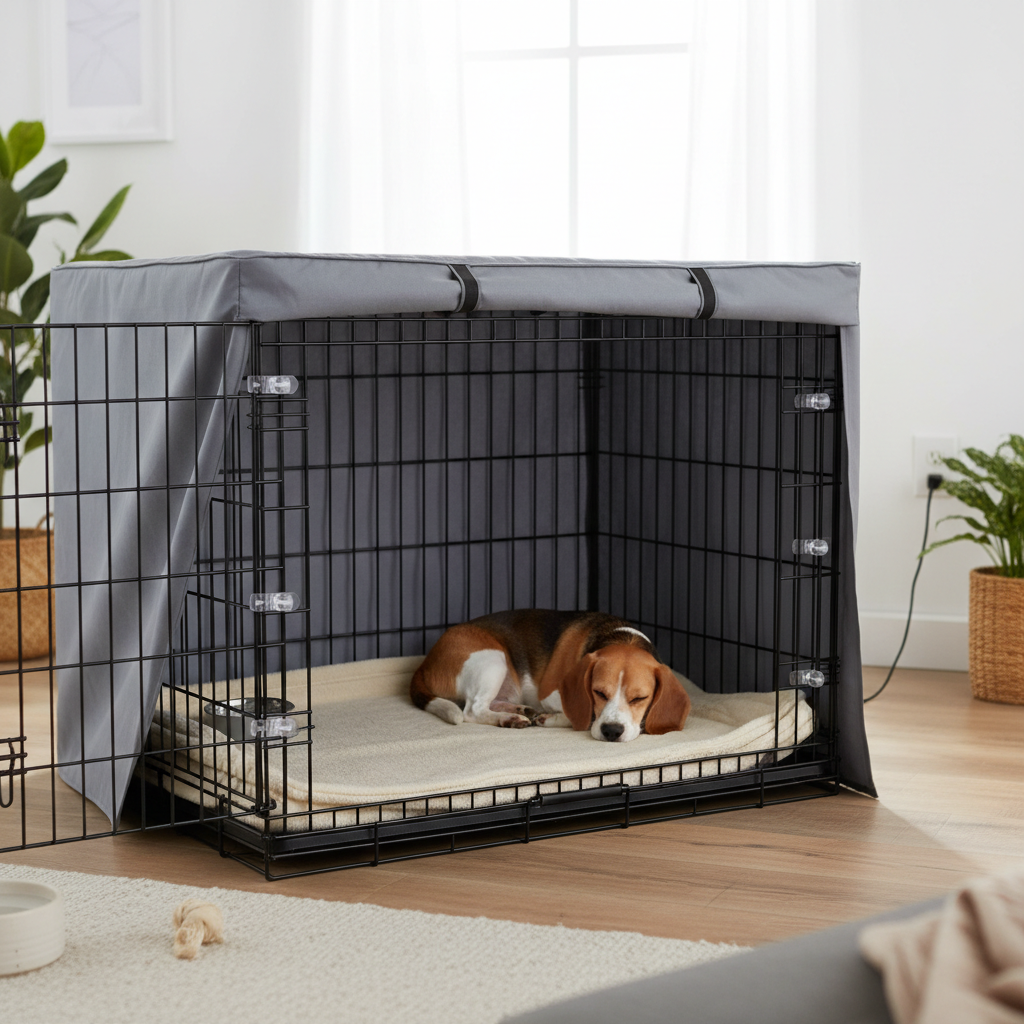
Key point: if you can’t create a chew-safe cord path, it’s usually better to use a self-warming mat or a microwavable option during supervised time.
Common mistakes (and what to do instead)
- Using a human heating pad on “high”: pets may not move away quickly, choose pet-specific products or keep heat low and supervised.
- Putting the pad under thick foam: it can trap heat and reduce temperature control, follow the brand’s layering guidance.
- Assuming “my pet will tell me”: some pets tolerate discomfort quietly, check the belly area and behavior, not just whether they stay on the pad.
- Leaving it on 24/7 without checking wear: covers shift, cords fray, controllers fail, do quick inspections.
- Buying too small to save money: partial contact can warm paws but leave core body cold, sizing up often improves comfort.
Also, don’t forget the boring stuff: keep the pad dry, keep vents clear, and replace covers when they thin out, those small maintenance habits usually matter more than chasing the newest model year.
When to ask a vet or a pro before adding heat
Heating pads are generally straightforward, but some situations deserve a more careful plan.
- Very young, very old, or mobility-limited pets: they may struggle to reposition if they get too warm.
- Diabetes, neurologic issues, or reduced sensation: burn risk may be higher if your pet can’t feel heat normally.
- Post-surgery or inflamed areas: heat can be helpful or harmful depending on timing, ask your veterinarian.
- Anxiety or chewing behavior: a trainer or behavior professional can help reduce cord-focused chewing.
According to the American Animal Hospital Association (AAHA), it’s smart to consult your veterinarian when home-care tools intersect with medical conditions, especially for senior pets.
Conclusion: a warm winter setup that’s actually sustainable
Finding the best pet heating pads for winter is less about chasing one “top-rated” product and more about matching the pad type to your home and your pet’s habits, then setting it up so you trust it day after day.
If you want a simple next step, pick one pad type from the comparison table, then use the safety checklist before you buy, after that, do a two-night trial with short sessions and a clear “off” area, your pet’s behavior will tell you more than any spec sheet.