
pet lint brush reusable washable tools solve a pretty specific annoyance, fur that clings to clothes, couches, car seats, and basically anything that feels “nice” to a pet. If you’re tired of burning through sticky lint roller sheets, a washable brush can be a calmer, less wasteful routine.
The part most people miss is that “reusable” doesn’t automatically mean “works on everything.” Fabric type, fur length, and how the brush is built all change the result, so it’s worth learning what you’re buying and how to use it without smearing hair around.
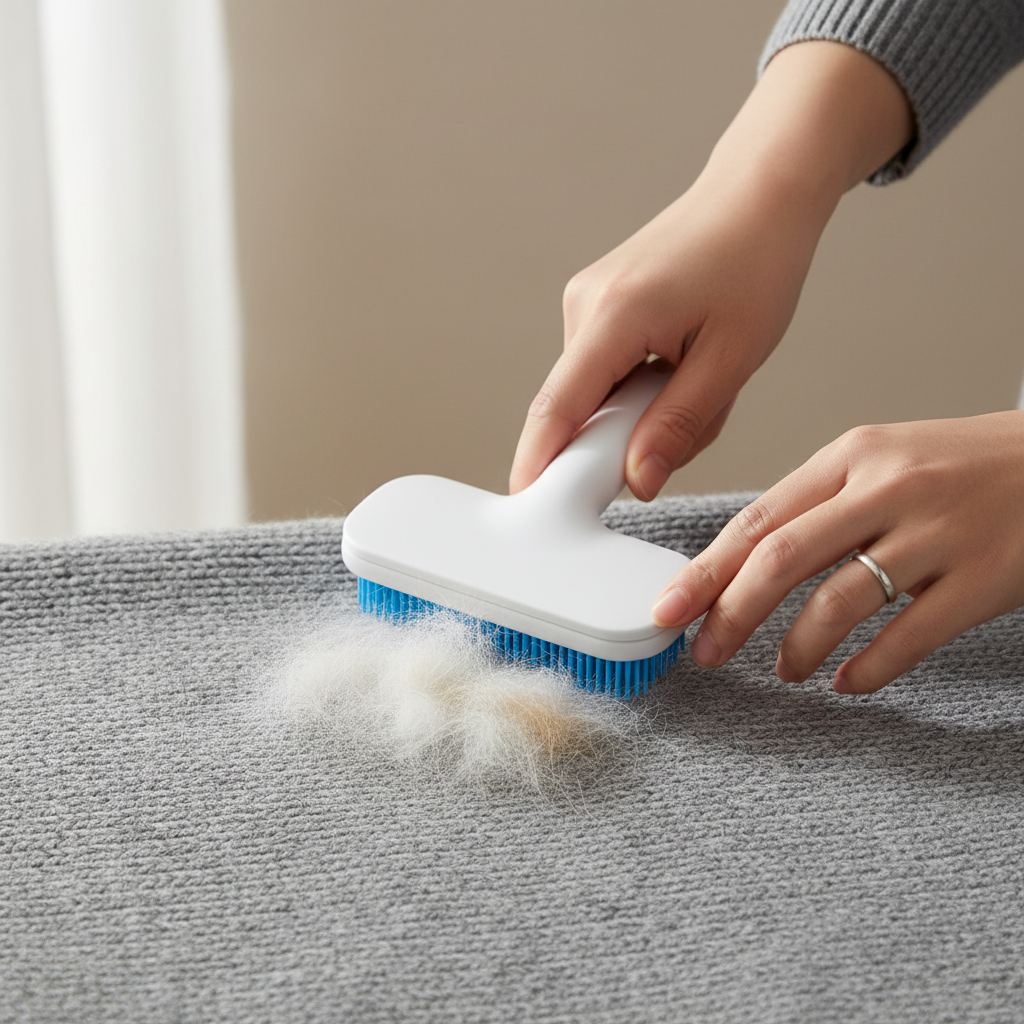
In this guide, you’ll get a practical breakdown of how washable lint brushes work, a quick self-check to pick the right style, and a simple cleaning routine that keeps performance consistent. I’ll also call out common mistakes that make people think the brush “stopped working,” when it’s usually fixable.
Why pet hair sticks (and why some tools fail)
Pet hair behaves differently from ordinary lint. Many fibers have tiny scales or static charge that help them catch and hold fur, especially on knits, fleece, and upholstery. That’s why you can do a quick pass and still see hair “woven” into the surface.
A reusable washable brush typically relies on one of two mechanisms, a directional fabric surface that grabs hair when stroked the right way, or a rubber/silicone texture that creates friction and clumps fur for pickup. Both can work, but they fail in different ways.
- Directional fabric brushes can feel amazing on wool coats and office clothes, but they need the correct stroke direction and periodic cleaning.
- Rubber/silicone brushes often shine on upholstery and car seats, but may drag on delicate fabrics or leave a little static in dry air.
- “Self-cleaning base” designs can be convenient, though they still need occasional wash-out or the chamber clogs.
According to the U.S. Environmental Protection Agency (EPA), reducing waste and reusing products where practical supports broader waste-prevention goals. A washable option aligns with that idea, as long as it actually replaces rolls you’d otherwise buy.
Quick self-check: which reusable washable lint brush fits your life?
Before you buy, it helps to be honest about where the hair problem lives. A brush that’s great for a blazer may feel mediocre on a sofa, and vice versa.
- If you mostly de-fur clothing (workwear, black tees, leggings): look for a directional fabric surface and a comfortable handle for longer strokes.
- If you battle couches, rugs, and pet beds: rubber/silicone textures usually grab embedded hair better.
- If you travel or keep one in the car: compact size matters, and a closed container reduces re-depositing hair.
- If you have long-haired pets: favor wider heads and surfaces that don’t clog easily.
- If you own delicate fabrics (cashmere, fine knits): avoid aggressive teeth or stiff rubber edges, test gently in a hidden area.
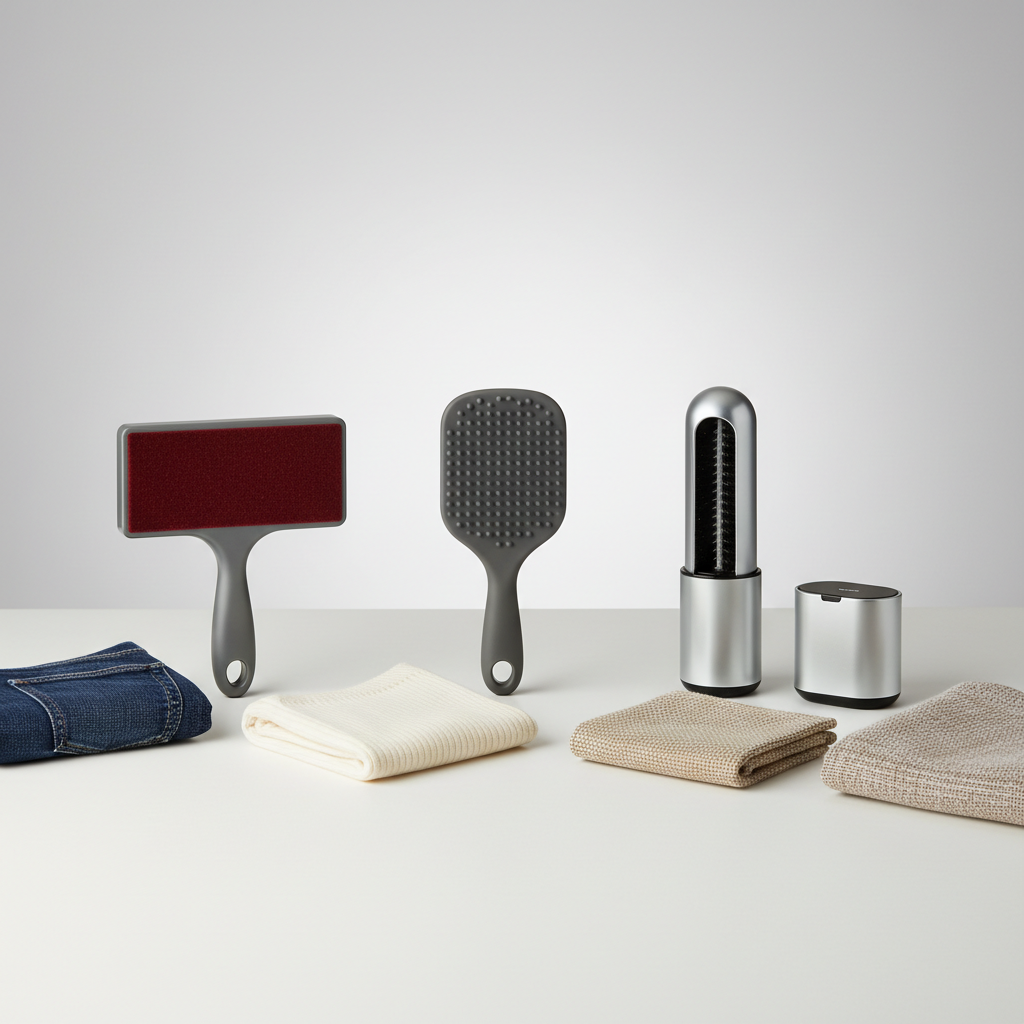
Key point: if you need “one tool for everything,” you may end up mildly disappointed. Many households do best with one clothing-friendly brush and one upholstery-focused tool, even if both are reusable.
How to use a reusable washable lint brush (without making it worse)
The technique matters more than people expect. When someone says a pet lint brush reusable washable brush “just pushes hair around,” it’s often because they’re using the wrong direction or too much pressure.
For clothing
- Lay the garment flat if possible, tension helps the surface release hair.
- Use long, single-direction strokes, don’t scrub back and forth.
- Light pressure first, then increase only if needed.
- Finish with a quick pass in the “lifting” direction, where you see hair collect on the brush.
For upholstery and car interiors
- Work in small sections, especially on textured fabric.
- Try short strokes in one direction, then rotate 90 degrees if hair sits in grooves.
- For stubborn areas, lightly mist with water first, many situations improve when static drops.
If you’re cleaning near zippers, Velcro, or rough seams, slow down. Those spots can nick brush surfaces over time, which reduces pickup and makes the tool feel “worn out” earlier.
Wash and care: keeping performance consistent
“Washable” is the feature that pays for itself, but only if you actually wash it. A dirty brush loses grip and can redeposit hair back onto clothes, which is the exact opposite of what you want.
- After each session: remove the bulk hair by hand or tap into a trash can.
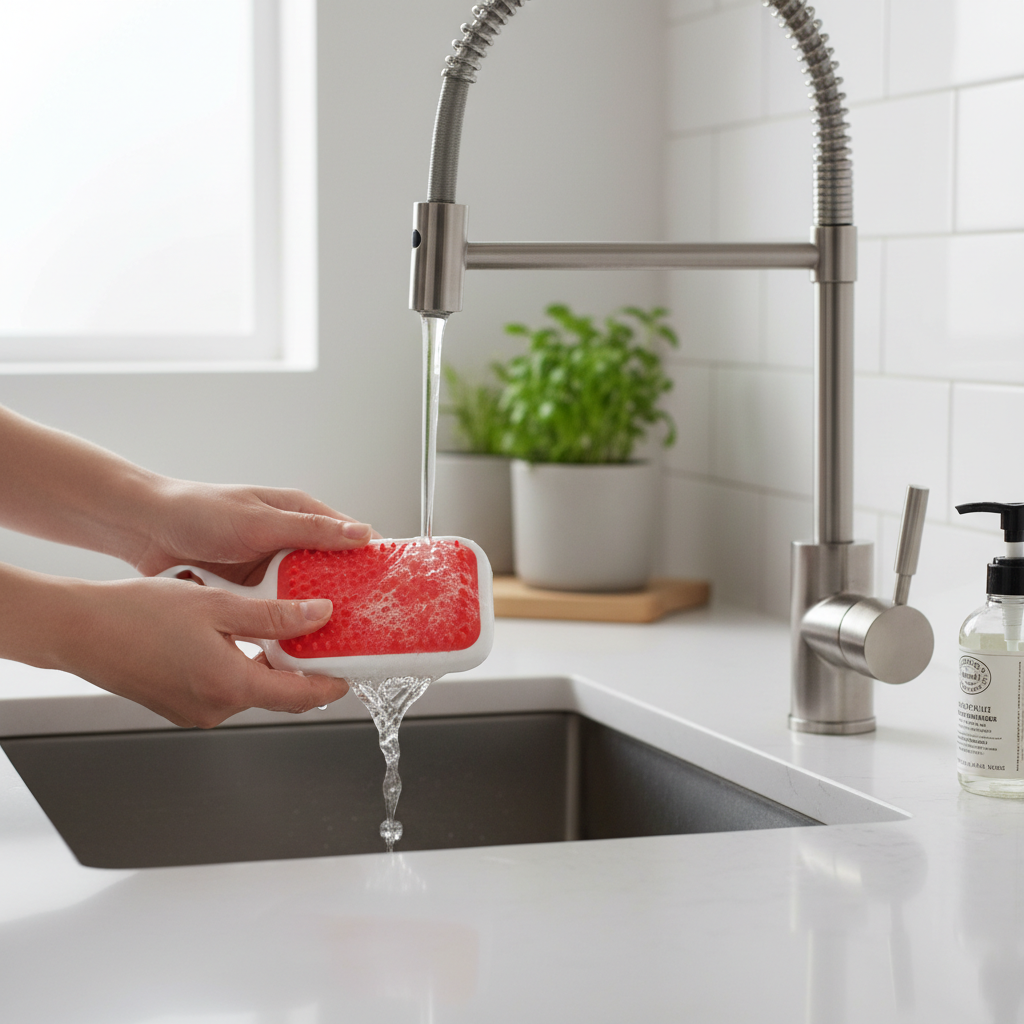
- Weekly or as needed: rinse with warm water, add a small drop of mild dish soap if oils build up.
- Rinse thoroughly: soap film can reduce friction on rubber styles.
- Air dry fully: damp fabric-surface brushes can feel “slick” until dry.
Avoid very hot water if the brush has glued layers or a plastic frame that might warp. If the item includes care instructions, follow those, some materials tolerate heat better than others.
What to look for when buying (a practical table)
Product listings can be vague, so it helps to match features to your actual surfaces. Here’s a quick comparison that reflects what usually matters in real use.
| Feature | Why it matters | Best for | Watch-outs |
|---|---|---|---|
| Directional fabric surface | Grabs hair with stroke direction, smooth on clothing | Suits, sweaters, office wear | Needs correct direction, can clog with lint oils |
| Rubber/silicone texture | High friction lifts embedded hair | Couches, pet beds, car seats | May drag on delicate knits, can increase static in dry air |
| Self-cleaning base/chamber | Easy hair removal without touching as much | Quick daily touch-ups | Chamber can clog, still needs occasional wash |
| Wide head | Covers more area per stroke | Blankets, large cushions | Bulky for travel, less precise around seams |
| Compact travel size | Fits bag or glove box | Commutes, trips, office drawer | More passes needed on big surfaces |
If you’re shopping because you’re trying to cut down on disposable sheets, pay attention to durability cues, tight seams, solid handle connection, and surfaces that look replaceable or easy to rinse clean.
Common mistakes that make a washable lint brush feel “useless”
Most complaints are predictable, and thankfully, most are fixable with a small technique change.
- Scrubbing back and forth, this often pushes hair deeper into knits. Use one direction, then lift.
- Trying to clean everything with one pass, embedded hair usually needs two angles, especially on upholstery.
- Not washing the brush, oils from skin, fabric softener, and pet dander can reduce grip over time.
- Using on wet or steamy fabric, damp fibers can trap hair differently and smear it around.
- Expecting it to replace a deep clean, for heavy shedding seasons, you may still need vacuuming plus the brush.
Also, watch laundry products. Fabric softener and dryer sheets may reduce static, but they can leave residue on some fabrics, which sometimes changes how hair releases. If you notice a sudden change, test a load without softener and see if pickup improves.
When you might need a different tool (or extra help)
A pet lint brush reusable washable brush is great for daily maintenance, but there are times when it’s not the right hammer for the nail.
- Hair deeply embedded in thick upholstery: a pet hair rake or a vacuum with a pet attachment may work better.
- Allergy concerns: consider HEPA filtration in vacuums or air purifiers. According to the American Lung Association, HEPA filtration can help reduce airborne particles in many situations, though outcomes vary by home and habits.
- Delicate or expensive garments: if you’re unsure, test on an inside seam first, or consider professional dry cleaning guidance.
- Skin irritation or respiratory symptoms: if symptoms persist, it’s reasonable to consult a medical professional for personalized advice.
Realistically, most homes settle into a small “fur toolkit,” one washable brush for quick touch-ups, plus a vacuum routine for the bigger stuff.
Practical routine: a 3-minute daily reset
If you want something you can actually stick with, keep it short. This is a simple routine that works for many households.
- Morning or before leaving: 30 seconds on the outfit in long strokes, focus on chest, thighs, and sleeves.
- Evening: 1 minute on the couch seat and armrest where pets sit most.
- Twice a week: quick rinse and dry, then put the brush back where you’ll grab it.
That’s it. Consistency beats marathon cleaning sessions, and this is where reusable tools quietly win.
Conclusion: what to do next
If pet hair drives you nuts, a washable brush is a low-friction upgrade, it’s faster than tape, less wasteful than disposable rollers, and usually easier to keep near the door or in the car. The main trick is choosing the right surface type, then using the correct stroke direction and washing it before it gets slick.
Pick one surface you care about most, clothing or upholstery, buy for that use case, and commit to a simple rinse routine. You’ll know within a week if it fits your household rhythm.
FAQ
Does a reusable washable lint brush work on all fabrics?
Not always. Many work well on knits, cotton, and common blends, but performance can drop on very textured weaves or delicate fabrics. If you’re unsure, test gently on an inside area first.
How often should I wash a washable pet lint brush?
It depends on shedding and how much oil and lint builds up, but many people rinse weekly and do a soap wash when the surface feels less “grippy.” If hair starts redepositing, that’s usually your cue.
Why does my brush pick up hair but leave a faint fuzz behind?
That’s common on fleece and some athletic fabrics where microfibers trap tiny strands. A second pass at a different angle, or finishing with a slightly damp rubber brush, often improves the result.
Can I use a reusable lint brush on a couch without damaging it?
In many cases, yes, but some upholstery pulls or pills more easily. Use light pressure, avoid sharp edges around seams, and stop if you see snagging.
Is a self-cleaning lint brush actually self-cleaning?
Usually it means the base helps strip hair off the brush surface, not that it cleans residue. You’ll still want to empty the chamber and rinse the brush occasionally.
What’s better for car seats, fabric brush or silicone?
For car interiors, silicone/rubber often grabs hair from textured seats better, especially in creases. For leather, use gentle pressure to avoid streaking, and clean residue after.
Will a washable brush help with pet dander allergies?
It can reduce hair on surfaces, which may help indirectly, but dander is more complex and can become airborne. If allergies are significant, pairing cleaning with HEPA filtration and medical advice tends to be more realistic.
If you’re trying to keep a reusable routine without turning cleanup into a daily project, it may help to choose a brush that matches your main surface and keep a second one where problems happen most, by the couch or in the car, so touch-ups stay quick and you actually use it.