
Fish tank water clarifier for cloudy usually helps when the haze is made of tiny particles you can’t catch with normal filtration, but it’s not a magic fix for every kind of cloudiness.
If your aquarium looks like milk, fog, or weak tea, the real value is knowing what type of cloudy water you have, because the right fix depends on the cause. Use a clarifier in the wrong situation and you can waste a day, sometimes two, and still end up with cloudy water.
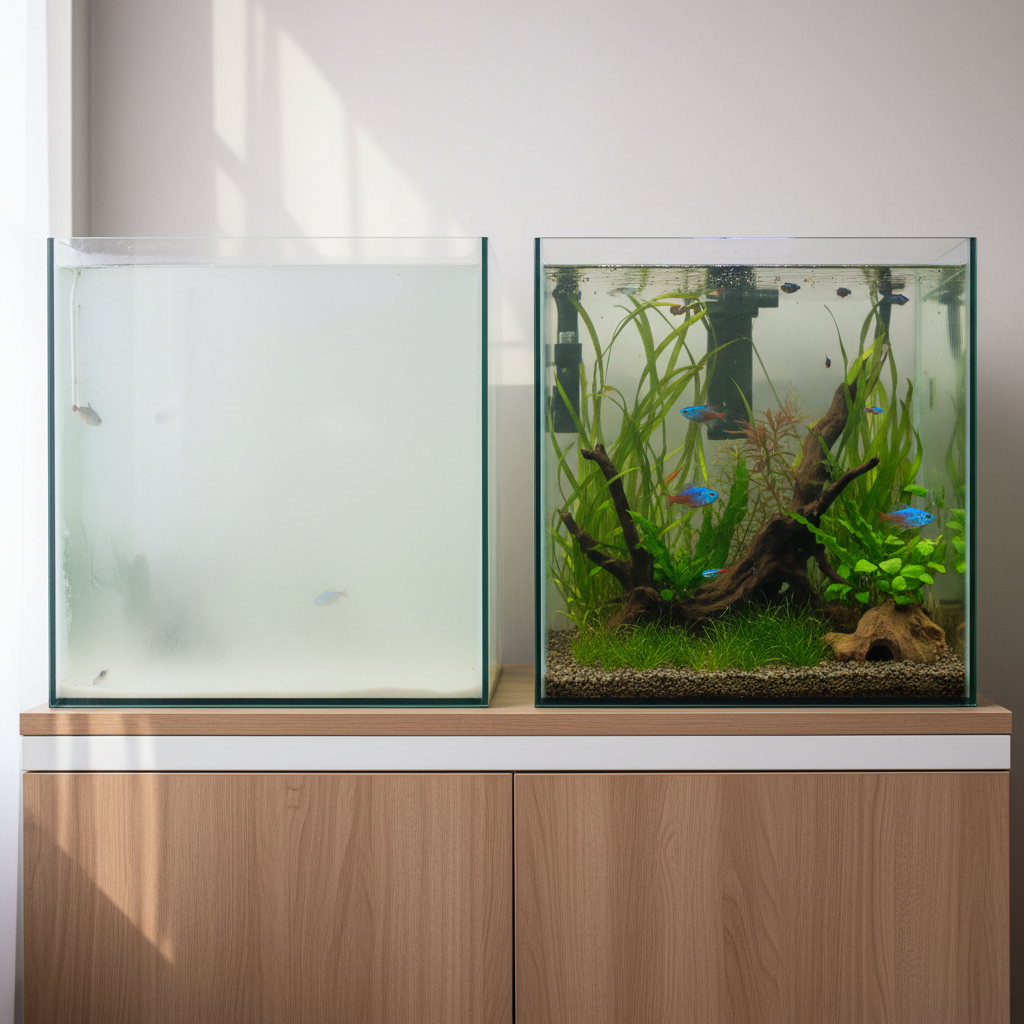
In this guide, you’ll get a quick diagnosis checklist, a practical plan for using clarifiers safely, and the “don’t do this” mistakes that keep tanks cloudy. I’ll also point out when cloudy water signals a bigger issue, so you know when to slow down and troubleshoot.
What a water clarifier actually does (and what it doesn’t)
A water clarifier is typically a polymer-based product that binds fine suspended particles into larger clumps, so your filter can trap them, or they settle where you can siphon them out. Think of it as turning dust into lint.
What it usually doesn’t solve: dissolved discoloration from tannins, ongoing algae growth, or a persistent bacterial bloom driven by excess nutrients. Clarifier can still make a visible difference, but only if you fix the underlying driver.
- Best use cases: dusty substrate, leftover debris after a deep clean, micro-bubbles, fine silt after aquascaping.
- Mixed results: green water (free-floating algae), bacterial blooms, protein haze in high-bioload tanks.
- Poor fit: brown/yellow water from driftwood tannins, or cloudy water caused by ammonia/nitrite problems.
According to the U.S. Environmental Protection Agency (EPA), ammonia and nitrite can be harmful to aquatic life; in aquariums, cloudy water sometimes shows up alongside unstable cycling, so testing matters more than guessing.
Why your tank is cloudy: the common causes in real life
Most “cloudy water” stories fall into a few buckets. The trick is matching what you see to what’s happening in the tank.
1) White or gray haze: dust, bacterial bloom, or micro-bubbles
- New tank cloudiness often points to a bacterial bloom during cycling, especially days 2–14.
- After stirring gravel/sand, it may just be fine substrate dust, clarifier can help a lot here.
- After adding an air stone, micro-bubbles can mimic haze and won’t respond much to clarifiers.
2) Green water: suspended algae
- Usually tied to too much light, excess nutrients, or both.
- A clarifier may clump some algae, but you’ll often need light control and better nutrient management.
3) Brown/yellow water: tannins
- Driftwood and some botanicals leach tannins, it’s usually harmless, but visually “cloudy” to many people.
- Clarifiers don’t remove tannins well; carbon or water changes work better.
Quick self-check: do you actually need a clarifier?
If you only do one thing before dosing, do this: identify the type of cloudiness and confirm the tank is stable. This saves fish stress and saves you money.
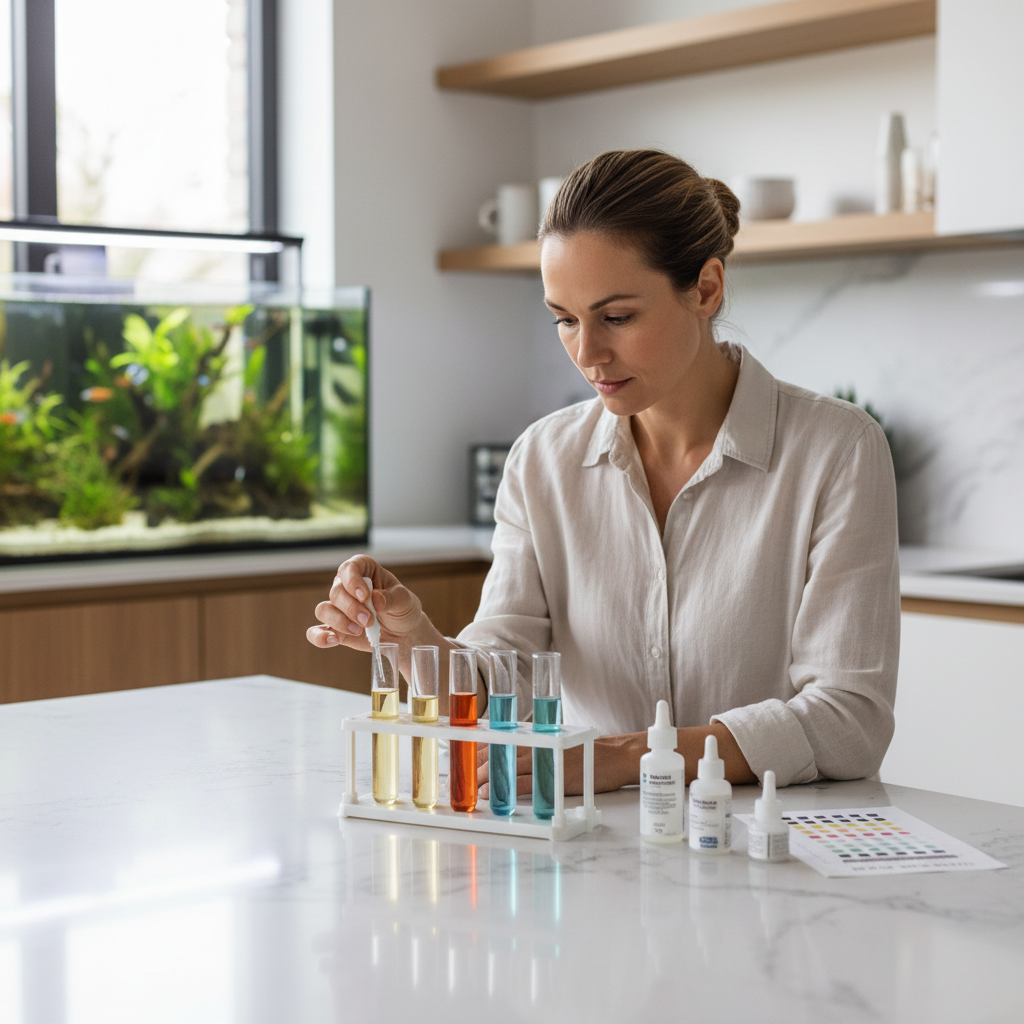
- Is it new-tank haze? Tank under 4–6 weeks old and you’re still cycling, a clarifier may give a temporary cosmetic improvement, but cycling stability is priority.
- Did you recently disturb the substrate? If yes, clarifier is often a good fit.
- Is it green water? If the water looks like pea soup, plan for light reduction and possibly UV sterilization; clarifier alone is hit-or-miss.
- Is water tinted like tea? That’s likely tannins, think carbon and water changes instead.
- Any fish stress? Gasping, clamped fins, lethargy means pause, test water, add aeration, and correct parameters before adding more products.
Minimum tests that pay off: ammonia, nitrite, nitrate. If you keep sensitive fish or shrimp, also check pH and KH/GH. Many cloudy-water “mysteries” are actually maintenance or stocking problems showing up late.
Choosing a fish tank water clarifier for cloudy situations
Most over-the-counter clarifiers work similarly, but in practice your filter setup matters. You want something your filtration can actually capture.
Match clarifier choice to your filtration
- HOB/canister with fine floss: usually the fastest clearing, because the clumped particles get trapped.
- Sponge-only filtration: works, but slower; consider adding filter floss temporarily.
- Heavily planted tanks: clarifiers can bind mulm and push it into the filter, but overuse can make maintenance messier.
Also watch compatibility. Some clarifiers can reduce performance of UV sterilizers or interact with certain conditioners, and some may irritate invertebrates in higher doses. When in doubt, follow the label and start conservative.
Step-by-step: how to use clarifier without making things worse
This is the workflow that tends to work in many home aquariums, especially when the cloudiness is particulate. Go slower than you think you need to, cloudy water usually clears in hours to a day, not minutes.
- Do a small water change (10–20%) if parameters allow, especially if the tank has visible debris.
- Improve mechanical filtration: add fresh filter floss or a fine polishing pad; rinse sponges in tank water, not tap water.
- Increase aeration: point the outlet toward the surface; bacterial blooms and clarifiers both can reduce oxygen in some setups.
- Dose the clarifier per label, don’t stack doses “to speed it up.”
- Leave lights normal for white haze, but if it’s green water, reduce photoperiod (often 6–8 hours) and avoid direct sun.
- Wait and observe: check fish behavior, and check filter flow, clumped gunk can clog floss quickly.
- After 12–24 hours, replace/clean mechanical media if it looks loaded, then reassess clarity.
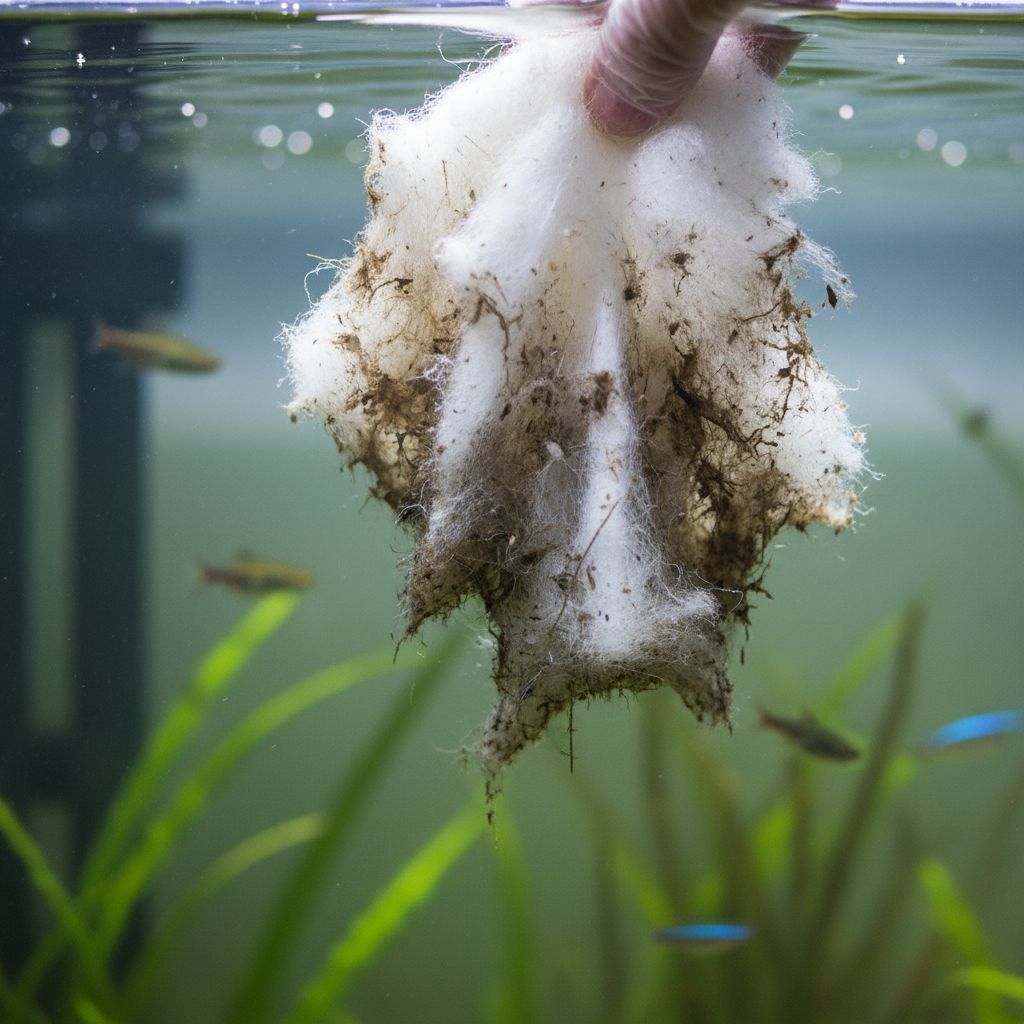
If you’re using a fish tank water clarifier for cloudy water and nothing changes after a full day, treat that as a signal: either the haze isn’t particulate, or the cause keeps producing new haze faster than your filter can remove it.
Troubleshooting table: what to do based on what you see
| What it looks like | Most common cause | Clarifier helps? | Better primary fix |
|---|---|---|---|
| White/gray haze in a new tank | Bacterial bloom during cycling | Sometimes (cosmetic) | Test ammonia/nitrite, reduce feeding, patience |
| Cloud after gravel vacuum or rescape | Fine substrate dust | Often | Filter floss, gentle siphoning, avoid over-stirring |
| Green water | Free-floating algae | Mixed | Reduce light, manage nutrients, consider UV |
| Tea-colored water | Tannins from driftwood | Rarely | Carbon, water changes, pre-soak wood |
| Haze + odor, dirty substrate | Excess waste, overfeeding | Temporary | Maintenance reset, stock/feed adjustment |
Common mistakes that keep water cloudy
Cloudy water can make people overreact, and that’s where things spiral. A few patterns show up again and again.
- Redosing too soon: you clog your filter, stress fish, and still don’t fix the root cause.
- Skipping mechanical media: clarifier works best when there’s something fine enough to catch clumps.
- Deep-cleaning everything at once: washing biomedia, replacing all filter pads, and gravel-vacuuming aggressively can destabilize the tank.
- Chasing “crystal clear” daily: some tanks look slightly hazy right after feeding or maintenance, then settle naturally.
- Ignoring parameters: when ammonia or nitrite is present, clarity is not the priority, fish health is.
According to the American Veterinary Medical Association (AVMA), good animal care includes maintaining appropriate environmental conditions; for aquarium fish, stable water quality is a big part of that, even if the water looks “fine.”
When to stop DIY and get help
If cloudy water comes with fish gasping at the surface, sudden deaths, or persistent ammonia/nitrite readings, it’s smart to consult a reputable local fish store, an experienced aquarist, or a veterinarian who sees fish. You may be dealing with oxygen issues, an uncycled tank, or contamination.
Also consider outside help if the tank clears briefly after a fish tank water clarifier for cloudy dosing, then returns to the same haze within a day or two, that often suggests overfeeding, overcrowding, insufficient filtration, or a buildup in the substrate that needs a longer-term plan.
Key takeaways (so you can act today)
- Clarifiers work best on particles, not on tannins or ongoing algae growth.
- Test water first if the tank is new or fish act stressed, cloudy water can overlap with cycling issues.
- Mechanical filtration is the secret partner: add floss, watch for clogs, and clean media as it loads up.
- Fix the driver (light, feeding, maintenance cadence), or the haze comes back.
Wrap-up: clearing cloudy water without the guesswork
Most cloudy tanks clear faster when you treat it like a diagnosis, not a product problem: identify the haze type, make sure parameters are safe, then use a clarifier only when it matches the situation. If you want a simple next step, add fine filter floss and run a conservative clarifier dose, then reassess in 24 hours with a quick water test.
If you’re still stuck, don’t force it with repeated dosing, step back and look at lighting time, feeding amount, and how much waste the filter can realistically handle week to week.
FAQ
How fast does fish tank water clarifier for cloudy water work?
Many tanks show improvement within a few hours, but 12–24 hours is a more realistic window. If your filter can’t trap the clumps, it may take longer or look unchanged.
Can I use a clarifier in a brand-new cycling aquarium?
You usually can, but it may only improve appearance while the bacterial bloom runs its course. If ammonia or nitrite is detectable, focus on cycling safety steps, and consider asking a knowledgeable shop for guidance.
Will water clarifier hurt my fish or shrimp?
Most reputable products are designed for aquarium use, but sensitivity varies by species and dose. For shrimp and delicate fish, it’s safer to follow the label exactly, boost aeration, and avoid combining multiple water treatments at once.
Why is my water cloudy again the next day?
That usually means the source keeps producing haze: overfeeding, too much light, dirty substrate, or a bloom driven by excess nutrients. Clarifier can remove what’s floating now, but it won’t stop new cloudiness from forming.
Does a clarifier fix green water algae?
Sometimes it helps a bit, but green water often responds better to light control, nutrient balance, and in many cases a UV sterilizer. If you keep plants, avoid extreme blackout approaches unless you understand the tradeoffs.
Should I do a water change before or after dosing?
A small water change before dosing often helps because it removes some suspended debris and dilutes irritants. After dosing, wait until particles clump and get caught, then clean/replace floss and do your usual water-change schedule.
What filter media works best with clarifiers?
Fine filter floss or a polishing pad tends to capture the clumped particles fastest. Coarse sponges still work, just more slowly, and you may need to rinse them more often during the clearing phase.
If you want the low-effort version
If you’re dealing with recurring haze and you’d rather not keep experimenting, a simple “system” usually beats a single product: consistent testing, a bit more mechanical filtration, and a clarifier only when the cloudiness matches particulate debris. If you tell me your tank size, filter type, and what color the haze is, I can help narrow the most likely cause and a reasonable next step.