
Best dog bandanas for fashion come down to three things you can actually control: a comfortable fit, a fabric that looks good after washing, and a style that matches your dog’s build and daily routine.
If you’ve ever bought a cute bandana that immediately twists to the side, rubs your dog’s neck, or shrinks after one wash, you already know the problem isn’t “fashion,” it’s design. The good news is you don’t need a huge budget to get the look—just a smarter checklist.
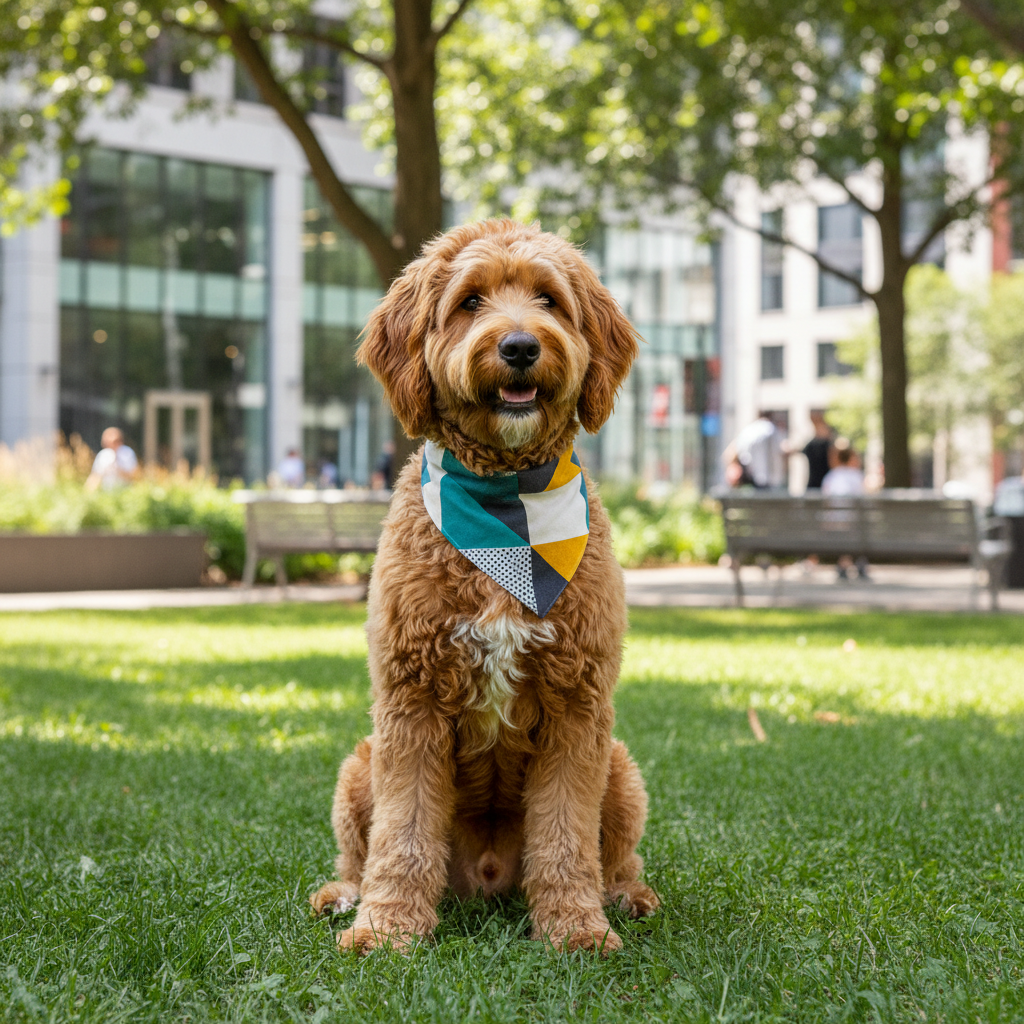
This guide focuses on what tends to work in real life for US pet owners: how to pick materials for comfort and photos, how to size without guessing, and which “trend” details are worth paying for in 2026.
What “fashion bandanas” mean in 2026 (and what shoppers get wrong)
In 2026, dog bandanas sit in a weird spot: part outfit, part accessory, part photo prop. That’s fine, but it changes what “best” means. For most households, the winners are bandanas that look intentional and stay put during walks.
Common shopping mistakes show up fast:
- Buying by breed instead of neck size and coat type. A “medium dog” label varies wildly.
- Overprioritizing patterns and ignoring seams, stiffness, and closure style.
- Assuming all fabrics breathe; some prints look great but feel hot or scratchy.
Also worth saying: a bandana is not a collar replacement. It should sit comfortably around the neck without bearing load, and it should never interfere with a leash, ID tag, or harness.
Fabric choices that look good and stay comfortable
If you want best dog bandanas for fashion that still behave like everyday gear, start with fabric. The “right” one depends on your climate, your dog’s coat, and how often you wash.
Quick fabric rundown
- Cotton (woven): Usually the safest default, breathable, easy to wash, holds prints well. Some cotton can wrinkle and lose crispness over time.
- Cotton-linen blends: A little more texture, often reads “elevated” in photos. Can soften and drape nicely after a few washes.
- Flannel: Cozy look for fall/winter. In warmer states it may feel too warm for long wear.
- Performance poly blends: Often resist wrinkles and dry fast, great for rainy walks. Some cheaper versions trap heat or feel slick.
- Velvet or satin-look fabrics: Very “dressy,” but can snag, slide around, and show drool marks quickly.
According to the American Kennel Club (AKC), clothing and accessories should allow normal movement and not cause overheating; that general guidance applies to bandanas too, especially for thick-coated breeds and warm climates.
Fit and sizing: the part that makes or breaks the look
The best-looking bandana is the one that stays centered. If it rotates, bunches, or rides up under the jaw, photos look sloppy and your dog may paw at it.
A simple sizing method (no guesswork)
- Measure neck circumference with a soft tape where the collar sits.
- Add 1–2 inches for comfort and knot bulk, depending on coat thickness.
- Confirm you can still fit two fingers between fabric and neck.
If your dog sits between sizes, going slightly larger usually looks better for fashion styling, as long as it doesn’t droop into the chest and collect dirt or drool.
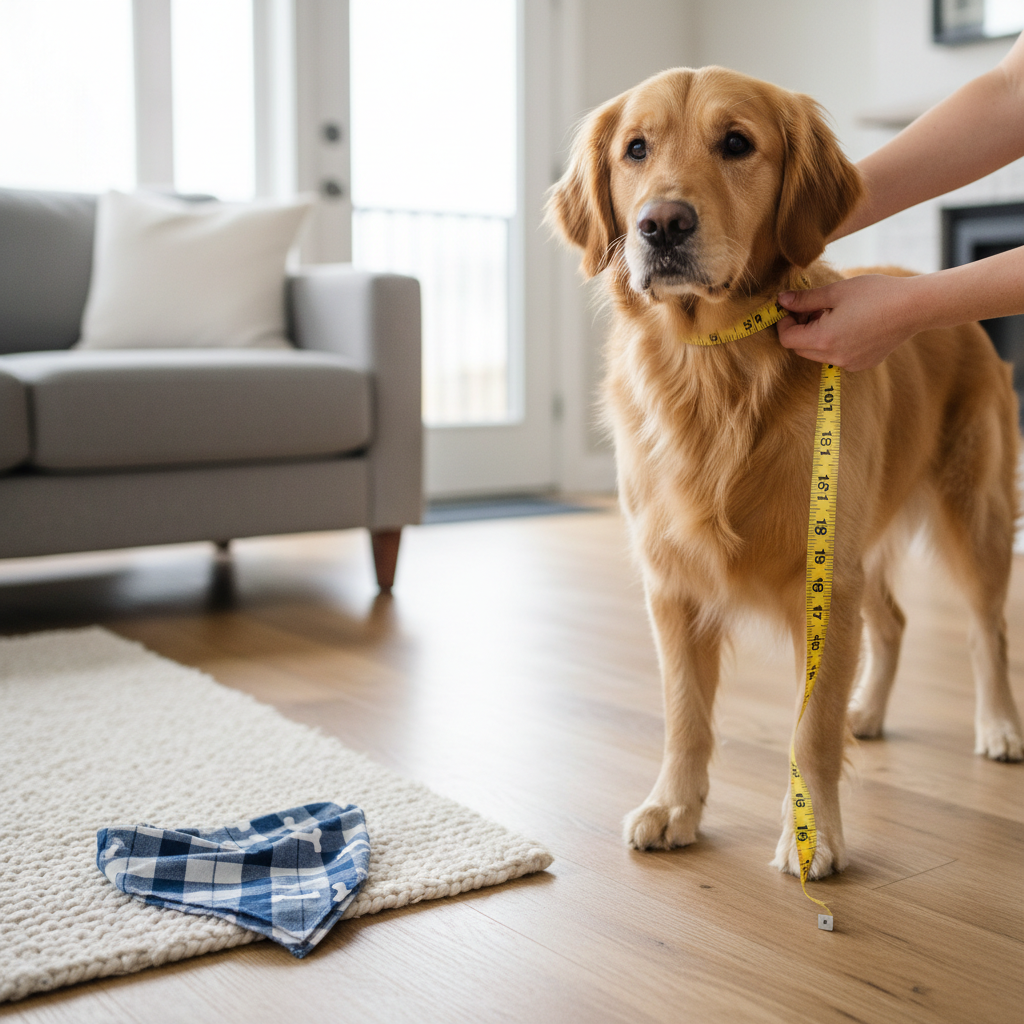
Triangle vs. over-the-collar also affects fit. Classic tie-on triangles can be adjusted, while “over-the-collar” sleeves tend to stay aligned better but must match collar width and buckle placement.
Closure styles: knot, snap, Velcro, and over-the-collar
This is where “fashion” meets practicality. A pretty print won’t matter if the closure annoys your dog or takes forever to put on.
- Knot/tie: Adjustable and classic. Can create bulk under the neck, and some dogs dislike the knot pressing when they lie down.
- Snap button: Cleaner look and quicker on/off. Make sure hardware feels smooth and doesn’t sit right on the throat.
- Velcro: Convenient, but hair can get stuck, and some Velcro loses grip after repeated washes.
- Over-the-collar: Often the most stable for photos and walks. Not ideal if your dog wears different collars or if you use a wide martingale.
In many households, a two-bandana setup works best: one over-the-collar for everyday wear, one “statement” tie-on for events and short shoots.
Style picks that flatter different dogs (not just what’s trending)
Trends shift, but flattering basics stay. If you’re shopping for best dog bandanas for fashion in 2026, these styling rules usually hold up across breeds.
Match style to coat and build
- Small dogs: Smaller prints, lighter fabrics, less bulk. Oversized knots can overwhelm the frame.
- Big dogs: Bolder patterns read better at distance. Slightly heavier fabric helps the bandana keep shape.
- Long-haired dogs: Higher-contrast colors help the bandana stand out. Consider over-the-collar to reduce “disappearing” under fur.
- Short-haired dogs: Softer edges and smooth seams matter more, since there’s less fur as a buffer.
2026-friendly looks that photograph well
- Muted neutrals with one accent color (great if you want your dog to match your outfit without trying too hard).
- Micro-checks and small stripes for a “clean” look that doesn’t fight the background.
- Seasonal solids with textured fabric, rather than loud holiday prints that feel one-and-done.
A practical comparison table (what to buy for your situation)
Use this table to choose based on real constraints: heat, drool, wash frequency, and how much you care about “perfect” photos.
| Use case | Good fabric choice | Best closure | Why it works | Watch out for |
|---|---|---|---|---|
| Everyday walks | Cotton, cotton-linen | Over-the-collar or snap | Stays centered, easy wash | Too-long triangle tips get dirty |
| Hot weather | Light cotton, airy weave | Over-the-collar | Breathable, less bulk | Dark colors may feel warmer |
| Photo shoots | Cotton-linen, structured cotton | Snap or tie | Crisp shape, premium look | Knot bulk can tilt the bandana |
| Drooly dogs | Performance blend, darker cotton | Over-the-collar | Hides marks, dries faster | Some poly can feel less breathable |
| Sensitive skin | Soft cotton, smooth seams | Over-the-collar | Less rubbing, stable placement | Rough stitching, stiff labels |
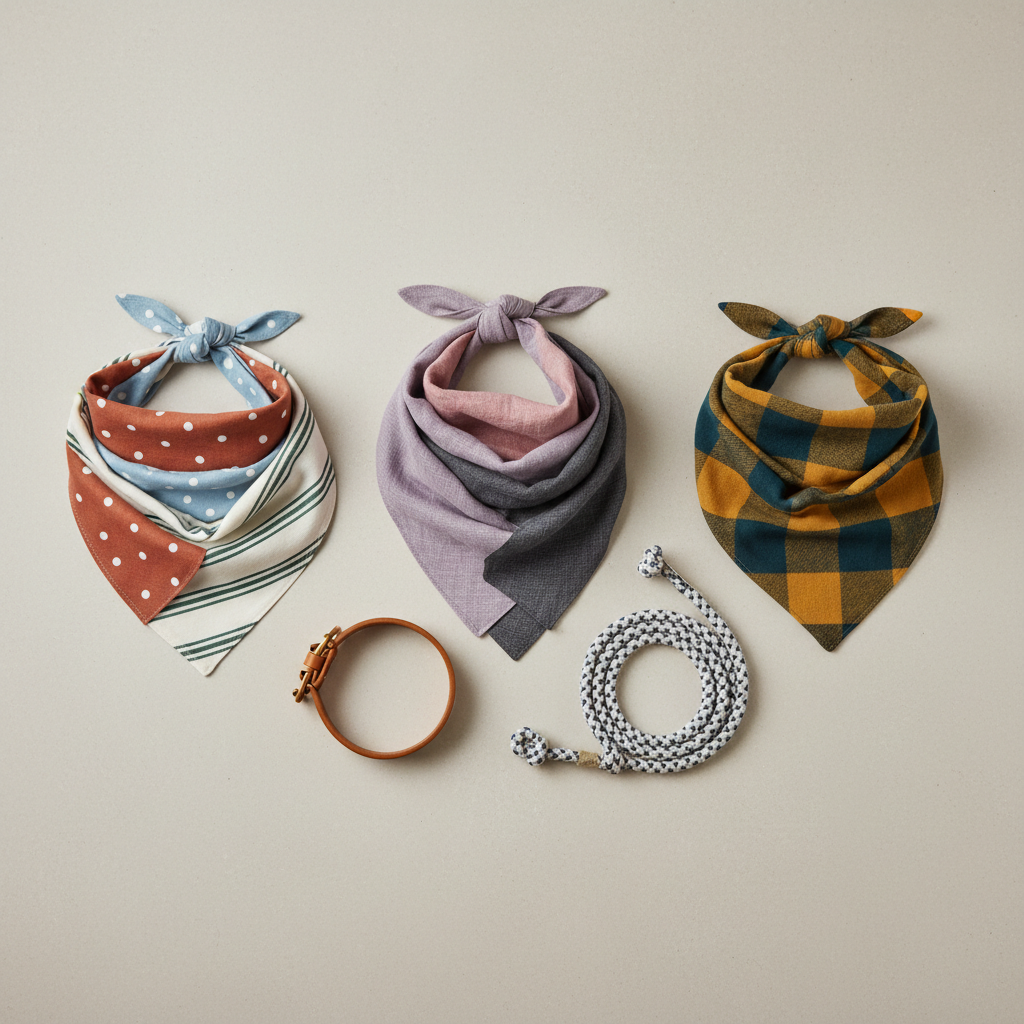
How to pick, style, and care for bandanas (step-by-step)
If you want the fashion result without the constant fussing, this is the workflow that tends to keep bandanas looking “new” longer.
1) Choose the right cut for your routine
- Active dog, lots of movement: over-the-collar keeps the point centered.
- Short wear for events: tie-on is fine, especially with structured fabric.
2) Build a small rotation
- 1 neutral, 1 bold, 1 seasonal
- Keeping three in rotation reduces over-washing your favorite print and helps with last-minute plans.
3) Wash with shape in mind
- Cold wash, gentle cycle for most fabrics; air dry when possible to reduce shrinking.
- Skip heavy fragrance if your dog seems itchy or rubs the neck area.
- If the bandana has snaps or Velcro, close them before washing to protect other items.
4) Quick styling tweaks that matter
- Center the point, then run fingers under the collar line so fabric lies flat.
- For long-haired dogs, pull a bit of fur out above the bandana so it frames the face instead of swallowing the accessory.
- For short-haired dogs, prioritize softness and avoid thick seams right at the throat.
Safety notes and when to ask a professional
Bandanas are low-risk accessories, but problems usually come from fit, friction, or heat. If your dog scratches constantly, coughs, or tries to remove the bandana, treat that as feedback, not “being dramatic.”
- Supervised wear is the safer default, especially for puppies or dogs that chew fabric.
- Remove the bandana during crate time, rough play, or if it tangles with a harness.
- If you notice skin redness, hair breakage, or a hot neck area, switch fabrics and loosen fit; persistent irritation deserves a call to your veterinarian.
According to the American Veterinary Medical Association (AVMA), pet owners should seek veterinary guidance when a skin issue persists or worsens; if irritation shows up under accessories, it’s reasonable to ask for advice rather than guessing.
Key takeaways + conclusion
Best dog bandanas for fashion are rarely the flashiest ones; they’re the bandanas that fit cleanly, hold shape after washing, and don’t bother your dog. Get neck sizing right, choose breathable fabric for your climate, and pick a closure that matches your daily routine.
If you do one thing today, measure your dog’s neck and compare it to the bandana’s actual dimensions, not the brand’s “S/M/L.” If you do a second thing, start a small rotation so you’re not stuck with one bandana that’s always in the wash.
If you’re building a more coordinated look for trips, events, or brand photos, it can help to choose a simple color palette first, then shop bandanas that match your dog’s coat and your typical backgrounds. That’s the difference between “cute accessory” and a consistently stylish vibe.