
How to get rid of cat dander is less about one “deep clean” and more about breaking a cycle: dander builds up, gets stirred back into the air, then lands right back on fabrics and floors. If you love your cat but hate the itchy eyes or constant sneezing, you’re not alone.
The good news is you usually don’t need extreme measures to make a noticeable difference. You need a few high-impact habits, the right tools, and a realistic plan for the rooms where you spend the most time.
This guide walks through what cat dander really is, why it lingers, how to figure out where your home is getting hit hardest, and what to do first if you want faster relief without turning your week into a cleaning marathon.
What cat dander is (and why it sticks around)
Cat dander is a mix of tiny flakes from skin, dried saliva, and proteins that end up on fur and surfaces. The frustrating part is size: dander particles are small enough to travel, float, and wedge into fabric, rugs, and upholstery.
According to the American College of Allergy, Asthma & Immunology (ACAAI)..., pet allergy symptoms are often triggered by proteins found in a pet’s skin cells, saliva, or urine, not the hair itself. That’s why “I vacuumed the hair” sometimes changes nothing.
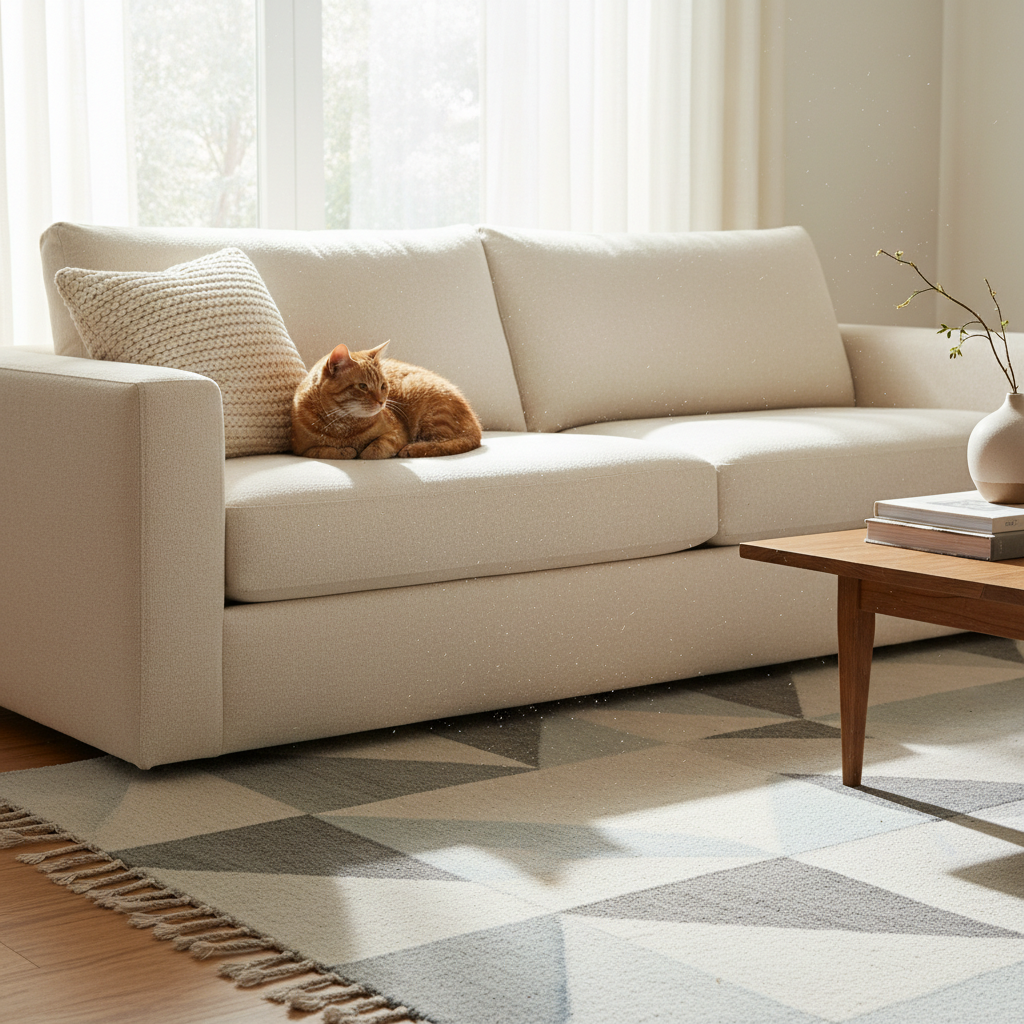
Also, dander can cling to clothing and soft goods, which means it migrates from room to room even if your cat doesn’t. If your symptoms spike on the couch or in bed, it’s usually because those fabrics act like reservoirs.
Why you might still react after cleaning
If you’ve tried basic tidying and still feel awful, it’s usually one of these real-world issues, not “you didn’t try hard enough.”
- You’re re-aerosolizing dander: dry dusting, sweeping, or fast vacuuming can kick particles back into the air.
- Soft surfaces are doing the damage: curtains, rugs, throw blankets, and upholstered chairs hold onto allergens.
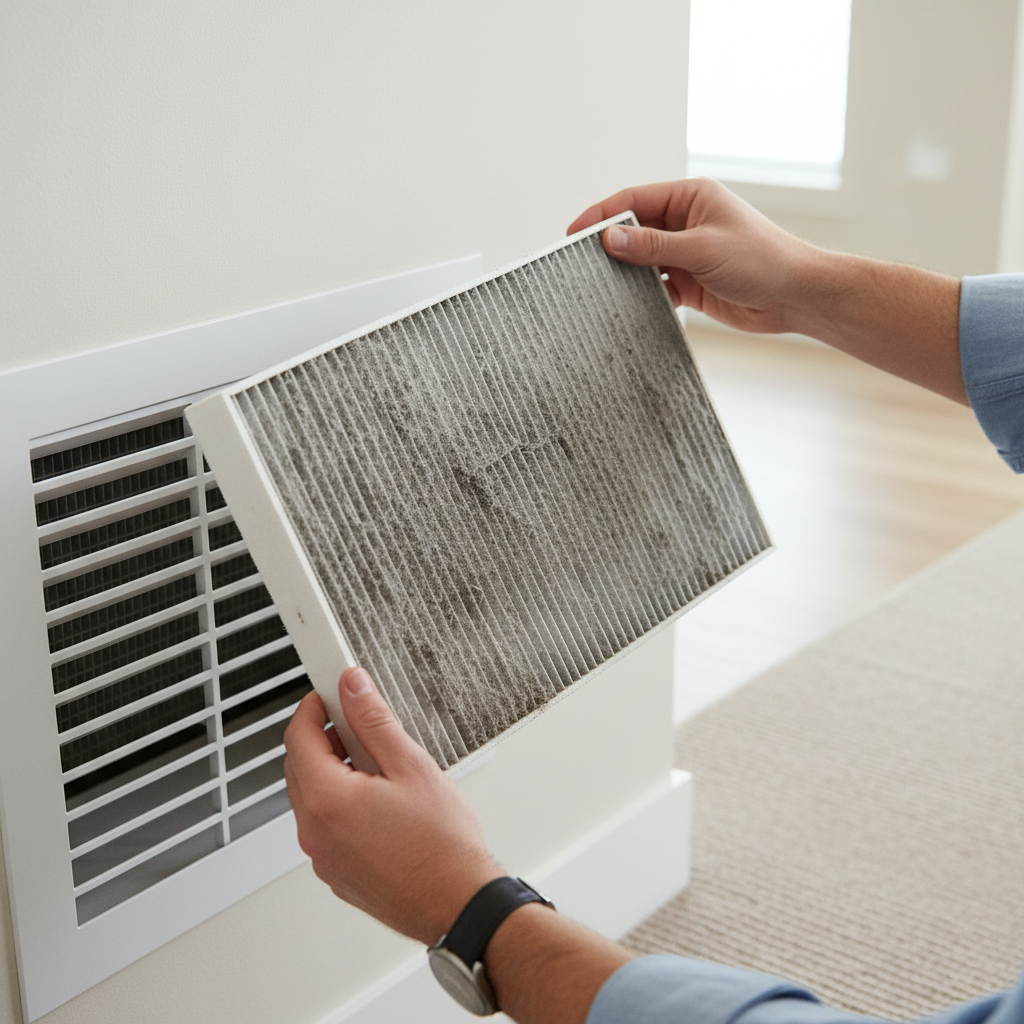
- Filtration is weak: an HVAC filter that’s too low-rated or overdue can keep circulating irritants.
- Your bedroom isn’t protected: you can clean the whole house and still lose if the bed and pillows hold allergen.
- The cat’s “favorite spot” concentrates buildup: window perches, couch corners, and cat trees become hotspots.
One more thing people miss: certain cleaning products leave residues that can irritate airways on their own, especially if you already have asthma or sensitive lungs. If symptoms feel “chemical” or burning, consider milder products and better ventilation, and consult a clinician if you’re unsure.
Quick self-check: where is dander accumulating in your home?
You don’t need lab tests to get directional answers. Do this quick scan and you’ll know where to focus the first weekend.
10-minute hotspot checklist
- Run your hand along baseboards and behind doors, then look for dust on your fingertips.
- Check the cat’s main nap zones: couch arm, bed corner, windowsill, cat tree platforms.
- Look at HVAC returns and vents for fuzzy buildup.
- Sniff-test soft goods: throw blankets and pet beds often carry the strongest “pet” smell.
- If you have rugs, note which ones your cat crosses most often.
Symptoms-based clues
- Worse at night or on waking: bedroom textiles and pillows are likely a big contributor.
- Worse after vacuuming: your vacuum or method may be stirring allergens.
- Worse on the couch: upholstery and throw blankets need a reset routine.
A practical plan: what to do today, this week, and monthly
If your goal is comfort, pace matters. A sustainable routine beats a heroic one-time clean that you never repeat.
Today (highest impact, lowest effort)
- Create one “low-dander zone”, ideally your bedroom, by keeping the cat out if possible and washing bedding.
- Run a HEPA air purifier in the room you sit in most, doors and windows closed for a few hours.
- Swap to damp wiping on hard surfaces instead of dry dusting.
This week (reset the reservoirs)
- Wash throw blankets, couch covers, and pet bedding on the warmest safe setting for the fabric.
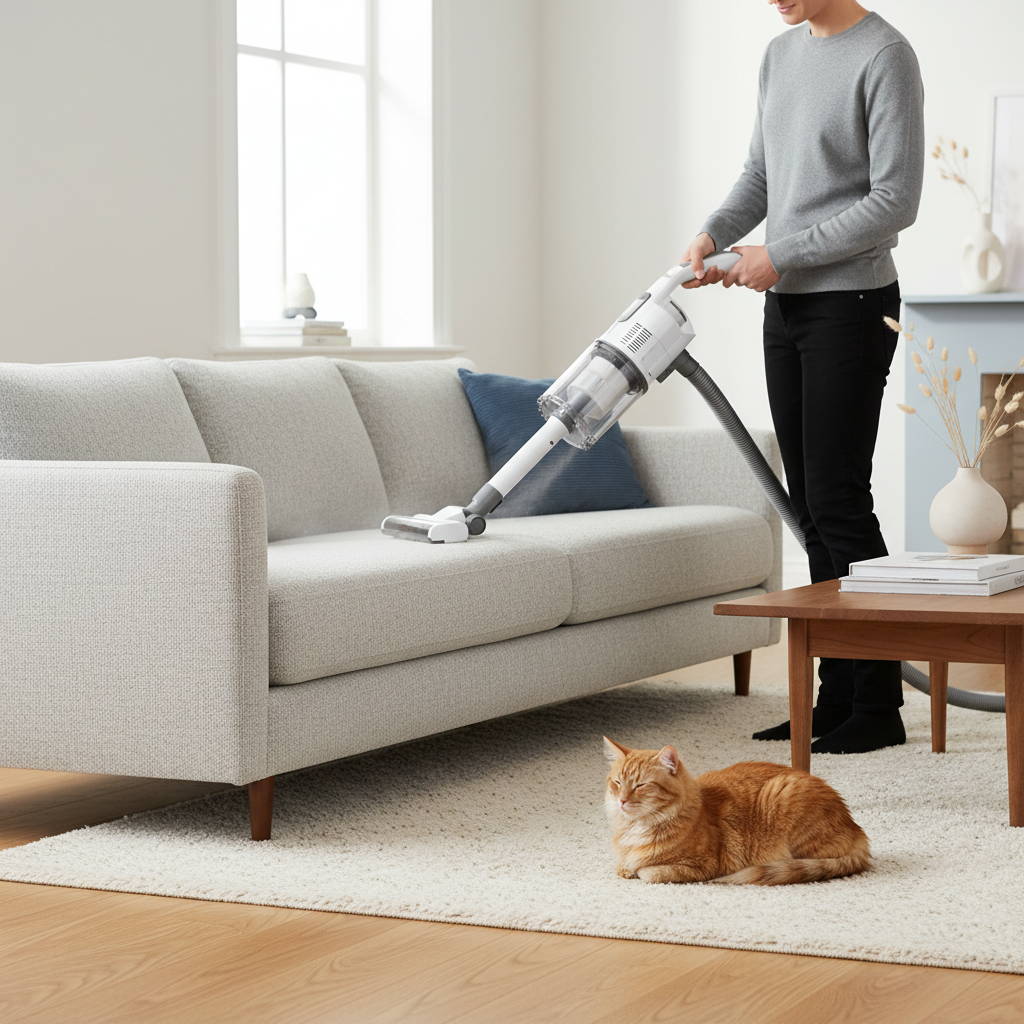
- Vacuum carpets and upholstery slowly using a vacuum with a sealed system and HEPA filtration, if you have it.
- Mop hard floors after vacuuming, because dander settles low.
- Clean or replace HVAC filters (choose a rating appropriate for your system; if unsure, ask your HVAC provider).
Monthly (keep it from bouncing back)
- Wash or replace purifier pre-filters (if your unit has them) and follow the manufacturer schedule for HEPA filters.
- Deep vacuum under furniture and along edges where dust hides.
- Wash cat beds and the washable parts of cat trees, if possible.
Room-by-room: the actions that usually move the needle
Different rooms behave differently. Treating every space the same wastes time.
Bedroom (most important for many people)
- Prioritize bedding: wash sheets weekly, consider allergen-resistant covers for pillows and mattress.
- Minimize fabric clutter: fewer decorative pillows and throws makes a real difference.
- Keep a purifier near the bed, not across the room.
Living room (upholstery is the usual culprit)
- Vacuum cushions, arms, and creases slowly; these areas trap the most.
- If you can, add washable covers or dedicated cat blankets you can toss in the laundry.
- Consider curtains you can wash, or wipeable blinds if you’re due for a change anyway.
Entryway and closets (dander “travels” here)
- Keep a lidded hamper for worn clothes to reduce allergens spreading to chairs and floors.
- Store frequently worn jackets in a closed closet instead of open hooks if symptoms are strong.
Home office (quiet buildup)
- Wipe desks and shelves with a damp microfiber cloth.
- Clean chair fabric and under-desk rugs, especially if the cat hangs out while you work.
Tools and methods: what helps most (and what’s often wasted effort)
You can spend a lot here, but you don’t have to. The goal is to remove particles, not perfume them.
What usually helps
- HEPA air purifier: good for airborne particles; place it where you breathe, not where it “looks nice.”
- Vacuum with sealed filtration: helps keep what you pick up from leaking back into the room.
- Microfiber + damp technique: grabs fine dust better than feather dusters or dry rags.
- Washable layers: covers, throws, and cat blankets you can launder frequently.
What’s often wasted effort
- Scent sprays: they mask odor, but don’t remove allergen, and can irritate sensitive airways.
- Random “air freshener” gadgets: if there’s no real filtration, don’t expect meaningful change.
- Dry sweeping: it tends to put fine particles back into circulation.
A simple comparison table: choose your next step
If you’re deciding what to tackle first, this table is a practical way to match actions to the kind of problem you’re seeing.
| Situation | Most likely source | Good next step | What to avoid |
|---|---|---|---|
| Sneezing mainly in bedroom | Bedding, pillows, carpet | Wash bedding, add allergen covers, run HEPA purifier near bed | Only vacuuming the floor and calling it done |
| Symptoms worse right after cleaning | Particles stirred up | Damp dust, slow vacuum, ventilate, wear a mask if sensitive | Dry dusting and fast sweeping |
| Living room feels “heavy” | Upholstery, throws, rug | Launder washable fabrics, vacuum upholstery, consider washable covers | Only removing visible hair |
| Whole house feels dusty fast | HVAC circulation, filter issues | Check HVAC filter fit and change schedule, clean returns | Using too-restrictive filters without HVAC guidance |
Key points and common mistakes (so you don’t do extra work)
- Key point: Treat fabrics like “dander storage.” If you don’t reset them, air cleaning alone feels limited.
- Key point: Slow cleaning is better cleaning. A rushed vacuum pass misses what’s embedded.
- Common mistake: Moving the purifier around constantly; one stable placement in your main room often performs better.
- Common mistake: Ignoring cat grooming. Brushing can reduce shed material, but do it in an easy-to-clean area and wash hands after.
- Common mistake: Overcorrecting with harsh chemicals. If you have asthma or strong reactions, it may help to choose milder products and consult a professional.
According to the U.S. Environmental Protection Agency (EPA)..., improving indoor air quality typically involves controlling the source, improving ventilation when appropriate, and using effective filtration. In plain terms, that means: reduce buildup, remove what you can, and keep the air moving through a filter that actually catches fine particles.
When it’s time to get professional help
If you’re doing the basics and symptoms still feel intense, it may be time to bring in help, not because you failed, but because the problem might be bigger than routine cleaning.
- Allergy or asthma symptoms that interfere with sleep, work, or breathing: consider an allergist; medication or immunotherapy might be part of the solution.
- HVAC concerns like musty smells, visible dust blasting from vents, or filter fit issues: a licensed HVAC tech can check airflow and filtration compatibility.
- Carpet and upholstery saturation: professional cleaning can help in some cases, especially if you’re trying to “reset” a space.
If anyone in the home has severe asthma, recurring wheeze, or breathing distress, it’s smart to seek medical advice promptly. Home steps can help, but they’re not a substitute for care.
Conclusion: a calmer home without giving up your cat
If you want noticeable relief, focus on the places you breathe and rest, then keep dander from cycling back through fabrics and air. Start with a protected bedroom, add steady HEPA filtration, wash the soft stuff you touch every day, and clean in a way that removes particles instead of redistributing them.
If you pick two actions for this week, make them simple: wash bedding and throws, then run a purifier where you sleep. Those steps often tell you quickly whether your plan is working, and they’re easy to sustain.
FAQ
- How long does it take to get rid of cat dander in a house?
It depends on how much fabric you have, your cleaning routine, and airflow. Many households notice improvement within days after washing soft goods and running HEPA filtration consistently, but a full “reset” can take longer. - Can I get rid of cat dander without getting rid of my cat?
In many cases, yes. You’re aiming to reduce exposure, not erase every particle. A bedroom boundary, washable covers, and good filtration often make living with a cat more manageable for mild to moderate symptoms. - Does bathing a cat reduce dander?
Sometimes it can help, but cats vary in tolerance and skin sensitivity. If you try it, consider a vet-approved approach and don’t over-bathe, since dry skin can worsen flaking. - What’s the best way to clean cat dander off furniture?
Vacuum upholstery slowly with a proper attachment, then use washable throws or covers you can launder. For some fabrics, a slightly damp microfiber pass can pick up what vacuuming misses. - Will an air purifier remove cat dander?
A HEPA purifier can capture airborne particles and help reduce what you inhale, especially in closed rooms. It won’t remove what’s embedded in carpets and couches, so pairing it with fabric cleaning tends to work better. - Should I use a higher-rated HVAC filter to catch more dander?
Possibly, but filter upgrades can affect airflow depending on the system. If you’re unsure, ask your HVAC provider what rating your unit can handle comfortably. - Why am I still sneezing even after vacuuming?
Often it’s because vacuuming stirred particles up or the vacuum leaks fine dust. Try slower passes, a sealed/HEPA vacuum if available, and damp dusting before or after to capture what settles.
If you’re trying to figure out how to get rid of cat dander without turning your home upside down, a simple next step is to map your hotspots and build a repeatable routine around them. If you want a more tailored plan, sharing your floor type, HVAC setup, and the rooms where symptoms hit hardest can make recommendations more specific.