
Cat window seat bed choices can feel simple until you’re dealing with suction cups that slip, a perch that wobbles, or a “sunny spot” that turns into a drafty disappointment.
The good news, most issues come down to a few predictable variables: window type, your cat’s weight and habits, materials, and how the bed attaches. Get those right, and you usually get a calm, sun-warmed hangout that your cat actually uses.
This guide walks through what matters in real homes, how to pick the right style, how to install it so it stays put, and how to tell when a window perch is a bad fit for your space or your cat.
Why cats love window seats (and why some cats ignore them)
A window perch is basically a sensory buffet: warmth, movement outside, and a safe “watchtower” feeling. Many cats settle faster when they have a predictable high spot, especially in busy households.
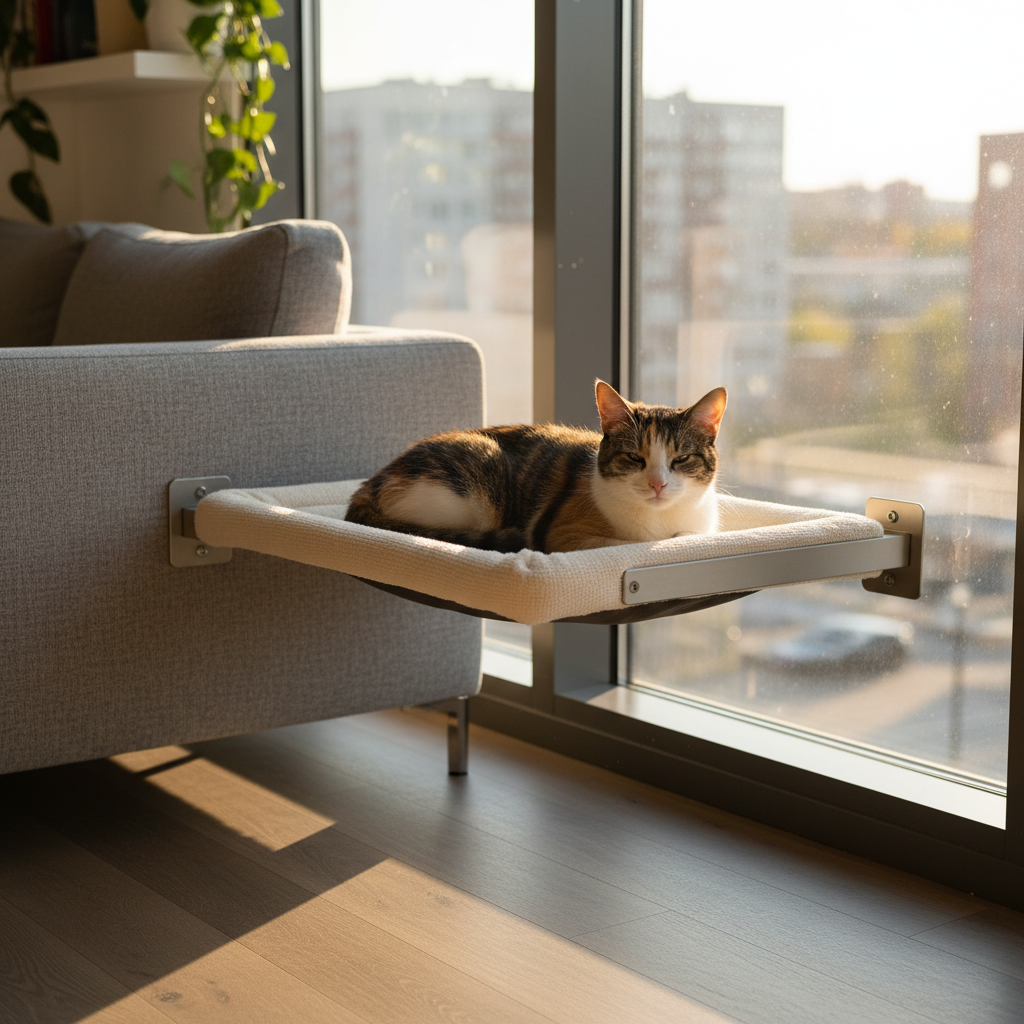
But some cats ignore a new perch at first, and it’s not always “they don’t like it.” Common reasons include the bed feeling unstable, the surface being too slick, the location being too exposed, or the window area smelling like cleaner or noise. According to the American Veterinary Medical Association (AVMA), stress and environmental changes can affect cat behavior, so it’s reasonable to expect a short adjustment period in some homes.
If your cat prefers covered spaces, a window seat can still work, just choose one with raised sides, a deeper pad, or place it next to a curtain edge so it feels less like a stage.
Types of cat window seat beds: which one fits your setup?
Not all window perches are interchangeable. The attachment method and the “feel” underfoot matter as much as the cushion.
Suction-cup window perches
These are popular for renters because they don’t require drilling. They can be very solid on clean, smooth glass, but they’re less forgiving of dusty windows, textured glass, or temperature swings that weaken suction.
Bracket-mounted or sill-supported seats
These use support legs, hooks, or brackets that transfer weight to the window sill or wall. They often feel more stable for larger cats, but they require the right sill depth and sometimes minor assembly.
Hammock-style vs. platform-style
Hammocks feel cozy and “nest-like,” but some cats dislike the sway. Platforms tend to feel safer for jumpers and older cats, especially when paired with a grippy cover.
Quick self-check: what you should measure and notice before buying
This is the part people skip, then end up with a perch that technically fits but never gets used.
- Cat weight and body length: choose a rated capacity above your cat’s weight, with room to turn and curl.
- Window surface: smooth glass supports suction best, textured or dusty glass usually causes slow failure.
- Sill depth: measure usable depth, not just the trim, some brackets need more space than expected.
- Sun vs. draft: a “sun window” in winter can also be the coldest spot at night.
- Jump path: can your cat reach it without launching from something unstable?
- Household factors: kids, dogs, or loud street-facing windows can make the spot feel unsafe.
If you’re unsure between two sizes, many cats do better with “one size bigger,” especially if they like to sprawl or knead.
Comfort features that actually matter for sun lounging
A cat window seat bed can look plush online and still feel wrong to a cat. Focus on a few practical comfort cues.
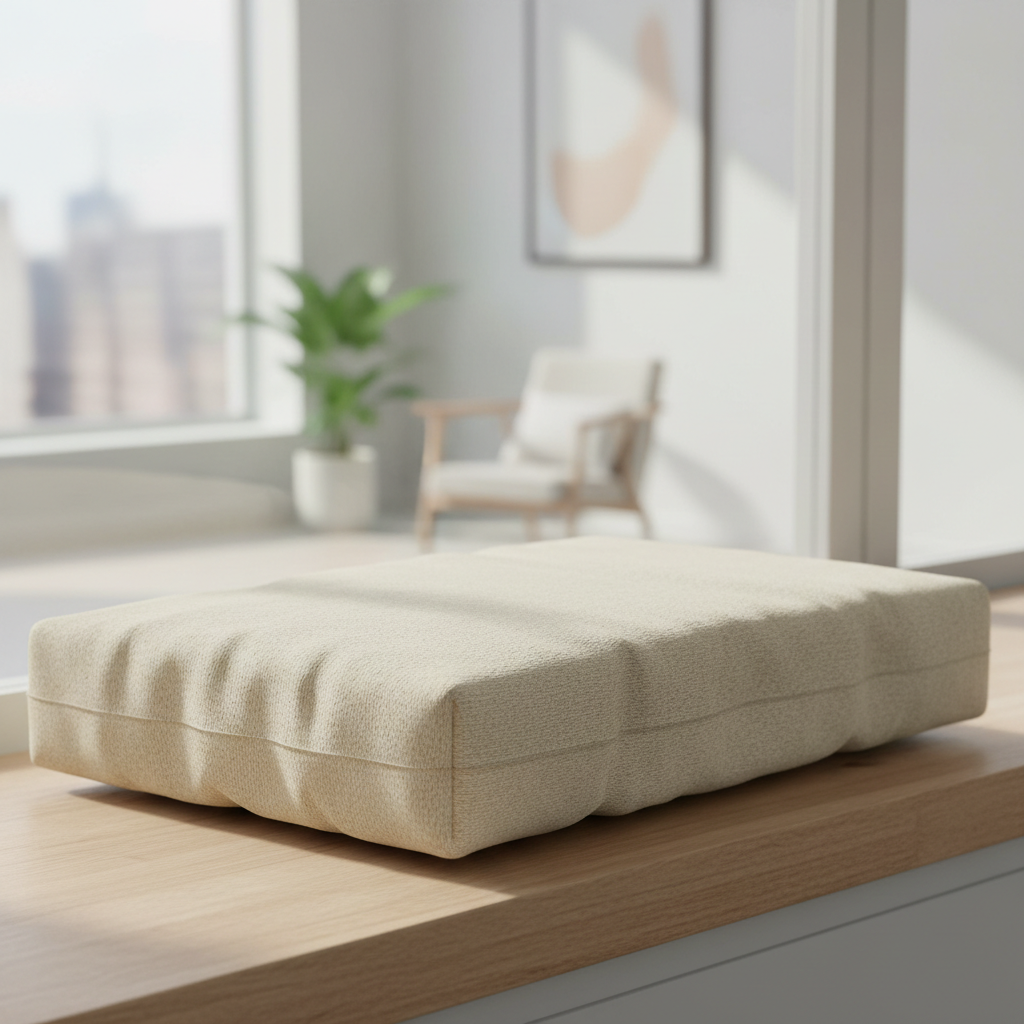
- Grippy surface: fleece, sherpa, or textured fabric helps prevent sliding when your cat turns around.
- Removable, washable cover: hair builds up fast in sunny spots, easy cleaning keeps it usable.
- Edge support: a slight bolster gives the “safe boundary” many cats prefer.
- Breathability: direct sun can overheat thick foam, a layered pad often feels better.
- Noise level: crinkly liners or loud velcro can be a dealbreaker for sensitive cats.
For “sun comfort,” placement matters as much as materials. If the window gets harsh midday sun, consider moving the perch slightly to the side so it gets warmth without baking, or use a sheer curtain to soften heat.
Safety first: stability, falls, and heat management
Most people buy a cat window seat bed for enrichment, then panic the first time they hear a thump. Stability is non-negotiable, especially for bigger cats or homes with slick floors where a startled jump can cause a chain reaction.
- Go above the stated weight capacity: cats don’t sit still, dynamic loads can be higher than “cat weight.”
- Prefer wider bases and multiple anchor points: more contact points often means less wobble.
- Check suction cups regularly: they can slowly lose hold, especially after temperature changes.
- Watch for overheating: sun + glass can get hot; if your cat pants or avoids the perch, adjust placement.
According to the ASPCA, providing safe enrichment and preventing household hazards is part of responsible pet care. If your cat has mobility limits, consider a lower install height or add a step or nearby chair to reduce jumping strain, and consult a veterinarian if you suspect joint pain.
Comparison table: choose the right window seat for your cat
Use this as a quick filter before you get lost in listings and reviews.
| Feature | Best for | Watch out for |
|---|---|---|
| Suction-cup mount | Renters, smooth glass, lighter-to-medium cats | Dirty/textured glass, temperature shifts, poor cup quality |
| Sill/bracket support | Larger cats, high-energy jumpers, extra stability | Sill depth limits, minor installation effort |
| Hammock style | Curlers, cats who love “nest” pressure | Sway can scare some cats, fabric stretch over time |
| Platform style | Older cats, cats who sprawl, multi-cat homes | Needs a grippy cover, can feel exposed without bolsters |
| Removable washable pad | Shedders, allergy-conscious homes | Some covers shrink or pill if washed hot |
Practical setup tips that make cats actually use it
If you install a perch and your cat avoids it, don’t rush to return it. A few small moves often change everything.
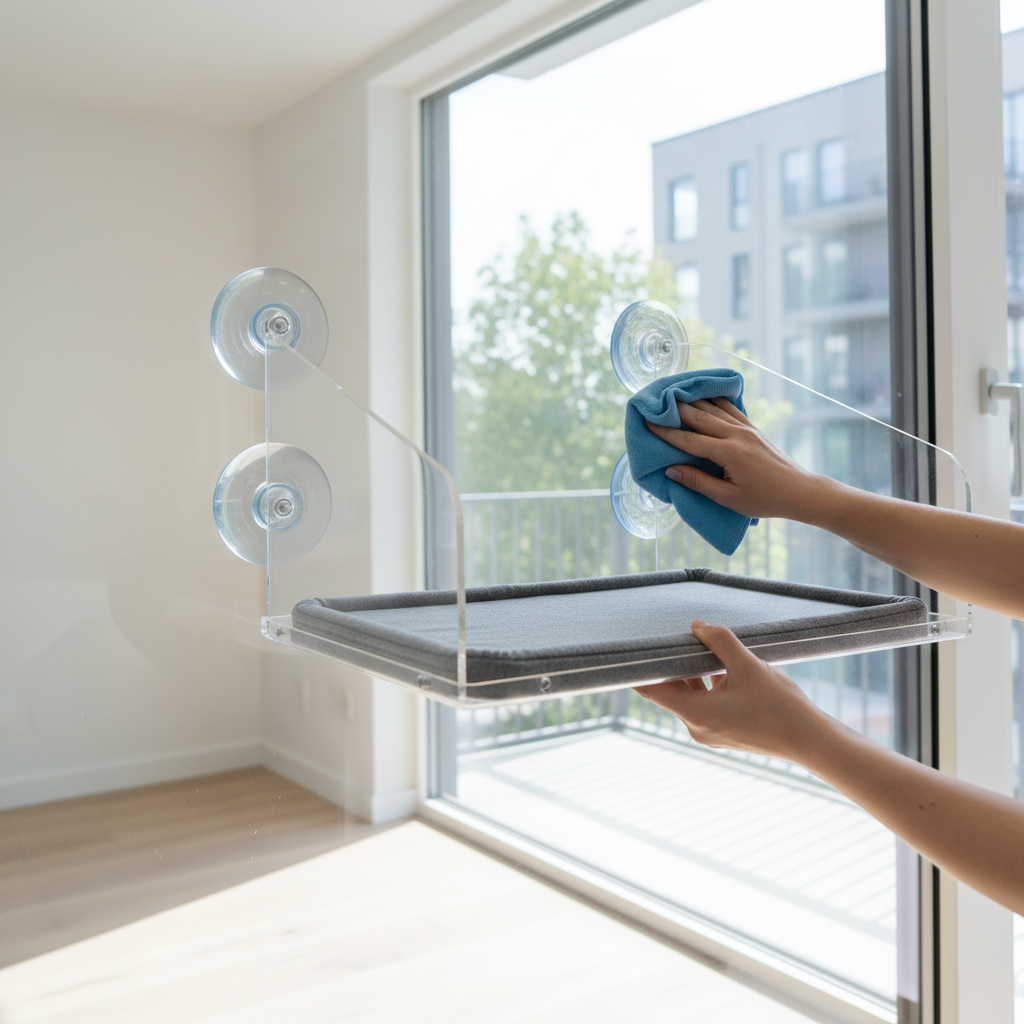
- Clean the glass properly: use a lint-free cloth, avoid oily residue that weakens suction.
- Warm the suction cups: room-temp cups usually grip better than cold, stiff ones.
- Start low, then raise: if your cat seems unsure, begin at a lower height for confidence.
- Add a familiar scent: place a blanket your cat already sleeps on for a few days.
- Use food carefully: a couple treats can help, but don’t create pressure if your cat hates training.
Key takeaway: for most cats, “stable under paws” beats “extra fluffy” every time, so prioritize rigidity, grip, and an easy jump route.
Common mistakes (and what to do instead)
These show up again and again in customer questions, and they’re fixable.
- Mistake: mounting on a window that gets slammed or shaken. Do instead: choose a quieter window, or switch to a sill-supported model.
- Mistake: placing the perch where your cat feels exposed. Do instead: position it near a curtain edge or a corner window for “back coverage.”
- Mistake: ignoring cleaning reality. Do instead: pick a removable cover and keep a lint roller nearby.
- Mistake: assuming one perch solves boredom. Do instead: rotate toys or add a second rest spot if you have multiple cats.
Conclusion: how to buy with confidence
A cat window seat bed is worth it when it’s stable, easy to maintain, and placed where your cat feels safe enough to relax. If you only do two things, measure your window and buy for stability above all, then make the spot inviting with a familiar pad and a calm jump path.
If you’re shopping today, pick one style that matches your window type, then shortlist by weight rating, washable cover, and a surface your cat can grip. The “sun comfort” part usually takes care of itself once the perch feels trustworthy.
FAQ
Why does my cat window seat bed keep falling off the glass?
Most often it’s glass residue, temperature swings, or cups not fully sealed. Clean the window with a residue-free method, warm the cups to room temperature, and re-press each cup firmly. If your glass is textured, a bracket-supported seat may be more reliable.
How high should I mount a window perch for my cat?
High enough for a view, low enough for a confident jump. For many cats, starting lower helps them trust it, then you can move it up. For seniors or cats with suspected joint pain, lower placement and a step option can reduce strain, and a vet can advise if mobility is a concern.
Is a suction-cup perch safe for a large cat?
It can be, but you want a capacity well above your cat’s weight and a truly clean, smooth mounting surface. If your cat launches hard or “drops” onto the bed, a sill-supported design often feels safer in day-to-day use.
What if my cat ignores the window seat completely?
Give it time, then troubleshoot stability and location. Add a familiar blanket, try a quieter window, and make sure the perch doesn’t wobble when your cat tests it. Some cats also prefer a deeper, more enclosed bed style.
How do I keep the window seat from getting too hot in the sun?
Move the perch slightly off the strongest sun angle, use a breathable pad, or soften light with a sheer curtain. If your cat avoids the perch during peak sun, that’s a clue the surface may be too warm.
How often should I clean a cat window seat bed?
If your cat uses it daily, a quick hair removal weekly and a cover wash every couple weeks is common, but it depends on shedding and allergies in the home. Washing more often helps if dander bothers anyone in the household.
Can two cats share one window seat?
Some bonded cats will, but many cats prefer personal space. If you notice tension or one cat guarding the perch, adding a second resting spot usually reduces conflict more than trying to “teach sharing.”
If you’re trying to pick a cat window seat bed that stays secure, cleans easily, and actually delivers that sunny lounging spot your cat keeps hunting for, it may help to narrow choices by your window type and your cat’s size before you compare fabrics and extras.