
How to get a cat to gain weight starts with one unglamorous step: figure out why the weight is dropping or not budging, because the “right” fix depends on the cause.
If your cat looks bony along the spine, loses muscle around the hips, or suddenly acts picky, it’s tempting to just offer richer food and hope for the best, but weight loss can be tied to dental pain, parasites, stress, or chronic illness, and extra calories alone won’t always help.
This guide walks you through practical, safe ways to add weight, how to tell whether you’re seeing healthy fat gain versus water or bloating, and when you should pause the home plan and call your vet.

Start with the safety check: rule out medical causes
If your cat is underweight, the safest approach is to assume there may be a reason until proven otherwise. According to the American Veterinary Medical Association (AVMA), regular veterinary visits help catch illness early, and weight change is one of the classic “early clues” that deserves attention.
It’s especially important to get a vet opinion if weight loss is new, fast, or paired with behavior changes, because conditions like hyperthyroidism, diabetes, kidney disease, inflammatory bowel disease, and dental disease can change appetite and calorie use.
When “feed more” can backfire
- Malabsorption: your cat eats but doesn’t absorb nutrients well, so calories don’t translate to weight.
- Pain: dental pain can make a cat look “picky” when chewing simply hurts.
- Parasites: especially in kittens or outdoor cats, parasites can keep weight down.
- Stress: multi-cat tension, moving, loud construction, even a new litter box spot can reduce intake.
If you can schedule a checkup, ask about a basic workup that often includes a physical exam, dental check, fecal test, and possibly bloodwork, the goal is not to “over-test,” it’s to avoid wasting weeks on food changes while a treatable issue continues.
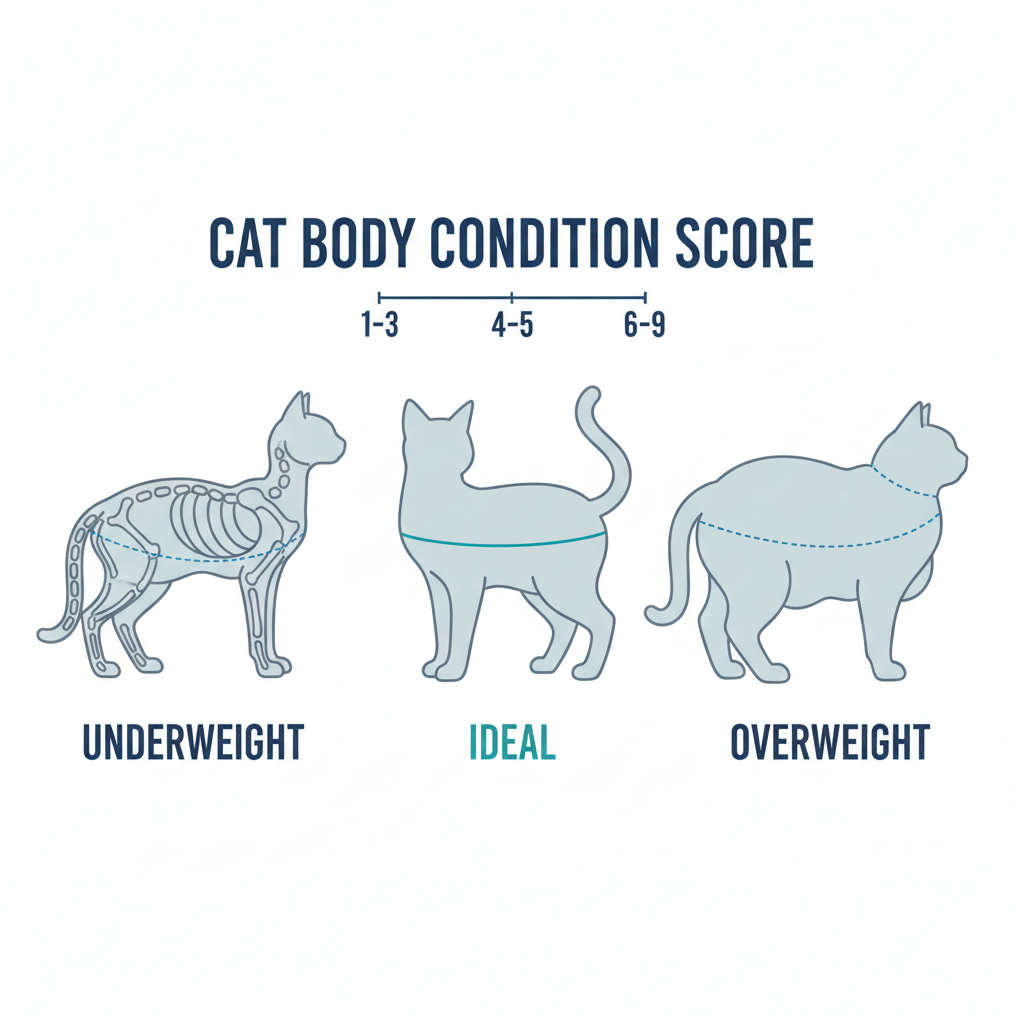
Quick at-home assessment: is your cat truly underweight?
Some cats are naturally lean, and fluffy coats can hide ribs until the cat turns sideways under a bright light. A simple home check can keep you from chasing weight gain when the real need is muscle building, hydration, or a better routine.
- Ribs: you should feel ribs with light pressure, but they shouldn’t look sharply outlined from across the room.
- Waist: viewed from above, a gentle waist is normal, a dramatic “hourglass” can signal underweight.
- Back and hips: a prominent spine or hip bones often suggests loss of muscle, not just fat.
- Energy and coat: dull coat, low energy, or vomiting/diarrhea makes a medical reason more likely.
Key point: weigh weekly, not daily, and log it. Small day-to-day swings happen, the trend matters.
Build calories the smart way: what to feed for healthy gain
When people ask how to get a cat to gain weight, they usually mean “what food works,” but the better question is “what food adds calories without wrecking digestion.” Most cats do best with small increases, consistent routine, and a nutrient-dense diet rather than random high-fat add-ons.
What usually helps
- Complete and balanced kitten food (for adults under vet guidance): often higher in calories and protein per bite.
- Higher-protein wet food: easier to chew, often more palatable, supports hydration.
- Energy-dense veterinary diets: useful when appetite is low; ask your vet before switching.
- Measured treats: treat calories count, but they should not replace balanced meals.
What to be cautious with
- Milk, cheese, heavy cream: many cats are lactose intolerant, diarrhea can erase calorie gains fast.
- “People food” fats (butter, oils): can trigger GI upset; in some cats, pancreatitis risk is a concern, so use professional guidance.
- Unbalanced homemade diets: without formulation, nutrient gaps are common, especially taurine.
According to the American Animal Hospital Association (AAHA), a complete and balanced diet is central to long-term health, so even if you use toppers or appetite tricks, keep the core diet nutritionally sound.
Portions and scheduling: a practical feeding plan that actually sticks
Most underweight cats don’t need a dramatic overhaul, they need a repeatable plan you can maintain for weeks. The usual win comes from more eating opportunities and better consistency, not from forcing huge meals.
A simple 2-week approach
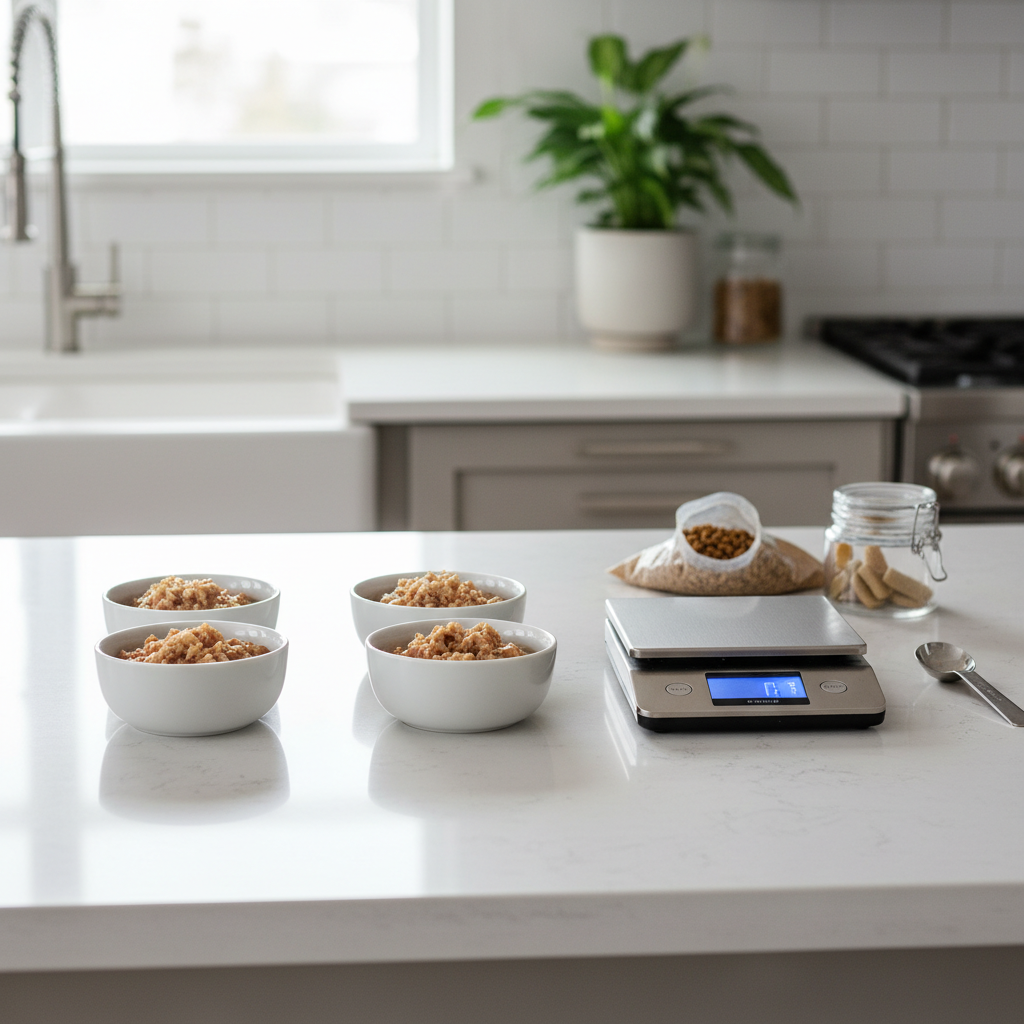
- Days 1–3: keep the current food, add one small snack-sized meal, track total intake.
- Days 4–7: increase meal frequency to 3–4 feedings per day, keep portions modest.
- Week 2: if stools stay normal and appetite looks steady, increase total calories slightly, not more than your cat tolerates.
If you free-feed dry food and your cat still stays thin, you may be dealing with competition, stress, food staleness, or dental pain. In multi-cat homes, separate feeding stations can make a bigger difference than switching brands.
Helpful tools
- Kitchen scale for food portions, it removes guesswork.
- Puzzle feeder if your cat prefers “snacking” behavior.
- Microchip feeder for cats that steal meals or get bullied away.
High-calorie additions: toppers and supplements (when appropriate)
If your vet has ruled out urgent medical issues, carefully chosen toppers can help, especially for seniors or cats with low appetite. The key is to keep these additions small and purposeful so they don’t replace balanced meals.
Common options your vet may recommend include calorie gels/pastes designed for cats, or specific high-energy wet foods. If you go this route, introduce slowly and stop if vomiting or diarrhea starts.
Easy appetite boosts that are usually low-risk
- Warm the wet food slightly to increase aroma, many cats respond to smell.
- Add a spoon of warm water to make a gravy texture, helpful for cats with mild mouth sensitivity.
- Rotate textures (pâté vs. shreds) rather than hopping across brands every day.
Common mistakes that slow progress (or cause new problems)
Many stalls happen because the plan swings too hard, too fast. A cat that finally starts eating again can still lose ground if the food change triggers diarrhea, or if treats replace real nutrition.
- Big, sudden diet switches: GI upset is common; transition gradually when possible.
- Chasing novelty: too many flavors in a week can create learned pickiness.
- Ignoring hydration: constipation can reduce appetite; wet food often helps.
- Only watching the scale: muscle loss can hide under “stable weight,” look at back/hips too.
- Over-supplementing: stacking gels, toppers, and treats can unbalance the diet.
If your cat is a senior, be extra cautious with rapid weight gain goals, slow steady progress tends to be safer for joints, digestion, and overall comfort.
Monitoring progress: what “healthy gain” looks like
Healthy weight gain is boring, and that’s a compliment. You want a gradual trend upward, normal stools, and a cat that stays engaged with meals.
Use this weekly check-in
- Weight trend: same scale, same time of day when possible.
- Stool quality: soft stool can mean the plan is too rich.
- Appetite: stronger interest is good, frantic hunger can signal a medical issue.
- Body condition: ribs less sharp, spine less prominent, posture more “filled out.”
A practical calorie-boost options table (for discussion with your vet)
This table is meant as a decision aid, not a prescription. Cats vary a lot, and your vet may guide you toward options that fit age, dental health, and medical history.
| Option | When it can help | Watch-outs |
|---|---|---|
| Kitten-labeled complete food | Adult cat needs more calories per bite, no medical restriction | Ask vet for seniors or cats with kidney concerns |
| Higher-calorie wet food | Picky eaters, dental sensitivity, low water intake | Transition slowly to avoid diarrhea |
| Veterinary high-energy diet | Low appetite, recovery periods, hard-to-maintain weight | Not always appropriate for every condition |
| Calorie gel/paste for cats | Short-term boost when intake is inconsistent | Can reduce meal eating if overused |
| Extra small meal (same balanced food) | Most households, easiest consistent step | Needs routine, measure portions to avoid overshooting |
When to involve a professional quickly
Home strategies are fine for mild thinness in an otherwise stable cat, but some signs should move you into “call the vet” territory.
- Noticeable weight loss over a few weeks, especially in cats over 7–8 years old
- Vomiting, diarrhea, blood in stool, or constipation lasting more than a day or two
- Increased thirst/urination, yowling, restlessness, or sudden behavior shifts
- Bad breath, drooling, dropping food, pawing at mouth
- Weakness, hiding, or breathing changes
If your cat has a diagnosed condition already, ask your vet for a target rate of gain and a specific diet plan, it’s easy to accidentally work against the medical goal with “extra” calories.
Conclusion: a safe next step you can take today
If you’re trying to figure out how to get a cat to gain weight without causing new problems, aim for steady, measured changes: confirm your cat is truly underweight, rule out common medical drivers, then increase calories through balanced food and more frequent meals.
Pick one change for the next week, track weight and stool quality, and keep the plan boring enough that you can actually follow it. If anything feels off, especially in older cats, a vet check often saves time and worry.
FAQ
- How long does it take for a cat to gain weight safely?
Many cats need several weeks to show visible change. Slow progress with normal stools and steady appetite is usually a better sign than rapid gain. - What is the best food to help an underweight cat gain weight?
Often it’s a complete, calorie-dense wet food or a vet-recommended high-energy diet. The “best” choice depends on age, dental comfort, and whether any illness is present. - Should I feed kitten food to my adult cat to gain weight?
It can work for some adult cats because it’s energy-dense, but it’s smart to run it by your vet, especially for seniors or cats with kidney or GI concerns. - Why is my cat skinny but still eating?
This can happen with parasites, hyperthyroidism, diabetes, malabsorption, or stress. If your cat eats well but loses weight, a vet visit is usually warranted. - How can I get my picky cat to eat more without switching foods constantly?
Warming wet food, offering smaller meals more often, and improving the eating setup can help. Frequent brand-hopping sometimes makes pickiness worse over time. - Are high-calorie gels safe for cats?
Many are designed for cats, but they’re typically best as a short-term assist. Overuse can reduce balanced meal intake, so it’s worth asking your vet how to use them. - What if my cat is bullied away from the food bowl?
Separate feeding areas, scheduled meals, and microchip feeders can help. In multi-cat homes, “not enough calories” is often really “not enough access.”
If you’re dealing with a thin cat and want a more straightforward plan, consider bringing your food label, a 7-day weight log, and a short video of mealtime to your vet visit, it often speeds up getting a feeding strategy that fits your cat’s habits.