
How to treat a cat with constipation starts with two things most people skip, confirming it’s truly constipation and spotting the signs that mean you should call a veterinarian now, not later.
If your cat is visiting the litter box often, straining, or producing small, dry stools, it can look “minor” until it isn’t. Constipation may come from dehydration, diet changes, stress, pain, hair, or a medical issue that needs treatment, and cats are good at hiding how uncomfortable they feel.
This guide walks you through practical at-home steps that are typically considered low-risk, how to judge what’s working, and when home care crosses the line into “get help.” I’ll also point out common mistakes, like giving human laxatives, that can make the situation worse.
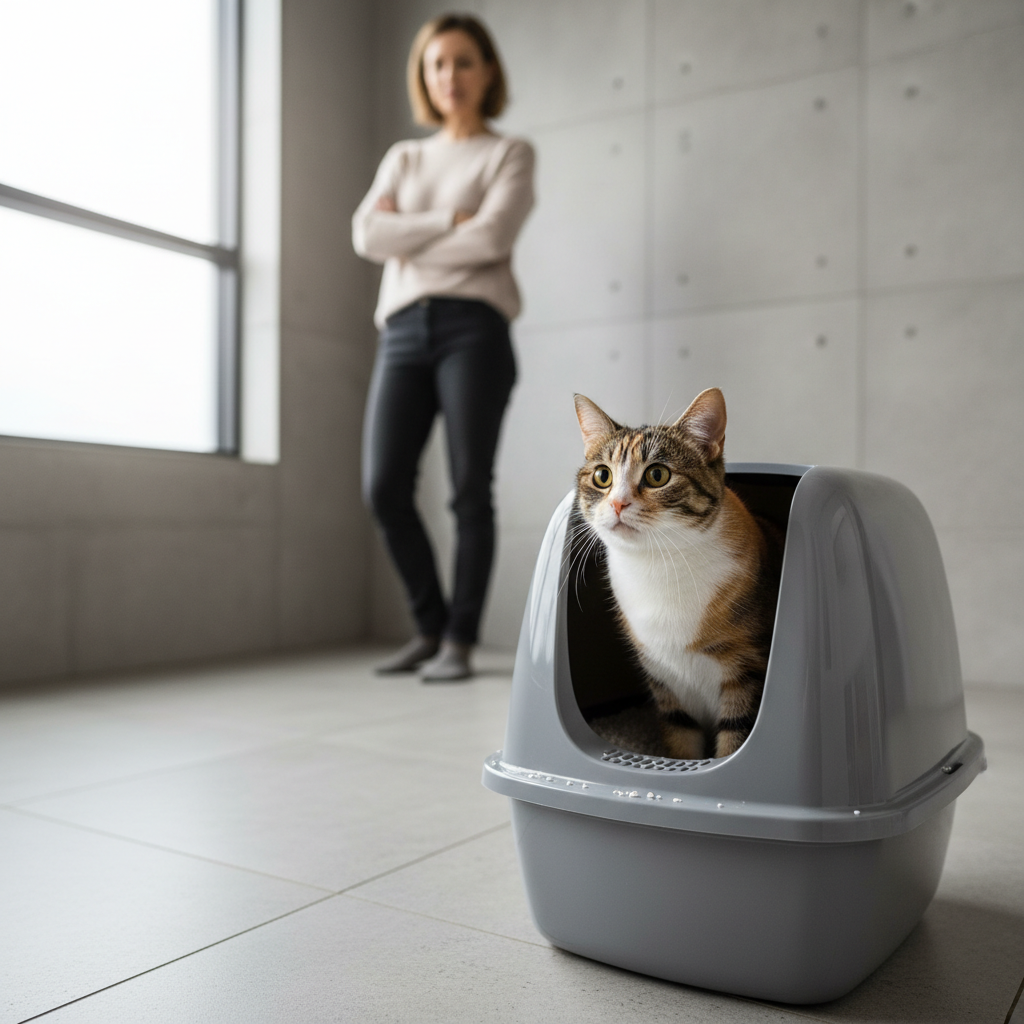
What constipation looks like in cats (and what it can be confused with)
Constipation usually means stool is hard, dry, and slow to pass. In daily life, it shows up as repeated litter box trips, straining, crying, or leaving the box with nothing to show for it.
- Common constipation signs: small hard stools, fewer stools than usual, straining, reduced appetite, hiding, vomiting in some cases.
- Often confused with: urinary blockage or urinary tract disease, which can look similar but is more urgent.
If your cat strains and produces little or no urine, treat it as an emergency. A blocked cat can decline fast, especially male cats.
According to the American Veterinary Medical Association (AVMA)... if you suspect your pet has a medical problem, contacting your veterinarian for guidance is recommended. That’s especially true when symptoms overlap, like straining that could be urinary, not bowel-related.
Quick “red flag” checklist: when to stop home care and call a vet
Home care has a place, but it has limits. If any item below fits, reach out to a veterinary clinic or urgent care.
- No stool for 48–72 hours, or your cat is repeatedly straining with no result
- Vomiting, lethargy, refusal to eat, or obvious abdominal pain
- Swollen belly, crying in the box, or sudden behavior change
- Possible foreign body (string, bones, toys) or toxin exposure
- Chronic constipation history, megacolon concern, or senior cat with other conditions
- Any concern for urination problems (tiny urine spots, none at all, blood)
According to the ASPCA Animal Poison Control Center... many human medications can be dangerous for cats, so it’s safer to ask before giving anything “over the counter,” even if it seems gentle.
Why cats get constipated (real-world causes that show up often)
Knowing the likely cause helps you choose the right next step. Many cases are a mix of factors, not one single trigger.
- Dehydration: cats on dry-only diets or cats that don’t drink much may produce drier stool.
- Low fiber or abrupt diet changes: some cats do better with a bit more fiber, others get worse if you add too much too fast.
- Hair ingestion: long-haired cats, heavy shedders, or cats that overgroom can accumulate hair in stool.
- Pain or mobility limits: arthritis, back pain, or obesity can make the litter box uncomfortable, so they “hold it.”
- Stress and routine disruption: moving, new pets, construction noise, or a box that isn’t cleaned enough.
- Medical issues: kidney disease, dehydration from illness, pelvic narrowing after injury, neurologic issues, or megacolon.
Many people focus only on food, but litter box setup matters too. A high-sided box, a basement-only location, or a box that smells strongly can quietly push a cat into constipation.
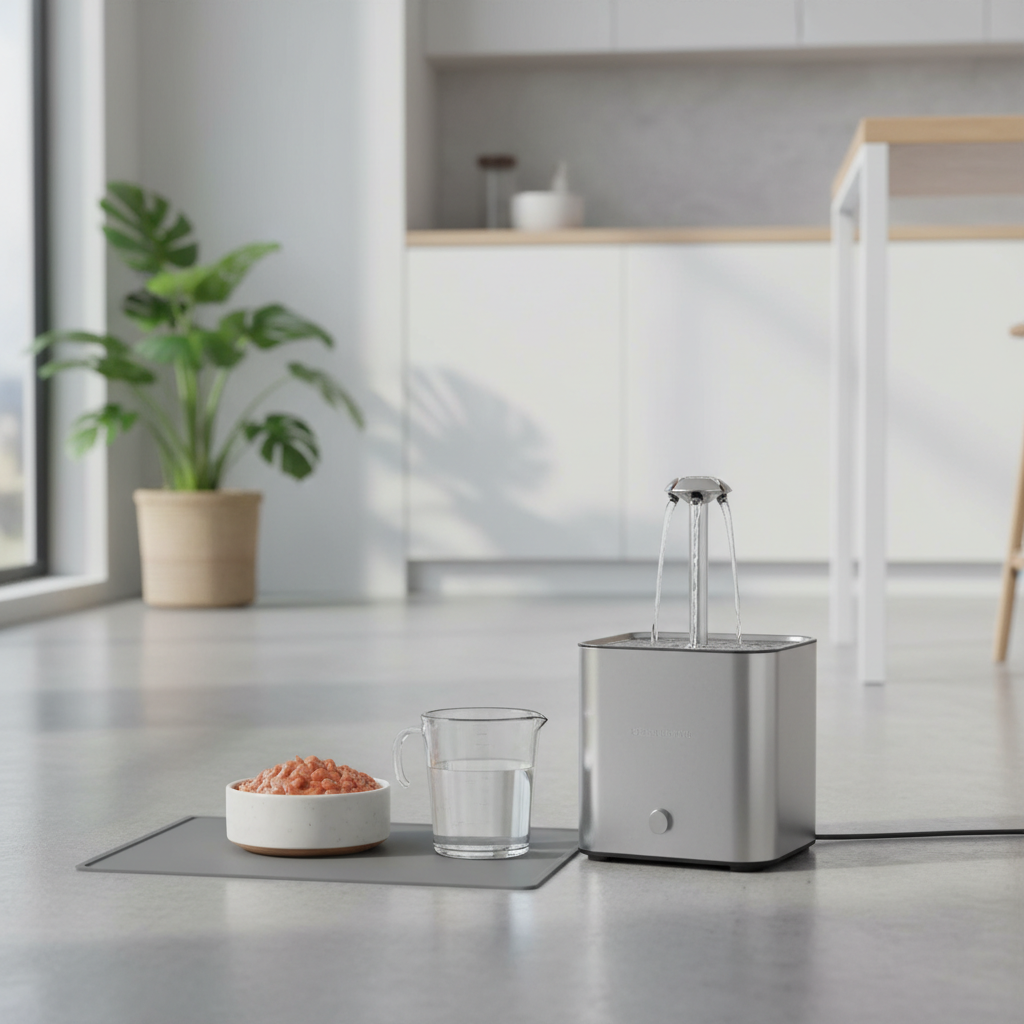
At-home steps that are usually worth trying (vet-safe basics)
How to treat a cat with constipation at home usually works best when you aim for softer stool and easier passage, not “making them go right now.” Go step by step, and keep changes small.
1) Increase hydration without a fight
- Switch some or all meals to wet food for a few days if your cat tolerates it.
- Add a little water to wet food to make a stew-like texture.
- Offer multiple water stations, and consider a pet fountain if your cat prefers moving water.
Hydration is often the biggest lever, especially if stools look like dry pebbles.
2) Gentle diet tweaks (small, temporary, and monitored)
- Fiber: some cats benefit from a veterinarian-recommended high-fiber diet, but too much fiber can backfire if dehydration is the real issue.
- Hairball control diets: can help if hair is part of the pattern, especially for long-haired cats.
- Consistent feeding schedule: predictable meals can help predictable bowel habits.
3) Improve the litter box situation
- Make the box easy to access, especially for seniors, use low entry if needed.
- Keep boxes clean, strong odors can make cats avoid going.
- Provide enough boxes, many households do better with one per cat plus one extra in different locations.
4) Light movement and comfort
Gentle play can stimulate gut motility. If your cat looks painful, don’t push exercise, pain-related constipation often needs veterinary pain control and a safer plan.
What to ask your veterinarian about (and what to avoid doing yourself)
Some constipation treatments are effective but should be guided by a professional because dosing and product choice matter.
Common veterinary options (discuss, don’t guess)
- Stool softeners or osmotic laxatives formulated and dosed for cats
- Prescription GI diets tailored to constipation, weight, or kidney concerns
- Subcutaneous fluids for cats that chronically under-hydrate
- Enemas performed by veterinary staff when needed
- Pain management if arthritis or injury drives litter box avoidance
According to the American Animal Hospital Association (AAHA)... pet medications and dosing should be guided by a veterinarian, because cats metabolize drugs differently than humans and small errors can carry bigger risk.
Things that often cause trouble
- Human laxatives or “leftover” prescriptions, many are unsafe for cats
- Mineral oil by mouth, aspiration risk can be serious
- Forcing an enema at home, can injure the rectum or use unsafe solutions
- Large diet changes overnight, can cause diarrhea or food refusal
Practical monitoring: how to know if it’s improving
You don’t need to track everything, but a little structure helps you decide when to keep going and when to escalate care.
- Output: any stool passed, size and hardness
- Effort: less straining, fewer repeated box trips
- Appetite and energy: returning toward normal is a good sign
- Hydration clues: wet food intake, water interest, gum moisture
Key point: a tiny hard stool after a day of constipation can be progress, but if straining continues, don’t assume the job is done.
Decision table: what to do based on what you’re seeing
This is a simple way to match symptoms to next steps. When in doubt, call your veterinary clinic, many will advise you by phone about urgency.
| What you notice | What it might mean | Reasonable next step |
|---|---|---|
| Small hard stools, mild straining, acting mostly normal | Early constipation, dehydration, minor diet issue | Increase hydration, add wet food, optimize litter box, monitor 24 hours |
| No stool for 48 hours, reduced appetite | Moderate constipation, possible pain or underlying disease | Call veterinarian for guidance on cat-safe stool softeners and evaluation timing |
| Repeated straining with little/no urine | Possible urinary blockage | Emergency visit now |
| Vomiting, lethargy, painful belly | Severe constipation, obstruction risk, dehydration | Urgent veterinary evaluation, avoid home laxatives |
| Constipation keeps returning | Chronic issue, megacolon, diet mismatch, mobility pain | Schedule exam, discuss long-term plan, diet, hydration support |
Key takeaways and a simple action plan
If you’re trying to figure out how to treat a cat with constipation, keep it simple and safe, confirm it’s stool not urine, support hydration, and avoid risky DIY meds.
- Today: check the box for urine output, note stool size and effort, switch to wet food and add water.
- Next 24 hours: improve litter box access and cleanliness, encourage gentle movement, monitor appetite.
- Call a veterinarian if: no stool within 48–72 hours, vomiting, pain, lethargy, or any concern for urinary blockage.
If you want one clear next step, it’s this, take a quick video of the litter box behavior and write down last stool timing, that information makes a veterinary call far more productive.
FAQ
- How long can a cat go without pooping before it’s serious?
Many cats should be evaluated if there’s no stool for about 48–72 hours, earlier if your cat seems unwell, vomits, or strains with no result. - How do I tell constipation from a urinary blockage?
Both can look like straining. If your cat produces little or no urine, or cries and can’t settle, treat it as urgent and contact emergency care. - Is pumpkin safe for cat constipation?
Some cats tolerate small amounts of plain pumpkin, but results vary and it can worsen things if dehydration is the main issue. Ask your veterinarian for a dose that fits your cat. - Should I give my cat olive oil or mineral oil?
It’s generally not a great DIY route, especially mineral oil because aspiration can be dangerous. It’s safer to discuss cat-specific options with a veterinarian. - What food helps constipated cats poop?
Wet food and added water often help because hydration softens stool. Some cats benefit from prescription GI diets, others need a different approach if there’s kidney disease or weight issues. - Can hairballs cause constipation?
Hair can contribute, particularly in long-haired cats or heavy groomers. Hairball diets and grooming can help, but repeated constipation still deserves a medical workup. - My cat pooped a little but still strains, what now?
Partial output can happen when stool remains backed up. If straining continues, appetite drops, or your cat seems painful, call your veterinarian rather than repeating home remedies.
If you’re dealing with repeat episodes and you’d rather not guess, your veterinarian can help you build a simple constipation plan with the right diet, hydration support, and cat-safe medications for your specific situation.