
How to reduce cat shedding naturally usually comes down to two things: supporting healthy skin and coat from the inside, and removing loose hair before it lands on your couch.
If you feel like you’re vacuuming every day, you’re not imagining it, cats shed year-round and often ramp up with seasonal shifts, indoor heating, stress, or small changes in routine. The good news, in many homes you can make a noticeable dent without anything harsh or complicated.
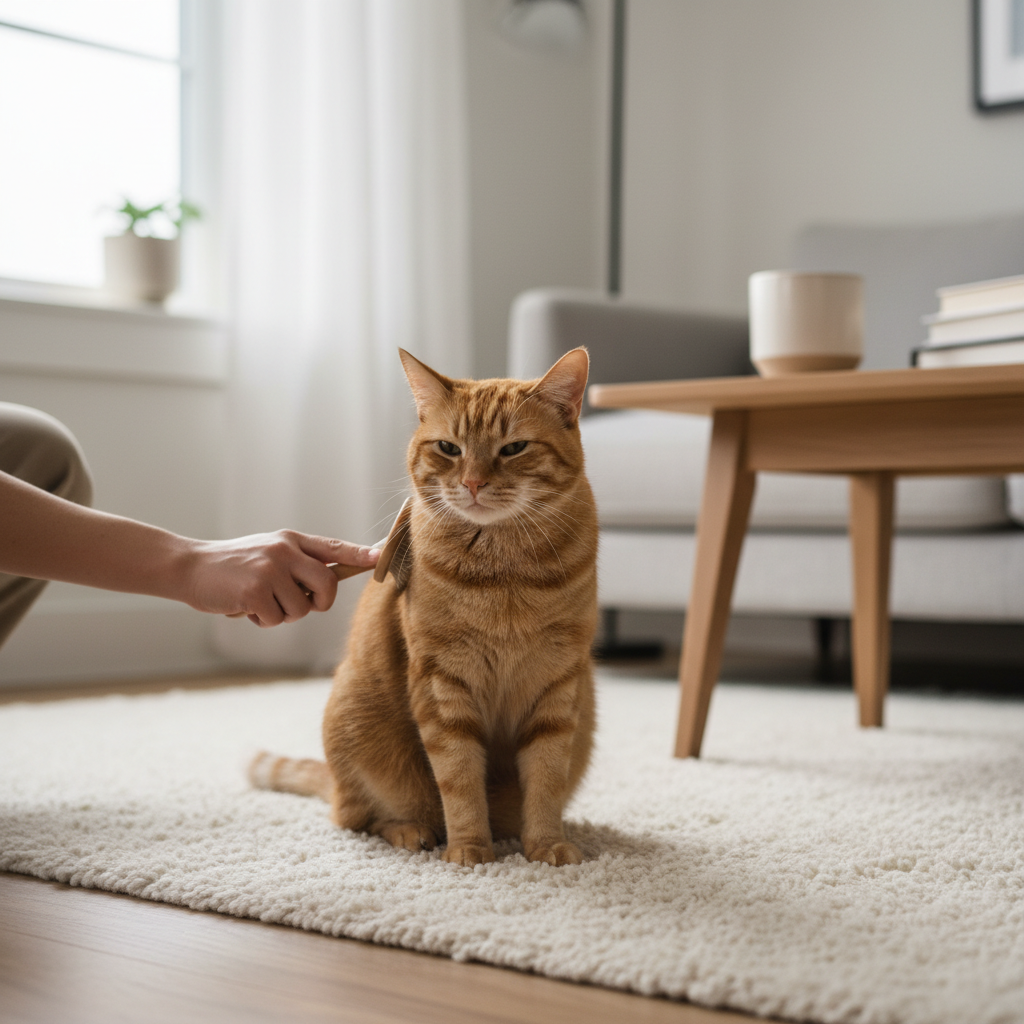
One quick reality check though: you can reduce loose fur, but you can’t turn a heavy-shedding cat into a “no-shed” cat. What you’re aiming for is fewer tumbleweeds, fewer hairballs, and a coat that looks and feels better.
Below is a practical plan you can follow, plus a simple way to tell when shedding might point to a health issue that deserves a call to your veterinarian.
Why cats shed so much (and what “normal” looks like)
Shedding is normal, cats constantly replace old hair with new. Indoor cats often shed more evenly all year because artificial light and stable temperatures blur seasonal cycles.
That said, shedding can look “extra” when something nudges the skin or coat off balance. Common real-world triggers include:
- Season changes and indoor heat drying out skin
- Low humidity or frequent hot air from vents
- Diet that doesn’t suit the cat, leading to dull coat or flaky skin
- Stress (new pet, move, schedule shifts), some cats overgroom
- Parasites like fleas, even a small number can cause major itching
- Underlying medical issues such as allergies or hormone-related problems
According to the American Veterinary Medical Association (AVMA), regular grooming and appropriate veterinary care are important parts of keeping pets healthy, including skin and coat health. In other words, “natural” can still be structured and evidence-informed.
Quick self-check: is your cat’s shedding likely manageable at home?
Before you buy tools or change food, take two minutes to categorize what you’re dealing with. This keeps you from chasing the wrong fix.
Most shedding is likely routine if you see:
- Even hair loss with no bald patches
- Normal appetite and energy
- No strong itchiness, scabs, or red skin
- Coat looks healthy after brushing
Consider veterinary advice sooner if you notice:
- Bald spots, thinning areas, or “barbering” from overgrooming
- Heavy dandruff, greasy coat, or strong odor
- Intense scratching, head shaking, or skin sores
- Sudden shedding spike lasting more than a couple weeks
- Weight change, vomiting/diarrhea, or behavior changes
When the skin is angry, you can brush forever and still feel like nothing improves, that’s usually your cue to pause DIY and get a professional read.
Natural grooming routines that actually reduce loose fur
If you want to know how to reduce cat shedding without turning your house into a grooming salon, consistency beats intensity. A short routine done often is what moves the needle.
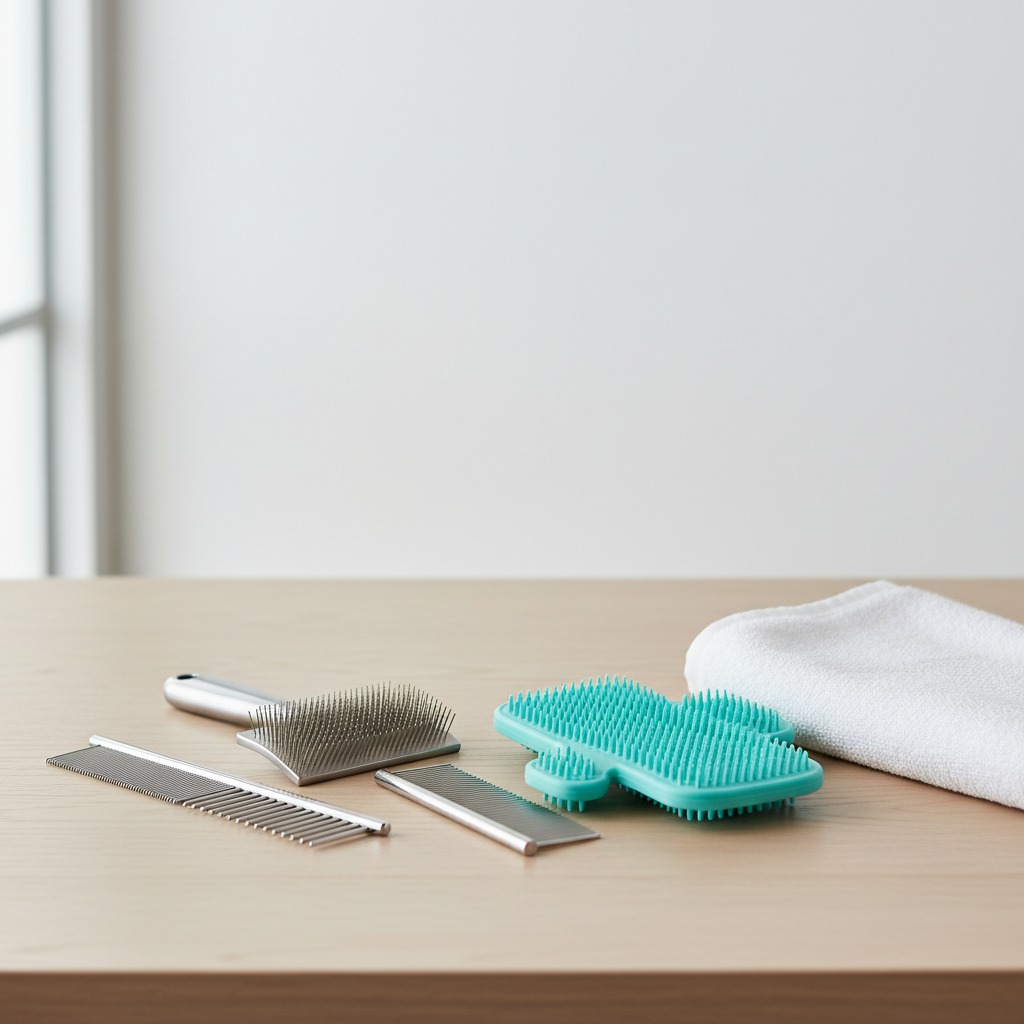
Pick the right tool for your cat’s coat
- Short hair: rubber grooming mitt or soft bristle brush 2–4 times/week
- Medium/long hair: wide-tooth comb plus slicker brush most days
- Undercoat-heavy cats: an undercoat rake can help, but use gently and not too often to avoid irritation
A common mistake is using a tool that feels “effective” but scratches the skin. If your cat starts avoiding you, swatting, or acting tense, scale back pressure and switch tools.
A simple 5-minute routine
- Start at the shoulders and work toward the tail with light strokes
- Comb the “friction zones” where mats start: armpits, belly edges, behind ears
- Finish with a quick wipe using a slightly damp hand or microfiber cloth to pick up fine hair
If your cat tolerates it, a warm, damp cloth wipe once or twice a week can reduce static and catch loose hair, it’s “natural,” cheap, and surprisingly effective.
Nutrition: the inside-out approach to a healthier coat
When people ask how to reduce cat shedding naturally, diet is where they often either overthink it or ignore it. The goal is not a trendy ingredient list, it’s a cat that maintains a stable, glossy coat and normal stools.
What matters most
- Complete and balanced food appropriate for your cat’s life stage
- Adequate protein, cats are obligate carnivores, coat quality depends on amino acids
- Essential fatty acids (omega-3 and omega-6), which support skin barrier function
- Hydration, many cats run dry, especially on dry-only diets
According to the American Animal Hospital Association (AAHA), nutrition is a core pillar of preventive care and can influence skin and coat condition. If your cat’s fur looks brittle or you see flaking, it’s reasonable to look at diet before buying “miracle” sprays.
Food and supplement choices, with guardrails
- Wet food addition: for many cats, adding some wet food improves hydration and coat softness
- Fish oil: may help some cats, but dosing matters and not every cat tolerates it, ask your veterinarian before starting
- Novel protein or limited-ingredient diets: can be useful if allergies are suspected, but should be guided by a professional plan
Be cautious with “skin and coat” treats that stack multiple supplements at once. Too much of certain vitamins or fats can backfire, and the coat might look worse, not better.
Home environment tweaks that cut fur and support skin
Some shedding isn’t about the cat at all, it’s about dry air, dusty surfaces, and hair that has nowhere to go but onto fabric.

Small changes that make a big difference
- Increase humidity: in dry climates or winter, a humidifier can reduce flaky skin for some cats
- Use washable throws on favorite sleeping spots, rotate and launder weekly
- Vacuum strategy: focus on cat “highways” and lounging zones, not the entire house daily
- Air filtration: a HEPA purifier can capture airborne hair and dander, helpful for mess and allergies
If your cat sleeps in one or two predictable places, lean into that. Giving them “approved” cozy spots often reduces fur spread more than any single product.
Hairballs, overgrooming, and stress: the hidden shedding multipliers
Sometimes what looks like heavy shedding is actually hair being pulled out through licking. Stress and boredom can turn grooming into a coping habit.
Signs your cat may be overgrooming
- Thinning hair on belly, inner legs, or along the sides
- Frequent licking that seems hard to interrupt
- More hairballs or gagging
What to try at home
- Predictable play: 10 minutes twice a day often helps more than one long session
- Food puzzles: slow feeding gives the brain something to do besides grooming
- Brush + reward: pair grooming with a favorite treat so it stays low-stress
According to the American Association of Feline Practitioners (AAFP), environmental enrichment supports feline wellbeing and can reduce stress-related behaviors. If you suspect anxiety, solving the environment piece can be as important as brushing.
At-a-glance plan: what to do this week
If you want a clear starting point, here’s a realistic weekly plan that fits most households. Adjust based on coat length and how tolerant your cat feels.
| Goal | What to do | Frequency | What to watch for |
|---|---|---|---|
| Remove loose fur | Brush with appropriate tool, finish with damp cloth wipe | 3–6x/week | Skin redness, cat avoiding brush |
| Support skin barrier | Review diet, add wet food if appropriate | Daily | Stool changes, appetite shifts |
| Reduce airborne hair | HEPA filter in main room, washable throws | Continuous / weekly wash | Filter maintenance schedule |
| Lower stress grooming | Short play sessions, enrichment | Daily | Persistent thinning areas |
| Catch medical issues early | Flea checks, skin scan during brushing | Weekly | Scabs, bald spots, strong odor |
Common mistakes that keep shedding high
- Bathing too often: some cats do worse with frequent baths, dry skin can increase flaking and loose hair
- Switching foods too quickly: abrupt changes can upset digestion and complicate coat issues
- Ignoring fleas “because I don’t see any”: one or two fleas can still trigger itching in sensitive cats
- Brushing past your cat’s tolerance: stress can increase shedding, keep sessions short and end on a calm note
- Chasing one magic fix: shedding control usually improves when grooming, diet, and environment line up together
Key takeaways (so you don’t overcomplicate it)
- Brush the right way, more often, and focus on comfort, not force.
- Feed for skin and coat stability, consider hydration and fatty acids, and go slow with changes.
- Fix the room with humidity, washable covers, and filtration if fur is everywhere.
- Escalate when you see red flags like bald patches, sores, or sudden shedding spikes.
Conclusion: a natural shedding plan you can stick with
How to reduce cat shedding naturally is less about fancy products and more about steady habits: a calm grooming routine, nutrition that supports skin, and a home setup that doesn’t let hair accumulate unchecked.
If you pick just two actions for the next seven days, make it this: brush briefly but consistently, and tighten up your cat’s main lounging zones with washable throws and targeted cleaning. Then reassess, many households see improvement when they stop treating shedding like a one-time project.