
How to stop cat from biting usually comes down to two things: figuring out what “kind” of bite you’re dealing with, and changing the moments right before the bite happens. Most cats aren’t being “mean”, they’re communicating with the only tool they have, teeth and body language.
If you’ve got kids at home, frequent guests, or a cat who bites hard enough to break skin, this stops being an annoyance and becomes a safety issue. The good news is that many biting patterns respond well to consistent, humane training and better handling.

Below you’ll learn the most common reasons cats bite people, a quick self-check to identify your scenario, and step-by-step fixes you can actually stick with. I’ll also flag the situations where you should loop in your veterinarian or a qualified behavior pro, because sometimes biting is a symptom, not the main problem.
Identify the type of biting (it changes the solution)
Not all bites mean the same thing. If you treat every bite like “aggression,” you can accidentally make things worse, especially with fear-based behavior.
- Play biting: often with stalking, pouncing, grabbing hands/ankles, usually during high energy times.
- Petting-related bites (overstimulation): happens mid-pet, your cat goes from “fine” to “done” quickly.
- Fear/defensive bites: triggered by fast hands, cornering, loud environments, unfamiliar people.
- Redirected bites: your cat is upset by something else (another cat outside, a noise) and bites the nearest human.
- Pain-related bites: touch a sore spot, pick up, brush, or handle, bite happens consistently with that contact.
According to the American Veterinary Medical Association (AVMA), punishment-based responses can increase fear and anxiety in pets, which often worsens behavior problems. In practice, biting reductions usually come from prevention, redirection, and changing the cat’s emotional state, not “winning a battle.”
Why cats bite people in real life (common triggers)
People often assume a cat bites “out of nowhere.” But most cases have a short lead-up that’s easy to miss until you start looking.
- Hands become toys: rough play, finger wiggling, and “wrestling” teaches your cat that skin is fair game.
- Overstimulation builds fast: some cats love two minutes of petting, then get flooded by sensation.
- Unmet hunting needs: a bored indoor cat often uses ankles as moving prey.
- Stress stacks: changes in routine, guests, construction noise, multi-cat tension, or limited hiding spots.
- Handling that feels unsafe: scooping up without support, hugging, belly rub attempts, blocking exits.
- Medical discomfort: dental pain, arthritis, skin irritation, urinary discomfort, and more can lower tolerance.
According to the American Association of Feline Practitioners (AAFP), feline stress and environmental needs play a major role in behavior issues, and enrichment plus predictable routines can reduce conflict behaviors, including biting in many households.
Quick self-check: which situation are you in?
If you want to know how to stop cat from biting without guessing, start with this fast checklist. You’re looking for patterns, not perfection.
Pattern questions
- Does biting happen most during play, especially with hands or feet?
- Does it happen during petting, often after a similar time window?
- Is it mostly with one person or with everyone?
- Does it spike when your cat sees another cat outside or hears specific noises?
- Is there a specific body part or handling action that triggers biting?
- Any recent changes: moving, new roommate, new baby, schedule shift, new animal?
Body language to watch right before a bite
- Tail tip flicking or thumping
- Skin twitching along the back
- Ears turning sideways or back
- Pupils dilating, stare gets “hard”
- Sudden pause, body goes stiff
If you see these signs, you’re not “losing affection,” you’re catching the moment to stop interaction early, which prevents the bite and teaches your cat that you listen.
What to do in the moment (without escalating)
When a bite happens, your goal is to end the interaction calmly and remove reinforcement. Big reactions can turn biting into a powerful game or a fear response.
- Freeze for 2–3 seconds: stop moving your hand/arm, because movement can trigger more chasing.
- Go quiet: avoid yelling, squealing, or fast pulling away if possible.
- Gently disengage: if your cat is latched, avoid yanking. You can push slightly toward the bite to reduce tearing, then create space.
- End access: stand up and step away, or calmly place a pillow/blanket between you and your cat.
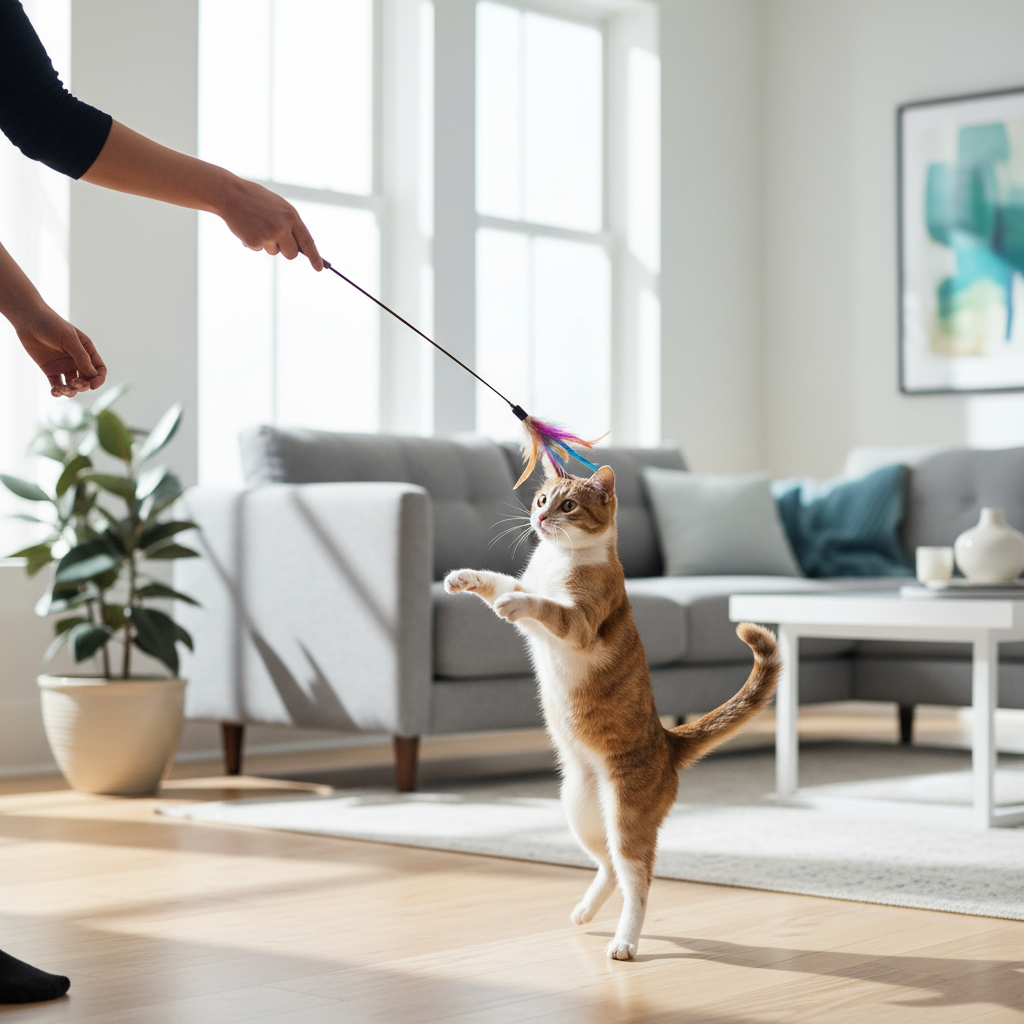
- Reset with a legal outlet: toss a toy away from you, or use a wand toy once your cat has cooled down.
For kids, “be a tree” works surprisingly well: arms in, still body, eyes away, then walk to an adult. It removes the chase reward.
Step-by-step solutions by scenario
This is the part most people want: what to change at home so biting fades instead of repeating. Pick the scenario that matches your pattern and run it for at least two weeks.
If it’s play biting
- Stop using hands as toys: no wrestling, no “hand under the blanket,” no finger tapping games.
- Schedule two short play sessions daily: 10–15 minutes with a wand toy, end with a small treat or meal to mimic hunt-eat.
- Use distance toys: wand toys, kicker toys, rolling toys. Keep skin out of the game.
- Teach a default behavior: when your cat targets ankles, toss a toy down the hallway and praise when they switch targets.
A small but real shift: if your cat attacks feet when you walk, add a toy “station” in that hallway. Many cats just need a better place to spend that energy.
If it’s petting-related (overstimulation)
- Pet for less time: stop while it’s still good, not when your cat is already at the edge.
- Focus on safer zones: cheeks, chin, base of ears often stay tolerable longer than belly or lower back.
- Try consent testing: pause every 10–20 seconds, if your cat leans in, continue, if they turn away, stop.
- Reward calm: give a small treat after short, successful petting so “gentle contact” predicts good outcomes.
If it’s fear or defensive biting
- Stop forcing contact: no grabbing from hiding spots, no cornering, no “just let them smell your hand” pressure.
- Create escape routes: open pathways, add cat trees, shelves, or a quiet room with resources.
- Pair people with good stuff: treats tossed (not hand-fed at first), calm voices, slow sideways body posture.
- Lower the intensity: shorter sessions, more distance, fewer sudden movements.
With fear cases, progress can look boring, and that’s good. “No bite happened” is the win you’re stacking.
If it’s redirected biting
- Block the trigger: window film, curtains, or moving furniture away from the window where outdoor cats appear.
- Interrupt early: if you see stalking at the window, redirect with a wand toy away from the trigger.
- Do not pick up an aroused cat: hands near a stressed cat are the usual victim.
- Add a decompression routine: play, then food, then a quiet rest spot after a triggering event.
A simple plan you can follow (with a table)
If you’re overwhelmed, use this weekly structure. It’s not fancy, but it’s realistic for most households.
| Situation | What you change | What success looks like |
|---|---|---|
| Play biting | 2 daily wand-toy sessions, no hand play, add kicker toys | Fewer ankle ambushes, softer mouth, faster redirection |
| Petting bites | Shorter petting, consent pauses, treat after calm contact | Cat leaves without biting, clearer “done” signals |
| Fear bites | More hiding spots, less forced handling, treat tossing | Cat stays in room longer, less hissing/stiffness |
| Redirected bites | Reduce window triggers, redirect earlier, avoid picking up | Cat recovers faster after triggers, fewer surprise bites |
| Pain-related bites | Vet check, gentle handling, avoid sore-touch routines | Improved tolerance once discomfort addressed |
Key point: you’re not trying to “teach no biting” in a vacuum, you’re teaching what to do instead, and removing the situations that set biting up.
Common mistakes that keep bites going
- Using hands to “correct”: scruffing, tapping the nose, or holding the cat down often increases fear and teaches stronger defense.
- Inconsistent rules: one person allows hand play, another punishes it, the cat stays confused and aroused.
- Punishing after the fact: cats rarely connect delayed punishment to the bite, they connect it to you.
- Ignoring the bite context: fixing petting bites with more play, or fixing play bites with less petting, misses the real trigger.
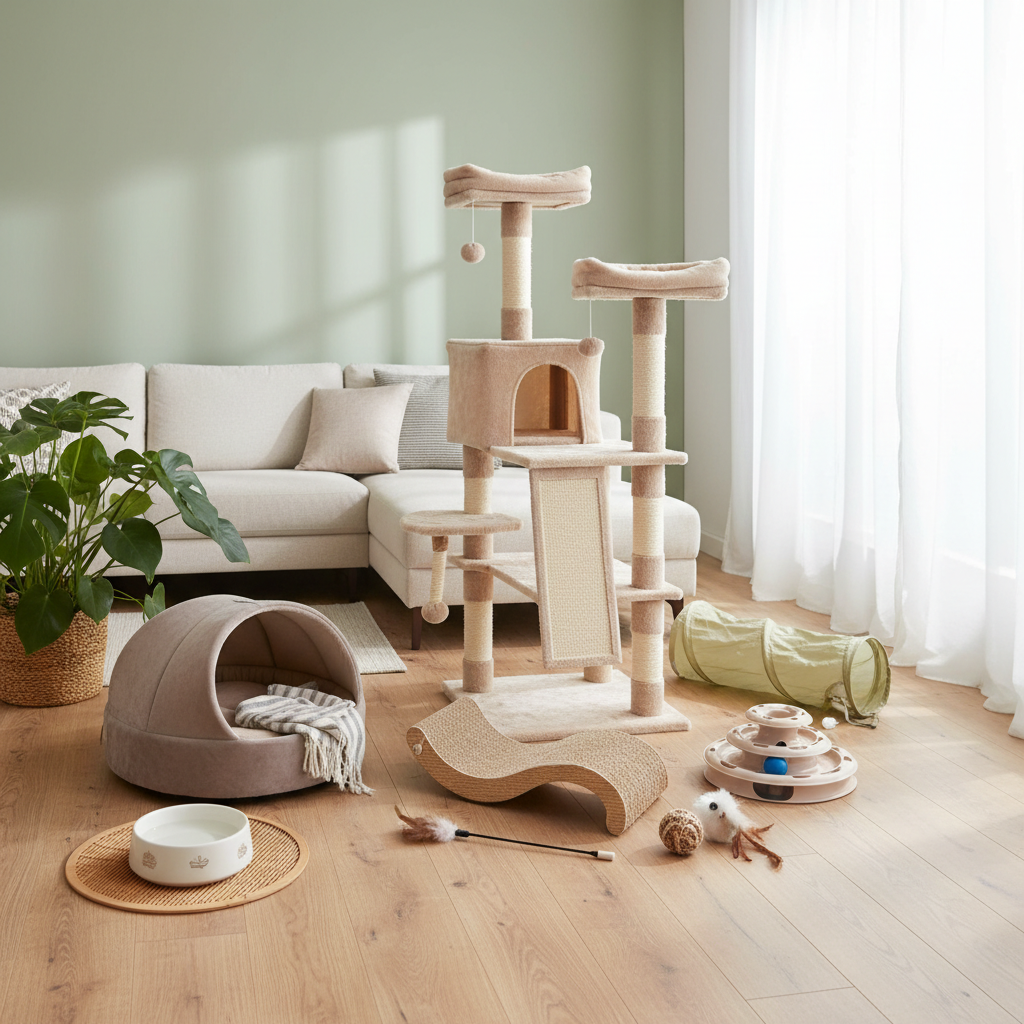
- Skipping enrichment: many homes need more vertical space, scratching options, and predictable play than people expect.
According to the ASPCA, physical punishment can damage the bond and increase fear in cats, so behavior plans usually focus on redirection and positive reinforcement instead.
When to get a vet or behavior professional involved
If you’re trying to figure out how to stop cat from biting and the bites are severe or sudden, don’t treat it as “just behavior” forever. A health check can save months of frustration.
- Any bite that breaks skin frequently, or bites aimed at the face
- Sudden behavior change in an adult cat, especially if they used to be tolerant
- Touch sensitivity around hips, mouth, belly, or back that seems new
- Household risk factors: small children, immunocompromised family members, high visitor traffic
- Multi-cat conflict where biting happens during tension or after window triggers
A veterinarian can rule out pain and may suggest behavior medication in some cases, and a certified behavior consultant can build a plan tailored to your home layout and your cat’s triggers. If you ever feel unsafe handling your cat, that’s enough reason to ask for help.
Conclusion: make biting less rewarding and calm more automatic
Most cats bite for a reason that makes sense in cat logic, even if it feels personal in the moment. If you match the fix to the bite type, lower triggers, and give your cat a better outlet, you usually see improvement without turning your home into a battle zone.
Pick one plan to start this week: swap hand play for wand play, shorten petting sessions with consent pauses, or reduce a specific trigger like window stress. Keep a simple note of when bites happen, patterns show up faster than you’d think, and that clarity makes the next step obvious.