
Sugar glider play tent setups can be a game-changer for bonding, but they also come with a familiar headache: gliders that won’t settle, constant escape attempts, or nervous crabbing the moment you zip the door.
A soft hide inside the tent is often the missing piece, it gives your glider a “home base” so playtime feels safe instead of exposed. The catch is that not every hide is tent-friendly, and the wrong materials or attachment points can turn into safety issues.
This guide breaks down what a play-tent soft hide should do, how to choose one without overthinking it, and how to set it up so your glider uses it instead of treating it like a chew toy or a launch pad.
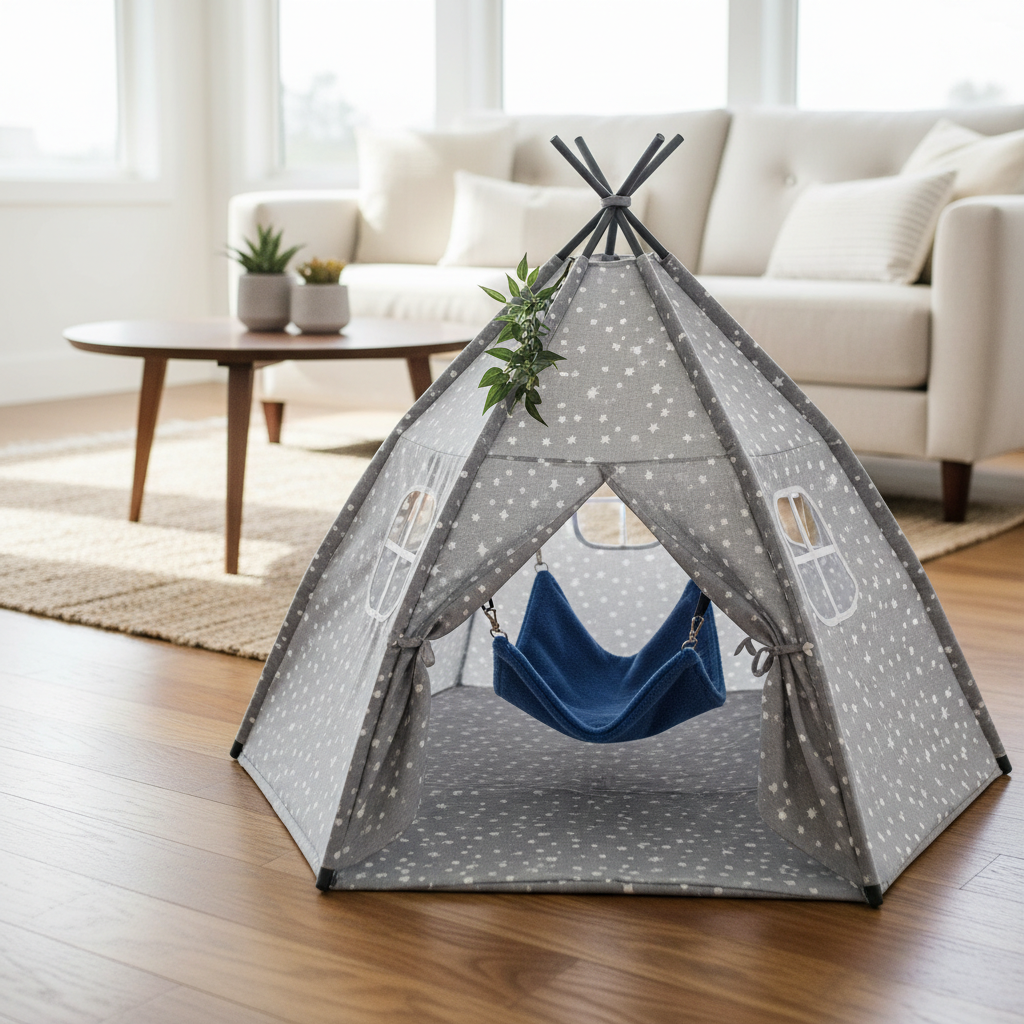
What a Play Tent Soft Hide Should Actually Do
The best soft hide for a tent is less about “cute designs” and more about behavior management. Sugar gliders are prey animals, when they feel exposed, they usually look for vertical cover, dark corners, and familiar scent.
- Create a safe base so your glider can reset between exploring and bonding.
- Reduce panic running inside the tent, less ricocheting means fewer accidental bumps and grabs.
- Support bonding, many gliders tolerate handling better when they can retreat without “losing” the session.
- Keep the tent cleaner by giving them a preferred potty and rest spot you can swap and wash.
One practical expectation: in a sugar glider play tent, the hide is not just decor, it’s the anchor that makes the whole space feel like “their territory” instead of a trap.
Common Problems (and Why They Happen)
If your tent sessions feel chaotic, it’s usually not because your glider is “bad,” it’s because the environment doesn’t match how gliders self-regulate.
No hide, or the hide feels unsafe
A bright tent with no dark retreat often triggers constant climbing and frantic laps. A hide that swings wildly or sits low on the floor can also feel unstable, so they avoid it.
Too many exits and grab points
Mesh seams, zipper corners, loose stitching, and dangling clips become “projects.” Some gliders fixate on chewing or digging at those spots instead of interacting with you.
Scent and novelty overload
New fabric smells, detergent residue, or unfamiliar textures can make some gliders cautious. Many do better when the soft hide carries familiar colony scent.
Stress from timing
Tent time right after a big cage change, a diet shift, or a nail trim can stack stress. Even a great soft hide won’t fully fix that, it just helps.
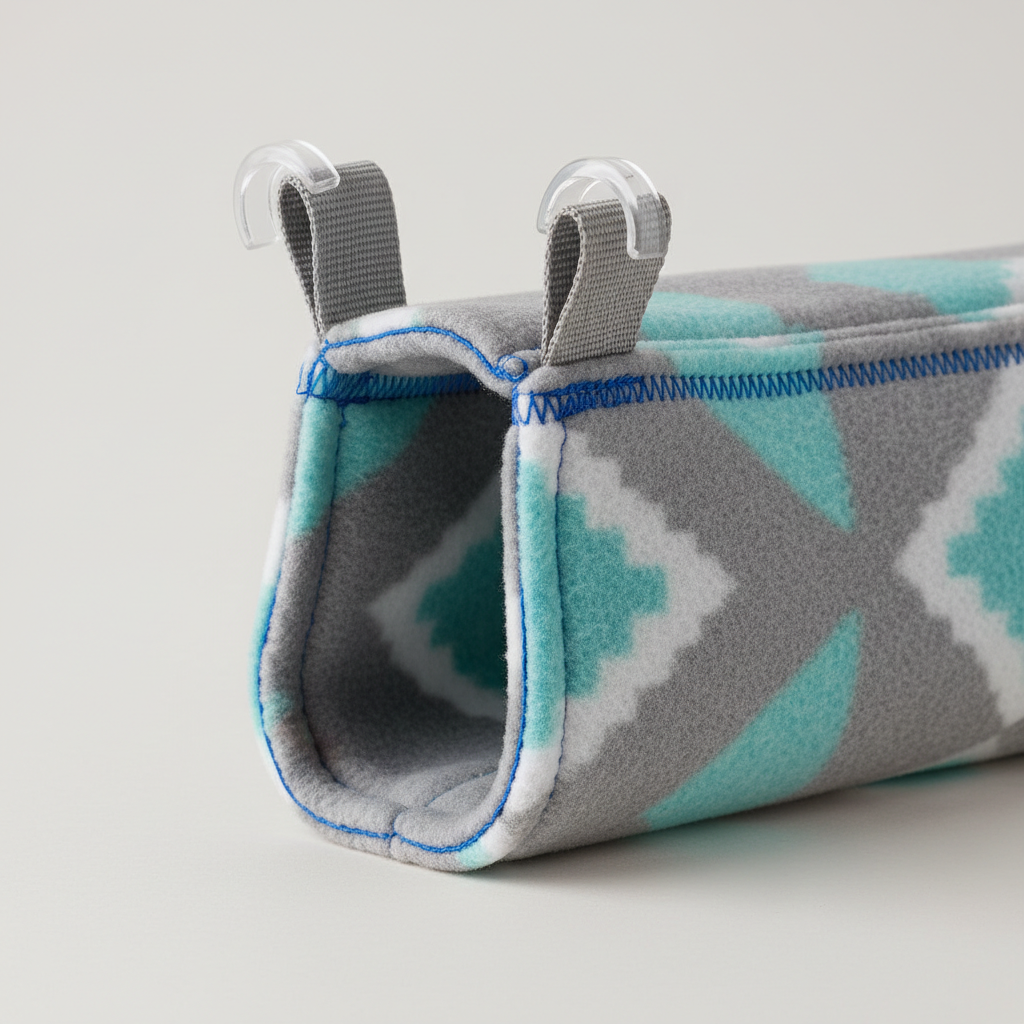
Quick Checklist: Is Your Soft Hide a Good Fit for Tent Play?
Use this as a fast “yes/no” filter before you buy or before you blame your glider for ignoring it.
- Material: Anti-pill fleece (or similarly non-fraying fabric) rather than loose-knit or fuzzy fabrics that can shed threads.
- Seams: No exposed long threads, no decorative tassels, no rope accents.
- Openings: One or two entrances, not a maze of holes that invites tangling.
- Attachment: Two-point hanging preferred so it doesn’t spin and swing, clips should close fully.
- Size: Enough room for a pair or small group to pile, but not so huge it collapses into a flat blanket.
- Washability: Easy to machine wash, because tent hides get messy faster than cage pouches.
According to AVMA (American Veterinary Medical Association), safe housing and handling choices matter for small mammals, and reducing stress and injury risk is part of responsible care. A stable, non-fraying soft hide is a small detail that can make tent time safer.
Choosing a Sugar Glider Play Tent Soft Hide: What to Prioritize
Most buyers get stuck comparing patterns. I’d prioritize function in this order: safety, stability, then comfort.
1) Fabric safety over softness
“Soft” should still be structured enough to hold shape. Fleece is common because it tends not to fray like woven cotton. If you choose any non-fleece option, check edges and stress points closely.
2) Stable hanging points
Inside a sugar glider play tent, a hide that spins becomes a toy, and then it’s hard to settle them. Two top corners clipped to the tent frame or loops usually works better than a single center clip.
3) Easy entry for bonding
A wide, simple opening helps you offer a hand, a treat, or gentle scritches without turning the hide into a tug-of-war zone. If the opening is tiny, some gliders guard it.
4) “Scent strategy” compatibility
Pick a hide you can rotate: one clean, one “familiar.” Many gliders relax faster when the tent hide smells like their cage pouch.
Setup That Works: Step-by-Step Inside the Tent
You don’t need a complex layout. What you want is a predictable flow: hide, climbing route, and a calm interaction spot.
- Hang the hide high, roughly chest-to-shoulder height when you sit in the tent, so they choose it naturally.
- Clip two corners to reduce spinning, test by gently tapping it, it should sway, not whip around.
- Add one “bridge” (safe fleece vine or a short ladder) leading toward the hide rather than placing everything on the floor.
- Keep treats near the hide at first, so it becomes a rewarding location, not a place you steal them from.
- Limit distractions the first week, too many toys can prevent settling.
If your glider bolts when you unzip the tent, try starting with them already inside the familiar pouch, then place that pouch into the tent hide. It sounds obvious, but it often flips the whole mood.
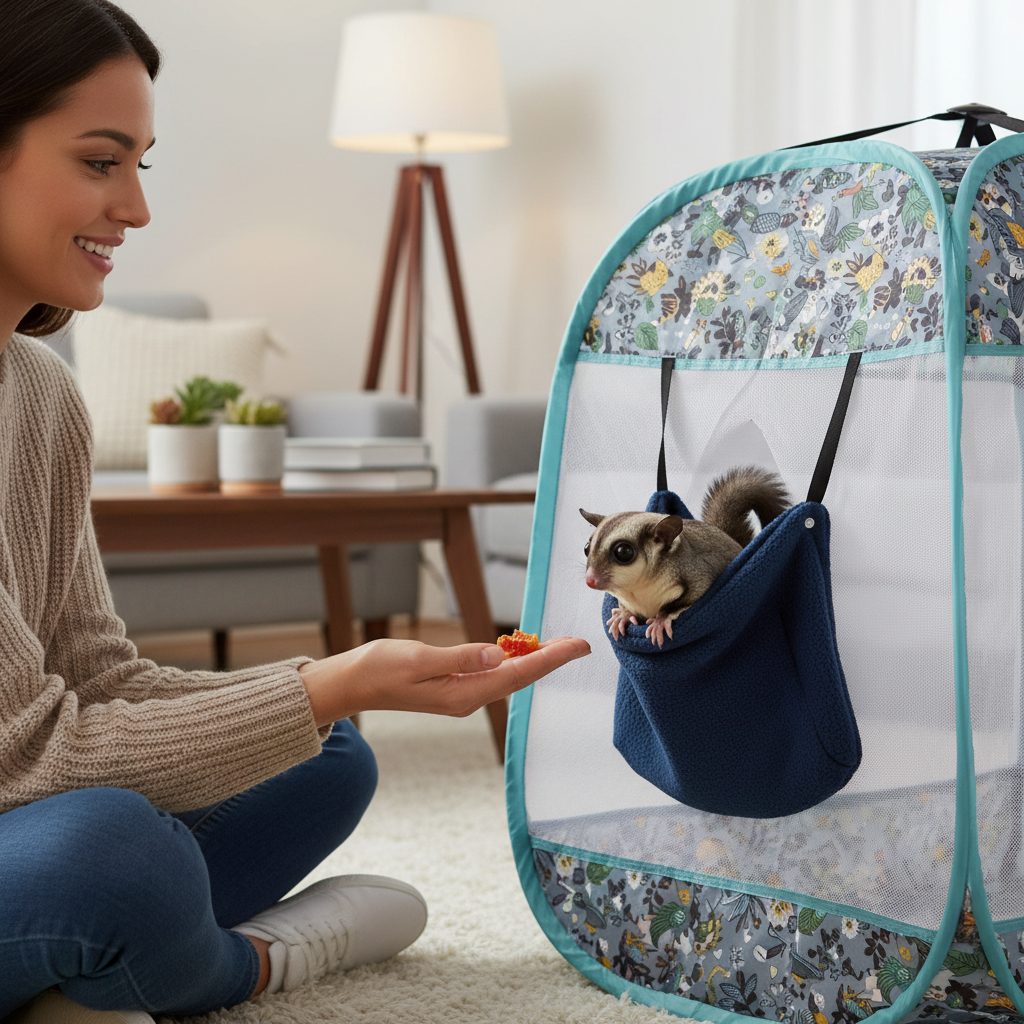
Soft Hide Options Compared (Quick Table)
There’s no single “right” style, but different shapes solve different problems in a tent.
| Soft hide type | Best for | Watch-outs |
|---|---|---|
| Hanging pouch (single opening) | Easy calming, quick retreat, simple setup | Can become “guarded” by some gliders |
| Corner hammock hide | Stability, less spinning, multi-glider lounging | Takes more space inside smaller tents |
| Cube hide (two openings) | Confident gliders, reduces bottlenecks | More seams, check stitching quality |
| Bonding scarf style (human-worn) | Direct bonding, scent familiarity | Needs close supervision, avoid loose strings |
Safety Notes and Common Mistakes (Worth Reading)
This part is less fun, but it’s where many tent setups go wrong.
- Loose threads are not “minor.” Gliders can snag nails or teeth. Trim and repair, or retire the hide.
- Avoid metal hardware that can pinch if it opens under twisting. Many owners prefer sturdy plastic clips, but quality matters either way.
- Don’t use scented detergents or fabric softener for tent items, residue can irritate sensitive animals in some cases.
- Don’t force “cuddle time” by blocking exits. In a sugar glider play tent, taking away retreat usually increases biting and crabbing.
- Supervise new items. The first few sessions tell you if your glider chews seams, dives at clips, or tries to burrow under fabric.
According to ASPCA, providing appropriate enrichment and a safe environment supports animal welfare. For tent play, “safe” often means fewer chewable parts, fewer tangles, and calmer pacing.
When to Get Extra Help
If tent time regularly ends in frantic behavior, repeated biting, or signs that look like panic, it’s reasonable to pause and reassess. Some gliders need a slower approach, and some may have health issues that show up as irritability.
- Persistent self-mutilation behaviors, or sudden aggression that feels out of character
- Appetite changes, weight loss, or lethargy around play sessions
- Repeated injuries from climbing, snagging, or fighting in the tent
In those cases, consider talking with an exotic veterinarian or an experienced sugar glider professional who can review housing, diet, and handling routines. It’s not overreacting, it’s just avoiding guesswork when the stakes are higher.
Key Takeaways + A Simple Plan for Your Next Session
If you want tent time to feel calmer fast, focus on the hide before you buy more toys. A stable, safe soft hide gives most gliders a predictable “reset button,” and that usually makes bonding easier.
- Pick a non-fraying, washable hide with clean seams and simple openings.
- Hang it high with two points so it stays steady inside the tent.
- Use familiar scent by rotating in a pouch your glider already likes.
- Keep sessions short until they consistently return to the hide on their own.
If you’re tweaking your sugar glider play tent setup this week, start by fixing the “home base” and keep everything else minimal, you’ll learn faster from your glider’s reaction.
FAQ
What size soft hide works best inside a play tent?
Most owners do well with a medium pouch that fits your glider pair comfortably without collapsing. If it’s too large, it can sag and swing, which some gliders dislike.
Where should I hang the hide in a sugar glider play tent?
Higher is usually better, as long as it’s still reachable and stable. A mid-to-upper position encourages them to use it as a safe perch rather than sprinting along the floor edge.
How do I get my sugar glider to use the new hide?
Start with familiar scent, place their usual pouch inside or rub the hide lightly with cage bedding. Then reward calm moments near the hide rather than trying to pull them out of it.
Is fleece always safe for sugar gliders?
Fleece is popular because it typically doesn’t fray, but quality varies. Check for loose threads, weak seams, and chewed areas, and replace items that start to break down.
Can I leave a tent hide in the cage afterward?
You can, but watch how your gliders interact with it overnight. Some items that are fine during supervised play become chew targets in the cage, especially if clips or seams are tempting.
How often should I wash the soft hide used for tent time?
Many people wash weekly or sooner if it gets soiled. If your glider is scent-sensitive, rotating between a “clean” hide and a “familiar” hide can prevent stress while still keeping hygiene reasonable.
What if my glider keeps chewing the hide or the clips?
That usually means the setup is too interesting in the wrong way. Try a simpler design with fewer edges, reposition clips out of easy reach, and reduce dangling parts, if chewing persists, switch the item.
If you’re putting together a more reliable tent routine and want fewer variables, it helps to choose a soft hide designed for stable hanging, easy cleaning, and minimal snag points, then build the rest of your play setup around that calm “home base.”