
Cat grass seed organic is usually the quickest way to give indoor cats a safe “chew target” that feels like real greenery, without sacrificing your houseplants or worrying about mystery coatings on seed. If your cat keeps nibbling pothos, lilies, or whatever looks like a snack, growing a small tray of cat grass often helps redirect that habit.
What people don’t always realize is that “fast grow” depends less on the label and more on basics like seed freshness, soaking, temperature, and how wet the surface stays. You can do everything “right” and still get patchy growth if the seed is old or the tray stays soggy.
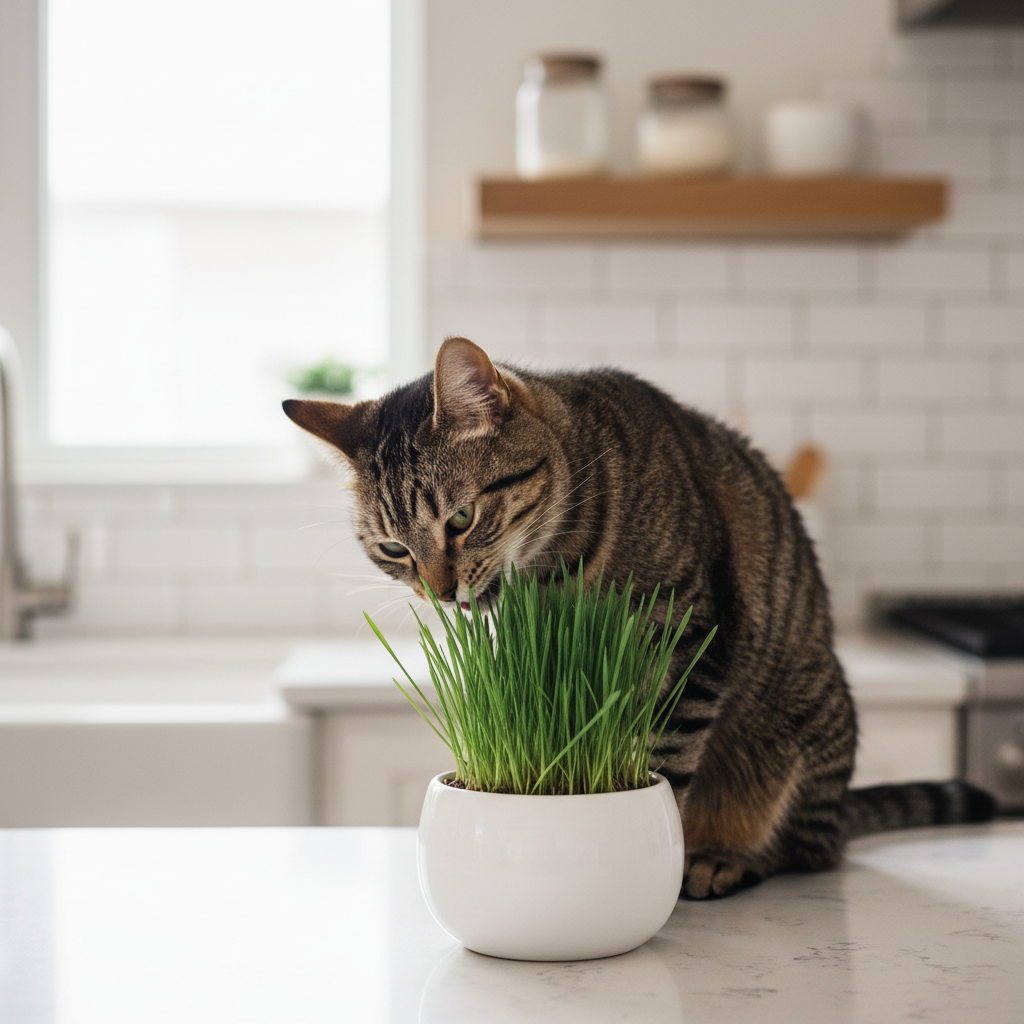
Below is a practical, no-drama guide: how to choose organic seed, how to get faster sprouting, how to avoid mold, and when cat grass might not be the right answer. I’ll also include a quick troubleshooting table, because most issues repeat.
What “cat grass” really is, and why organic matters
“Cat grass” is a marketing name, not a single plant. Most kits use wheatgrass, oats, barley, or rye. Cats tend to like the texture and smell, and it can be a safer alternative to random plant chewing.
Going organic is less about being trendy and more about reducing unknowns. With cat grass seed organic options, you’re typically aiming to avoid seed treatments or synthetic coatings that may appear in conventional agriculture. You’re still growing a plant your cat will bite directly, so “clean input” makes sense.
According to the ASPCA, many common houseplants can be toxic to cats, and plant-chewing is a frequent exposure route. Cat grass won’t “cure” curiosity, but it can be a safer outlet.
Why your cat keeps chewing plants (and what cat grass can and can’t do)
A lot of owners assume cats eat grass only for hairballs. Sometimes, sure, but real life is messier. Many cats chew because they like the texture, because it’s enriching, or because they’re bored and plants are available.
- Sensory itch: the crunch and moisture can be rewarding.
- Enrichment gap: indoor cats may “hunt” your monstera out of boredom.
- Routine: if chewing gets attention, it can stick.
- GI discomfort: in some cases they seem to seek roughage, though it’s not a guaranteed fix.
Cat grass helps most when the issue is access and habit. If your cat eats large amounts, vomits frequently, or seems uncomfortable, it’s smarter to talk with a veterinarian rather than assume grass is the solution.
How to pick fast-growing organic cat grass seed (without overthinking it)
“Fast grow” on the package is often a best-case scenario. What tends to matter more is the seed type, freshness, and whether it’s intended for sprouting.
What to look for on the label
- USDA Organic certification when possible, or clear organic certification language.
- Single-ingredient seed (wheat, oat, barley, or rye), no added fertilizers or “starter pellets.”
- Harvest/pack date or at least a reputable brand with good turnover, seed can get sluggish as it ages.
- Notes like “for sprouting” or “microgreens,” which often implies higher germination standards.
Which seeds tend to feel “fast” at home
In many home setups, wheat and oats sprout reliably and look lush. Barley can be vigorous too. Rye can grow nicely but may look thinner depending on density. If you want the “wow, it’s already green” effect, wheatgrass is a common pick.
Quick self-check: are you set up for “fast grow” success?
If you’re chasing speed, these details do most of the work. Skim this list before you plant, it saves you from the most common stall-outs.
- Seed freshness: if the bag has been open for months, expect uneven germination.
- Soak time: most grains benefit from a short soak (often 6–12 hours); too long can sour.
- Drainage: no drainage is the fastest route to mold and rot.
- Warmth: many grasses sprout best around typical indoor room temps.
- Light: sprouts can start in lower light, but they green up faster with bright indirect light.
- Watering style: “damp, not wet” is the boring but correct answer.
If you already tried once and got fuzz or a swampy smell, don’t blame the seed immediately. Most of the time it’s airflow plus overwatering.
Step-by-step: how to grow organic cat grass fast (and keep it clean)
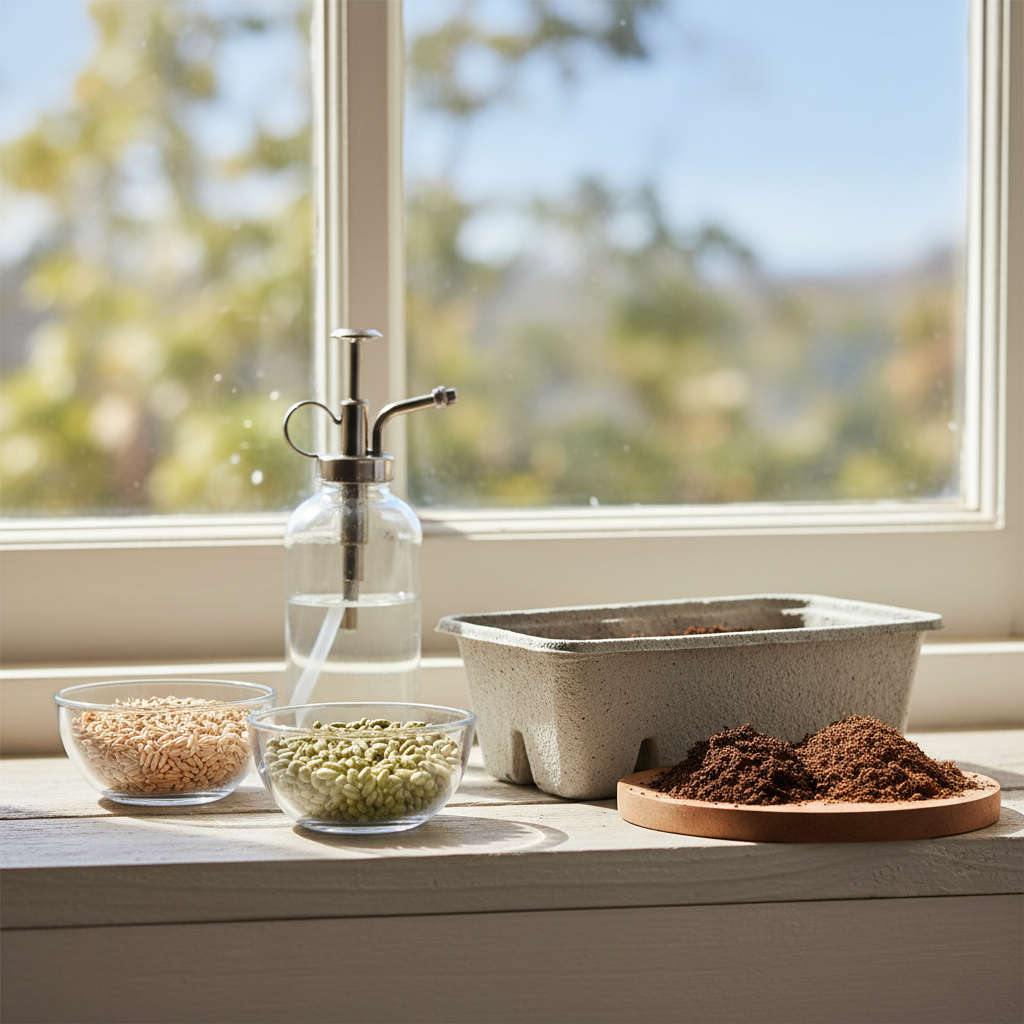
This is a simple method that works with a shallow tray and a basic growing medium like potting mix or coconut coir. Paper towels can work, but mold risk goes up in many homes.
1) Prep the seed
- Rinse seed in a fine mesh strainer until water runs clearer.
- Soak in cool water for about 6–12 hours, then drain well.
2) Set up the tray
- Use a tray with drainage holes, nested inside a catch tray.
- Add 1–2 inches of slightly damp medium, then level it.
- Spread seed densely in one layer, with minimal piling.
- Press gently so seed contacts the surface, then mist.
3) Germinate without inviting mold
- Cover loosely for 1–2 days (a second tray or a breathable cover), keep it dark-ish but not sealed.
- Mist 1–2 times a day to keep the top from drying out.
- Once you see consistent sprouts, uncover and move to bright indirect light.
4) When it’s ready for your cat
Most trays are “usable” when blades reach roughly 3–5 inches. If your goal is speed, start offering once it stands up well and looks lush, but avoid letting your cat rip it out by the roots on day one, a heavier tray helps.
Key point: keep the tray where it can dry slightly between waterings, constantly wet surfaces are where problems start.
Troubleshooting table: slow growth, patchiness, mold
Here’s the cheat sheet people wish they had after the first failed tray.
| Problem | Likely cause | What to try next |
|---|---|---|
| Patchy sprouts | Old seed, uneven moisture, seed piled too thick | Buy fresher seed, spread evenly, mist lightly but more consistently |
| Strong musty smell | Overwatering, poor airflow, no drainage | Add drainage, water from below briefly, improve airflow near tray |
| White fuzz on soil/seed | Mold (sometimes root hairs get mistaken for mold) | If it wipes away or smells bad, discard and restart with less water |
| Yellow, weak blades | Low light after sprouting | Move to brighter indirect light or use a simple grow light |
| Grass falls over | Too dense, not enough light, shallow medium | Reduce density slightly, increase light, use 1–2 inches medium |
Safety notes and common mistakes (the stuff that saves a vet call)
Cat grass is usually low-risk, but it’s still something your cat ingests. If your cat has health issues, or if vomiting is frequent, a veterinarian can help you sort out what’s normal vs. a pattern.
- Avoid toxic plants in the home: cat grass is not a “shield.” According to the ASPCA, many popular houseplants can be harmful to cats.
- Skip fertilizers and pesticides: for indoor trays, you typically don’t need them.
- Watch aggressive chewers: some cats bite low and pull up clumps; consider a heavier container or offering supervised access at first.
- Don’t keep the same tray forever: after repeated chewing, it can get funky; replacing regularly keeps things cleaner.
- Don’t assume vomiting is “good”: occasional grass-related spit-up happens, but recurring vomiting deserves a professional opinion.
If you’re trying cat grass seed organic because you want a gentler option for a sensitive cat, pay extra attention to mold control and tray hygiene, that tends to matter more than the seed type alone.
Practical routines: keep a steady supply with minimal effort
The easiest way to make this “stick” is to grow small trays in rotation. When one tray gets chewed down, you already have the next one coming up.
- Stagger planting: start a new tray every 7–10 days for many households.
- Use two trays: one active, one in the sprout stage.
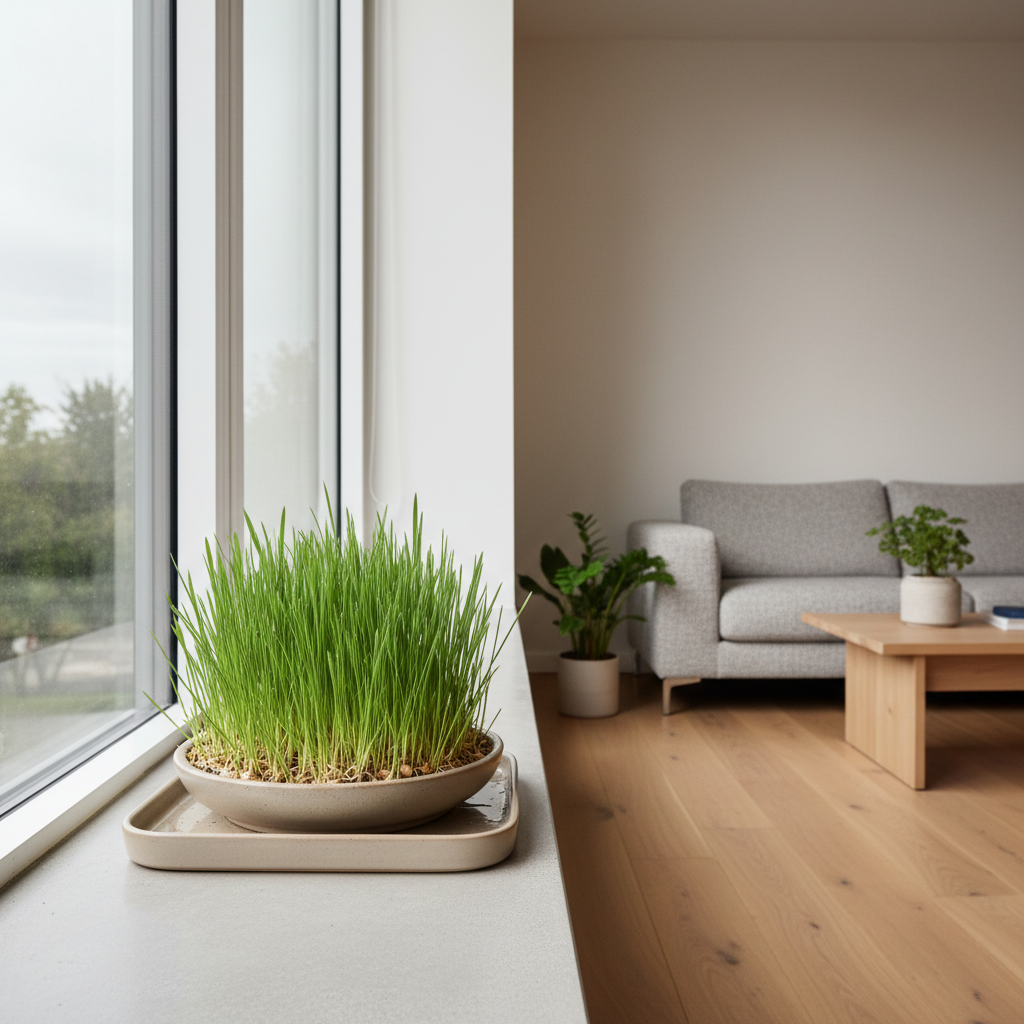
- Pick a consistent spot: bright indirect light, away from cold drafts.
- Make watering boring: quick misting or short bottom-watering, then drain.
Key takeaways: fresh seed, drainage, and not overwatering are what make “fast grow” feel real, everything else is fine-tuning.
Conclusion: what to do next
If your cat keeps sampling your plants, starting with cat grass seed organic is a practical, low-commitment step that often reduces risky chewing. The “fast” part comes from simple choices: fresh seed, a tray that drains, and a watering routine that keeps things damp instead of soggy.
Pick one seed type, run one tray using the steps above, and take notes on what happens in your home. If you see repeated vomiting, diarrhea, or your cat obsessively eats large amounts, pause the experiment and ask a veterinarian for guidance.
FAQ
What is the fastest organic cat grass to grow?
Wheatgrass is commonly quick and dense, and oats can be very reliable too. In many homes, the biggest speed factor is seed freshness and warmth, not the exact grain.
How long does cat grass take to grow from seed?
Many trays sprout in a couple of days and look “cat-ready” within about a week, though indoor temperature and light can shift timing. If it’s slow past day 4–5 with little sprouting, check seed age and moisture.
Do I need soil for cat grass seed organic trays?
Soil or coconut coir makes watering more forgiving and can reduce mold compared with paper towel methods. You can grow without soil, but you’ll need better airflow and careful moisture control.
Why does my cat grass get moldy?
Mold usually shows up when the surface stays wet and air can’t circulate, especially in trays without drainage. Using a draining tray, watering less, and uncovering earlier often helps.
Is cat grass safe for kittens?
Many kittens do fine with supervised nibbling, but they can also overdo it out of curiosity. If your kitten has stomach upset or eats large amounts, it’s reasonable to stop and consult a veterinarian.
Can cat grass replace hairball remedies?
Sometimes it seems to help a cat pass hair, but it’s not a guaranteed hairball solution. If hairballs are frequent, it’s worth discussing grooming, diet, and vet-approved options with a professional.
How often should I replace a cat grass tray?
When the tray looks chewed down, smells off, or starts thinning and matting, replace it. Many people rotate every couple of weeks, but your cat’s chewing style and watering habits matter.
If you’re trying to protect houseplants and want a simple routine that fits a busy week, setting up a two-tray rotation and sticking to one reliable cat grass seed organic product tends to be the most “set it and forget it” approach without getting fussy.