
Best cat carriers for travel come down to one thing: matching your trip type to a carrier your cat will actually tolerate, without cutting corners on safety or airline rules.
If you have ever tried to “make do” with an old carrier, you already know the pain points, awkward handles, zippers that feel flimsy, poor ventilation, and a cat that turns into a ball of stress. Travel gear is one of those purchases where small design details matter more than flashy marketing.
This guide focuses on what tends to work in real U.S. travel scenarios, car rides, TSA lines, hotel check-ins, and in-cabin flights, plus a short list of features worth paying for in 2026.
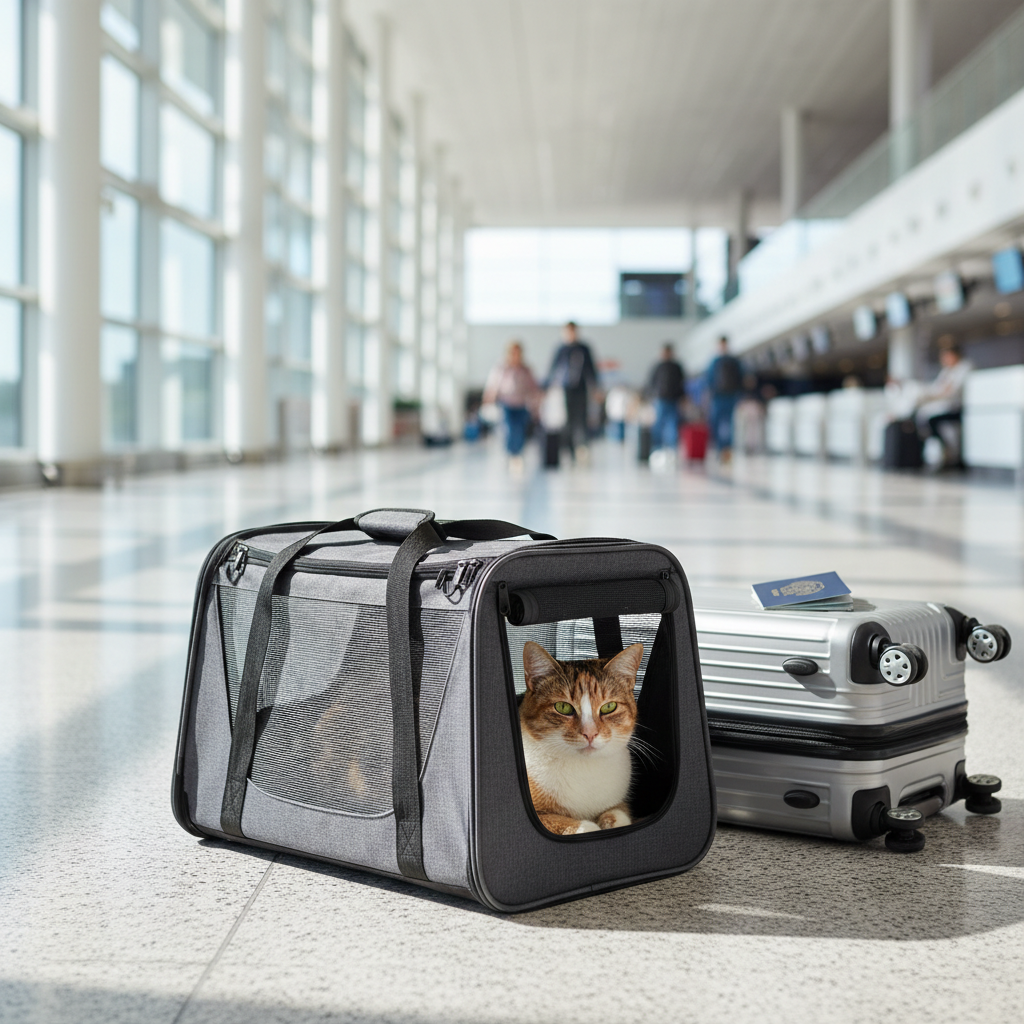
How to choose a travel carrier without overthinking it
Start with your primary travel mode, then pick the carrier style that fits. Most people shop in reverse, they see a “popular” carrier, then try to force it into their trip plan.
- Flying in cabin: prioritize under-seat fit, quiet zippers, and structured sides that do not collapse into your cat.
- Road trips: prioritize crash-tested options or, at minimum, seatbelt pass-throughs and a stable base.
- Vet visits + occasional travel: prioritize easy cleaning, wide openings, and a carrier you will not dread carrying.
- Long layovers / hotel stays: prioritize expandability, privacy panels, and space for a small travel litter setup if needed.
According to the American Veterinary Medical Association (AVMA), secure transport matters for both animal and human safety, and pets should be safely contained during travel rather than loose in the vehicle. That principle applies even when the trip feels short.
Key features that matter (and what’s mostly hype)
When people complain that a carrier “didn’t work,” it is usually one of these issues, fit, access, ventilation, stability, or carry comfort.
What’s worth prioritizing
- Correct size: your cat should be able to stand and turn around, but extra space is not always calming in transit.
- Ventilation on multiple sides: mesh is fine, but look for reinforced mesh that resists clawing.
- Two access points: a top opening plus a front opening makes TSA and vet handling simpler.
- Low-sag base: a removable, rigid base insert helps your cat feel stable.
- Carry comfort: padded shoulder strap, balanced handles, and manageable weight when fully loaded.
What often looks good but disappoints
- Overly “collapsible” frames: they can buckle when lifted, spiking stress.
- Too many pockets: nice in theory, but they add bulk that hurts under-seat fit.
- Small “air holes” only: minimal airflow plus nervous panting is not a fun combo.
Quick comparison table: pick a carrier type by trip
There is no single winner for every cat. This table is the fastest way to narrow your shortlist before you start comparing brands.
| Carrier type | Best for | Pros | Watch-outs |
|---|---|---|---|
| Soft-sided (airline-style) | In-cabin flights, rideshares | Under-seat friendly, lighter, often expandable | Not crash-rated, can sag without a solid base |
| Hard-sided plastic | Vet visits, car travel, cargo (if required) | Durable, easy to sanitize, sturdy structure | Bulkier, can feel “echo-y” and stressful for some cats |
| Backpack carrier | Urban travel, short walking segments | Hands-free, easier through doors and stairs | Heat buildup if ventilation is weak, not ideal for long waits |
| Wheeled carrier | Long airport walks, heavier cats | Less shoulder strain, steadier than hand-carry | Wheels can rattle, many do not fit under seats |
| Crash-tested car crate | Frequent driving, safety-first households | Best stability in car, reduces injury risk | Higher cost, heavy, not practical for flights |
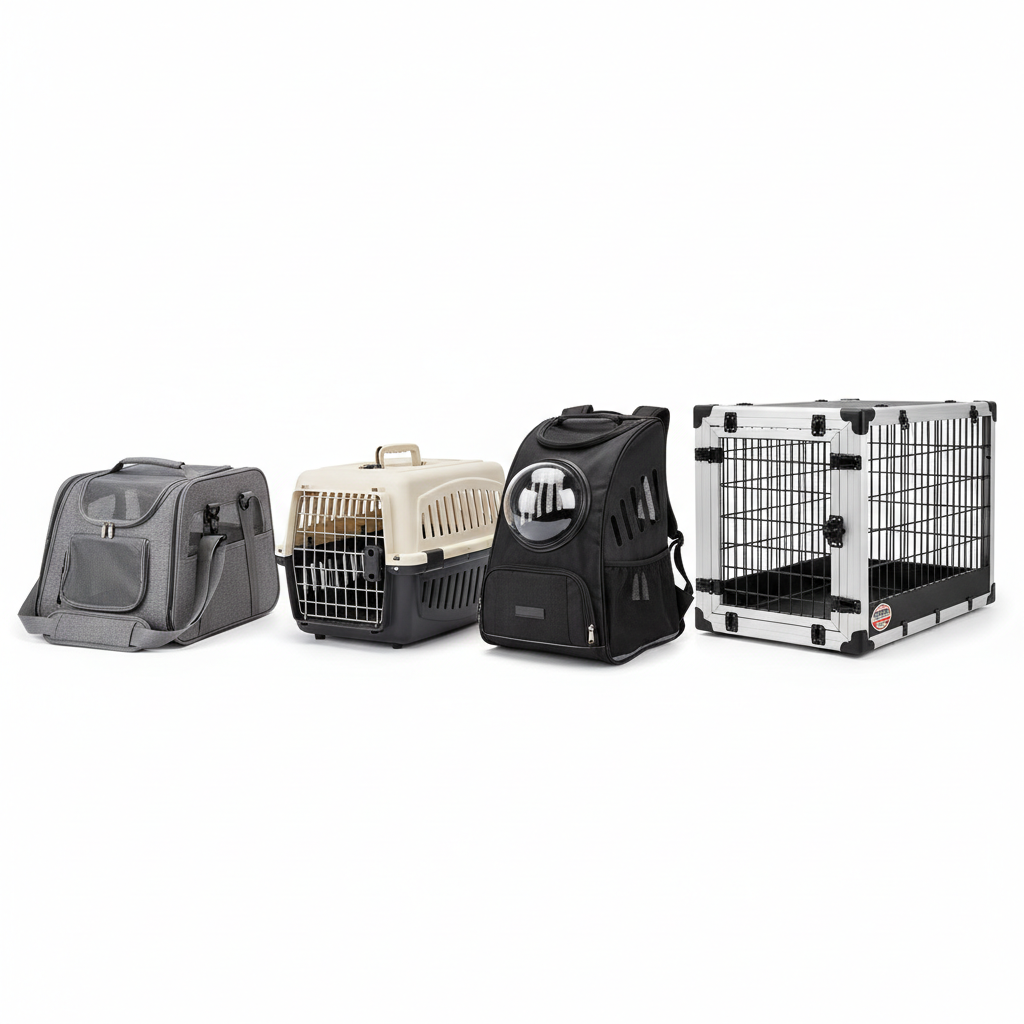
Self-check: which carrier category fits your cat?
If you want the best cat carriers for travel for your situation, your cat’s behavior matters as much as the carrier specs. This quick checklist usually reveals the right direction.
- Your cat freezes, hides, or hates being seen: look for privacy panels, fewer “window” angles, and a darker interior.
- Your cat paws and claws at mesh: pick reinforced mesh, sturdier zipper tracks, or consider hard-sided.
- Your cat gets carsick: a stable, level base and minimal swaying often helps, ask your veterinarian if motion sickness becomes frequent.
- Your cat is large or long-bodied: pay attention to interior length and standing height, not only weight rating.
- You have shoulder/neck issues: prioritize backpack or wheeled, or choose a lighter soft-sided carrier with a wide strap.
One more reality check, “bigger” is not automatically better. Many cats settle faster in a slightly cozier space where they can brace their body during movement.
Scenario-based recommendations (what to buy features-wise)
Rather than naming a single “top pick,” here is what I would shop for in each common scenario, because retailer inventories change and airline rules vary.
1) Flying in-cabin (most common pain point)
- Carrier shape: soft-sided with a semi-structured frame, so it compresses under the seat but does not collapse.
- Access: top-entry is a stress saver for TSA screening and settling your cat.
- Under-seat fit: measure your expected airline’s under-seat dimensions and compare to carrier “max” size, do not assume “airline approved” means your airline.
- Comfort: washable pad plus a thin absorbent layer for “just in case” moments.
According to the Transportation Security Administration (TSA), pets typically must be removed from carriers during screening while the carrier goes through the X-ray, so practice a calm remove-and-return routine at home to reduce panic at the checkpoint.
2) Long car trips and frequent driving
- Best safety tier: a crash-tested crate or crash-tested carrier, when your budget and car space allow.
- Minimum baseline: a carrier with seatbelt pass-throughs and a firm bottom that does not tip.
- Stability add-ons: a non-slip mat under the carrier, and placing it on a flat seat rather than angled surfaces.
Never rely on holding a carrier on your lap. Sudden braking turns “mostly fine” into chaos fast.
3) Hotels, family visits, and longer stays
- Expandable sides: helpful for giving your cat room once you arrive, without upgrading to a huge carrier.
- Privacy: roll-down shades reduce the sense of being watched in a new space.
- Easy cleaning: removable liners, wipeable interiors, and zippers that do not snag on fur.
Practical setup tips: make almost any carrier work better
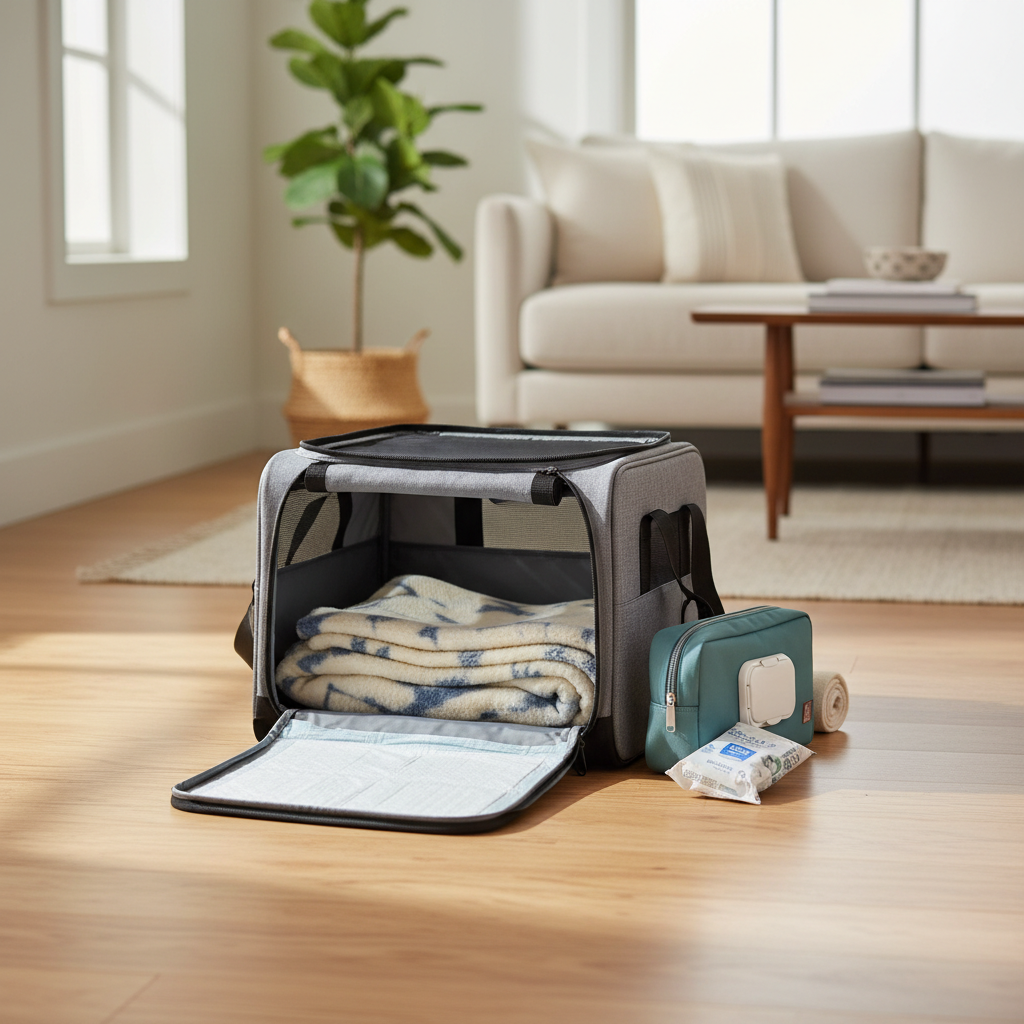
Even the best cat carriers for travel can fail if your cat only sees it right before departure. A little setup changes the whole vibe.
- Carrier lives out, door open: treat it like furniture for a week or two, not a “scary box.”
- Familiar scent: add a worn t-shirt or a blanket your cat already sleeps on.
- Short rehearsal drives: 5–10 minutes, then back home, so the pattern is not always “carrier equals vet.”
- Skip heavy perfumes and harsh cleaners: strong smells can trigger avoidance.
- Pack smart: bring wipes, a spare pad, and a small trash bag, it prevents panicked improvising.
Mistakes to avoid (these waste money and stress cats out)
A few missteps show up again and again, and they tend to make people think their cat “hates travel,” when the setup is the real issue.
- Buying by weight rating only: interior dimensions matter more, especially for long-bodied cats.
- Choosing poor ventilation for winter travel: cars and cabins still get warm, trapped heat raises stress.
- Ignoring zipper quality: cheap zippers fail at the worst time, test them with one hand.
- No ID on the carrier: add a luggage tag and a label with your contact info.
- Waiting until travel day to introduce it: even confident cats may panic with surprise confinement.
When to ask a professional for help
If your cat shows intense distress, heavy panting, drooling, repeated vomiting, or self-injury attempts during transport, it is worth talking to a veterinarian. Some cats have motion sickness, anxiety, or underlying medical issues that travel exposes, and home tweaks may not be enough.
Behavior help can also be a smart move if your cat escalates from mild protest to full-blown panic. A credentialed behavior professional can suggest training steps and, when appropriate, coordinate with your veterinarian on calming strategies that fit your cat’s health history.
Conclusion: a calmer trip is usually a better match, not more gear
The “right” carrier is the one that fits your trip and your cat’s tolerance level, with solid ventilation, stable structure, and access that makes handling easier for you. If you choose a style based on your main travel mode and do a little acclimation at home, many cats travel noticeably calmer.
If you want a simple next step, measure your cat and your car seat or airline under-seat space today, then shortlist two carrier types and pick the one you can realistically use every time, not only on perfect days.