
Best cat beds for senior cats usually share the same goal: reduce pressure on achy joints while keeping your cat warm, stable, and comfortable through long naps. If your older cat starts avoiding favorite spots, hesitates before lying down, or wakes up stiff, the bed might be part of the problem and part of the fix.
A lot of people shop by “cute” or “washable,” then wonder why the new bed sits unused. Senior cats can be picky for practical reasons: arthritis, thinner body fat, reduced balance, and temperature sensitivity all change what “comfortable” means.
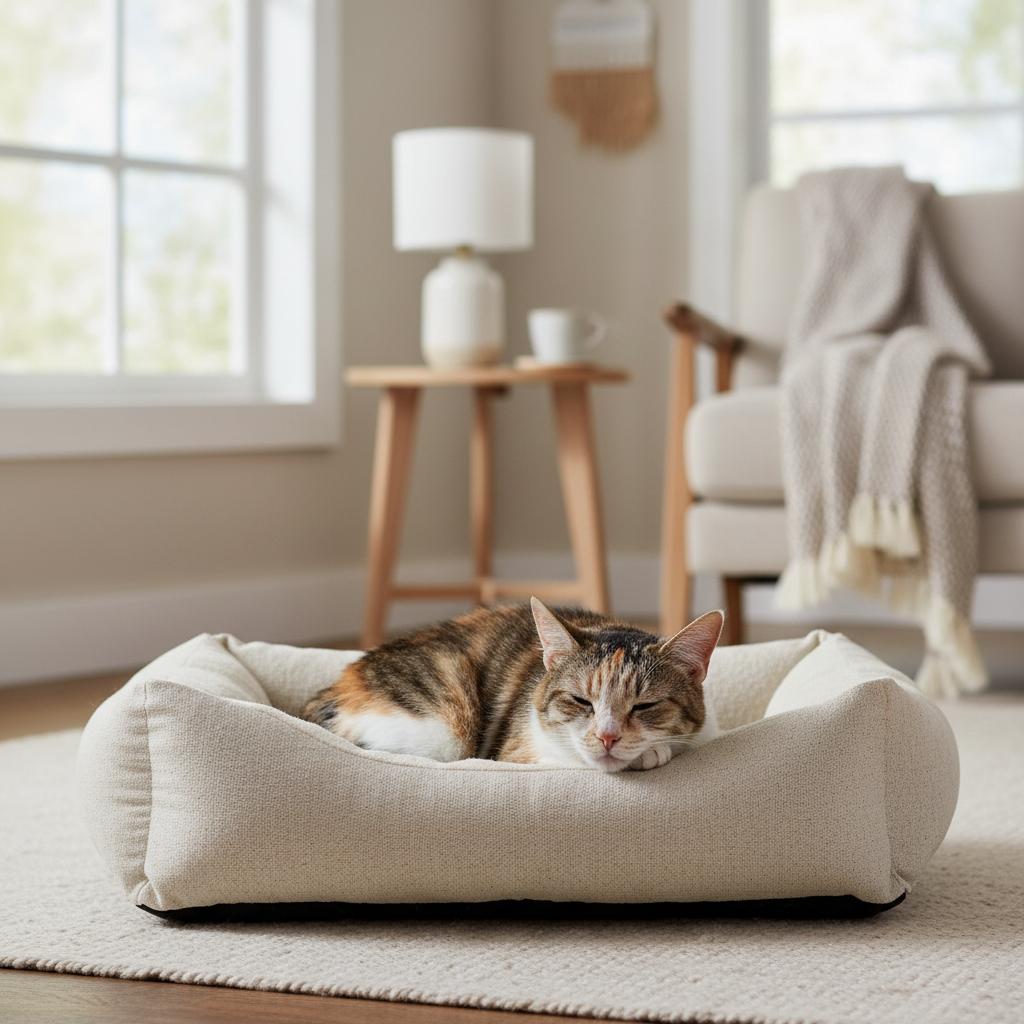
This guide walks you through what matters most in 2026: support level, entry height, temperature control, surface traction, and cleaning. You’ll also get a quick self-check so you can choose a bed your cat will actually use, not just tolerate.
What changes for cats as they age (and why beds start to matter more)
Older cats often sleep more, but their sleep can become lighter and more interrupted, especially if they’re uncomfortable. Joint stiffness and reduced muscle mass mean hard surfaces feel harder than they used to, and “sinking in” too much can make it tough to stand back up.
According to the American Animal Hospital Association (AAHA), arthritis and chronic pain are common in senior pets, and subtle behavior changes can be a sign. A well-chosen bed won’t treat disease, but it can reduce daily discomfort and support mobility routines your vet recommends.
- Pressure relief: helps hips, elbows, and shoulders during long rests.
- Heat retention: many seniors seek warmer spots and avoid drafts.
- Stability: reduced balance makes slippery fabrics and tall sides less appealing.
- Predictability: seniors love consistent “safe” spots, so location and texture matter.
Quick checklist: how to tell what kind of senior bed your cat needs
Before you buy, spend two days observing where and how your cat rests. You’re looking for patterns, not perfection. This is the fastest way to narrow down the best cat beds for senior cats in your home.
- Stiff on waking? Consider orthopedic foam or a supportive pillow-style bed.
- Hesitates to step in? Choose a low-entry, open-front design.
- Seeks warm laundry or vents? Look for self-warming layers or a safe, low-watt heated option.
- Wobbly or cautious on slick floors? Prioritize a non-slip base and a grippy top fabric.
- Curled-up sleeper? Bolsters can help, but keep the entry easy.
- Sprawls out? Go larger with a flat, roomy surface.
- Accidents or hairballs? Waterproof liner + removable washable cover matters more than fancy fabric.
The 2026 short list: common bed types that work well for senior cats
Instead of naming brands that change constantly, it’s more useful to shop by construction. Most “top rated” picks fall into a few patterns, and each suits a different senior-cat reality.
Orthopedic foam loungers (best for arthritis support)
Look for dense foam that doesn’t bottom out when you press your palm down. Memory foam can be great, but if it’s too soft, some seniors struggle to push up from it. A firmer base layer with a softer top layer often feels easier.
Bolster beds with a low entry (best for security without climbing)
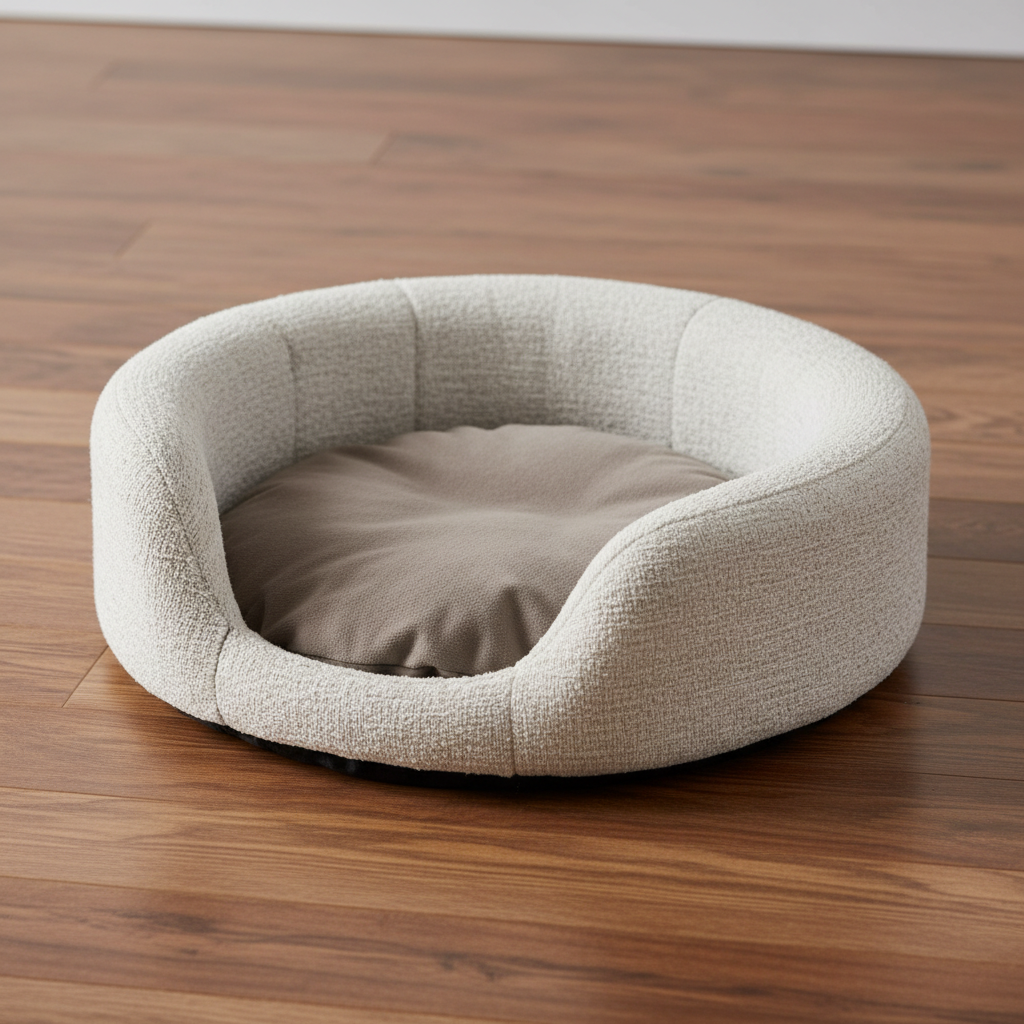
Bolsters give a chin rest and a “nest” feel. For seniors, the key detail is an open front or lowered section so your cat doesn’t need to step high or squeeze in.
Heated or self-warming beds (best for cold-sensitive seniors)
Many older cats gravitate toward warmth. Self-warming beds use heat-reflective layers and avoid electricity. Heated pads can help too, but choose models built for pets and follow safety instructions closely; if your cat has medical issues, it’s smart to ask your veterinarian what temperature range is appropriate.
Window perch alternatives (best for “I still want my view” cats)
Some seniors still love bird-watching but can’t safely jump. A low platform near a window or a ramp-access perch often works better than a suction-cup window seat. Stability beats height here.
Key features that separate a good senior bed from a wasted purchase
These details decide whether the bed becomes the new favorite spot or the thing you step over for months.
- Low-entry height: ideally a step-in edge your cat can manage without hopping.
- Support that holds shape: foam that rebounds and doesn’t compress flat quickly.
- Non-slip base: reduces sliding when your cat circles or stands up.
- Warm but breathable cover: sherpa feels cozy, but some cats overheat; fleece blends often balance well.
- Washability without losing support: removable covers are easier than washing the whole bed.
- Odor and moisture management: a waterproof liner helps if your cat has occasional accidents.
According to the American Veterinary Medical Association (AVMA), regular veterinary care is especially important for senior pets because health changes can be subtle. If your cat avoids all beds and prefers odd surfaces, discomfort may be a medical issue rather than pickiness.
Size, placement, and “will my cat actually use it?” tactics
The best materials in the world don’t matter if the bed lives in the wrong place. Senior cats are conservative: they choose what feels safe, familiar, and easy.
- Match their current hangout: place the new bed exactly where they already nap for a week, then move it only if needed.
- Go slightly bigger than you think: seniors often stretch to reduce stiffness, especially after waking.
- Avoid drafts and foot traffic: warmth and calm win, even if you prefer the bed elsewhere.
- Use familiar scent: add a lightly used blanket or a T-shirt that smells like home.
- Skip forced “training”: placing the cat in the bed repeatedly can backfire; lure with calm, not pressure.
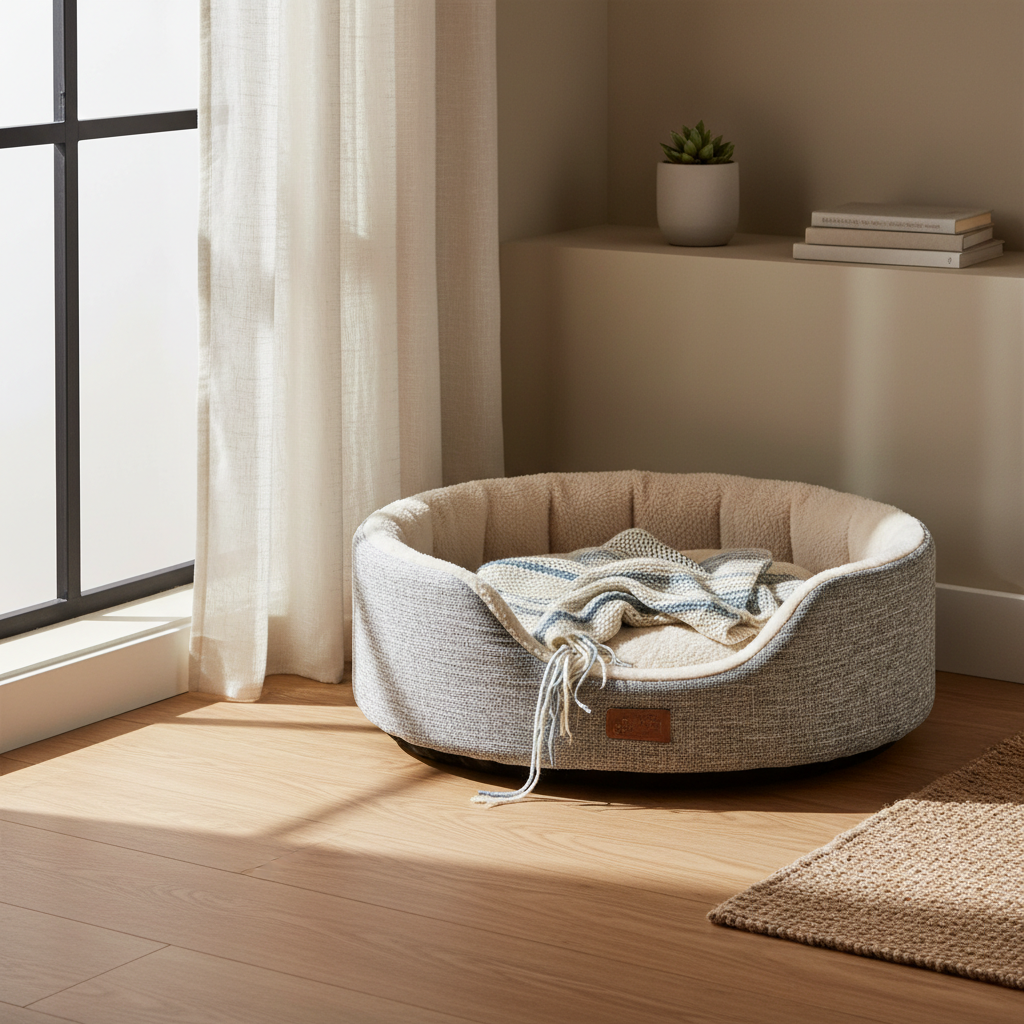
If your cat likes multiple zones, consider two simpler beds rather than one deluxe bed in the “wrong” room. Many households end up doing this after a few failed attempts.
Comparison table: which senior bed style fits which situation?
Use this as a quick sorter when you’re shopping and the product pages all start to look the same.
| Bed type | Best for | Watch-outs | What to look for |
|---|---|---|---|
| Orthopedic foam lounger | Arthritis, stiffness, pressure relief | Too-soft foam can make standing harder | Dense base, removable cover, low edge |
| Low-entry bolster bed | Security + chin rest, curl sleepers | Tall bolsters can block easy entry | Open-front design, non-slip bottom |
| Self-warming bed | Cold-seeking cats, drafty rooms | Some run too warm for thick-coated cats | Heat-reflective layer, washable cover |
| Heated pet bed/pad | Very cold homes, senior cats that love heat | Needs safe use; ask vet if health issues | Pet-rated, chew-resistant cord, auto-temp control |
| Flat mat with grippy top | Wobbly seniors, easy step-on surface | Less “nest” feel for some cats | Non-slip backing, washable, moderate padding |
Practical buying tips (and common mistakes to avoid)
When people feel stuck, it’s usually because they’re shopping like it’s a human mattress. Cats care more about entry, traction, and location than most product descriptions admit.
- Mistake: choosing deep “cave” beds. Many seniors dislike squeezing in, even if they liked it years ago.
- Mistake: ultra-plush slippery fabrics. Soft can still be slick, and slick makes standing stressful.
- Mistake: washing the whole bed too often. Frequent full washes can break down foam; prefer removable covers.
- Mistake: ignoring floor temperature. A good bed on cold tile still feels cold; add a rug or mat underneath.
- Mistake: buying one bed to solve everything. Many senior cats rotate spots, especially day vs. night.
If you’re comparing options, keep coming back to the basics: support, low entry, warmth, grip, and easy cleaning. That shortlist tends to produce the best cat beds for senior cats more reliably than chasing trends.
When discomfort may be more than “just aging”
A new bed can help comfort, but it should not replace medical care. If any of the signs below show up, it’s worth a veterinary conversation, especially because cats hide pain well.
- Noticeable limp, sudden reluctance to jump, or repeated yowling when moving
- Regular litter box misses, straining, or vocalizing
- Loss of appetite, hiding more than usual, or significant behavior changes
- Heat-seeking to an extreme degree, or avoiding all soft surfaces
According to the American Association of Feline Practitioners (AAFP), pain in cats can be subtle and show up as behavior shifts. If you suspect pain, asking a professional for guidance is usually the safest path.
Key takeaways + a simple next step
Finding the right bed is less about one “perfect” product and more about matching what your cat’s body can handle now. Focus on low entry, stable footing, supportive fill, and the warm, quiet placement your cat already prefers.
If you want one next step today, measure your cat in their favorite sleeping position, then shop for a supportive bed one size up with a removable cover and a non-slip base. That combination is a strong starting point for most homes searching for the best cat beds for senior cats.