
Bird nest box for parakeets breeding is one of those purchases that looks simple, until you realize most problems show up after you hang it: eggs laid on slick floors, chicks with splayed legs, parents refusing the box, or a “natural wood” label that still smells like chemicals.
If you want one clear takeaway, it’s this: the “right” nest box is less about a cute shape and more about safe wood, correct dimensions, and a setup that stays dry, stable, and easy to inspect without stressing the pair.
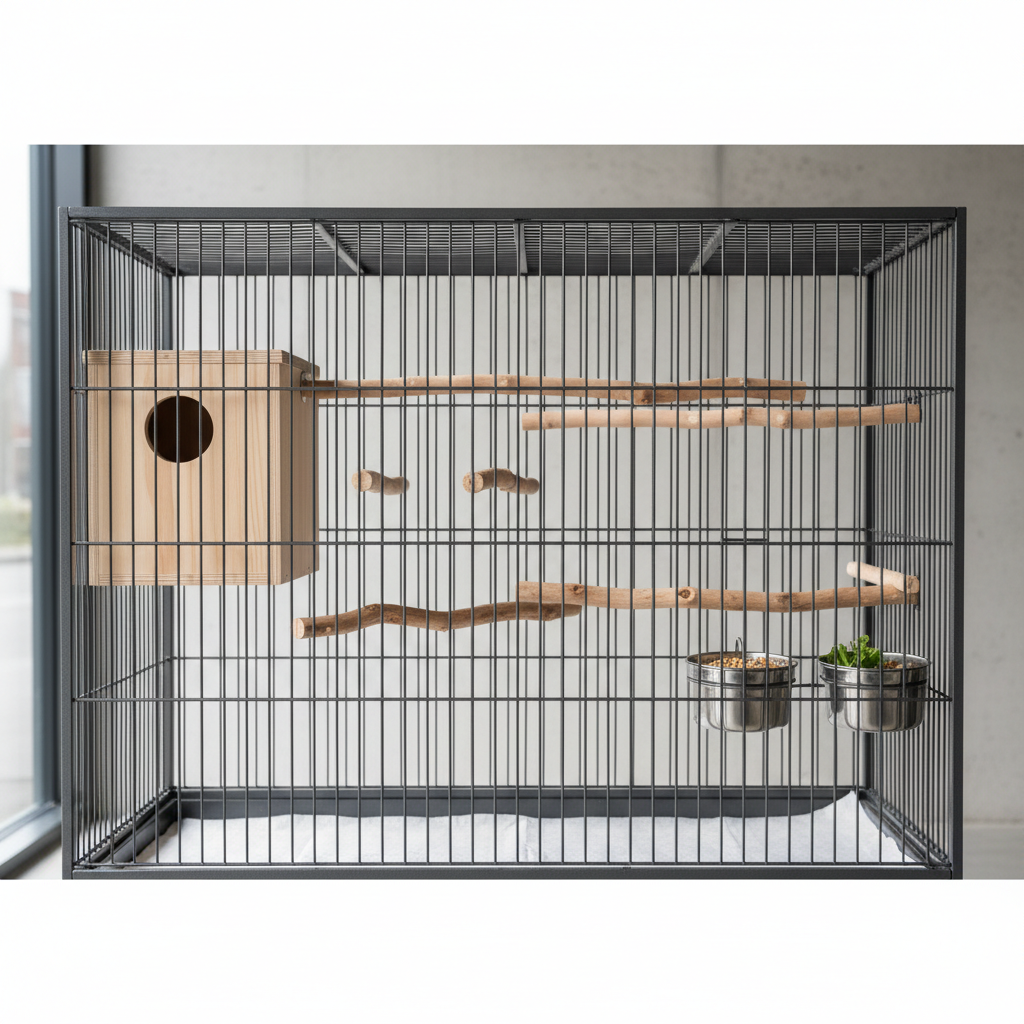
Below, I’ll break down what “safe wood” really means, how to choose a box size that fits budgies and many small parakeets, what to put inside (and what not to), and when it’s smarter to pause and ask an avian vet or an experienced breeder for input.
Why nest boxes fail in real homes (and what that usually means)
Most nest box issues aren’t random. They come from a few predictable mismatches between the box, the bird, and the environment.
- Wrong size or layout: too tall, too small, or no “nest bowl” area, chicks slide around and leg issues become more likely.
- Unsafe or unknown materials: aromatic softwoods, treated lumber, questionable glues, or heavy stains can irritate respiratory systems or expose birds to toxins.
- Poor placement: a box that swings, sits in a draft, or gets hit by direct sun can trigger abandonment.
- Hygiene blind spots: if you can’t inspect and spot-clean, you often discover a problem late, when mites, wet bedding, or a dead chick has already contaminated the nest.
According to the American Veterinary Medical Association (AVMA), choosing safe housing materials and maintaining sanitation helps reduce preventable health risks for companion animals, birds included. That sounds obvious, but in breeding setups it becomes non-negotiable.
Safe wood for a parakeet nest box: what to look for, what to avoid
When a listing says “wood,” it tells you almost nothing. What matters is the species of wood, whether it’s treated, and what finishes touched it.
Usually safer options (when untreated and properly finished)
- Untreated pine (kiln-dried, no aromatic smell): commonly used, easy to replace, typically budget-friendly.
- Poplar: often low-odor and stable, a nice step up if you want fewer knots.
- Birch plywood (exterior-grade is not the goal here): if you use plywood, prioritize low-VOC, interior-grade panels and minimal adhesives.
Materials to be cautious with (or skip)
- Cedar and redwood: aromatic oils may irritate birds’ sensitive respiratory systems.
- Pressure-treated wood: not appropriate for inside a cage or nest environment.
- Paints, stains, varnish: even “pet safe” claims vary, and birds chew. If you must seal anything, many keepers choose a very light approach and allow long off-gassing, but in many cases leaving wood unfinished is the simpler, safer call.
- MDF/particleboard: tends to swell with moisture and can include resins you don’t want birds chewing.
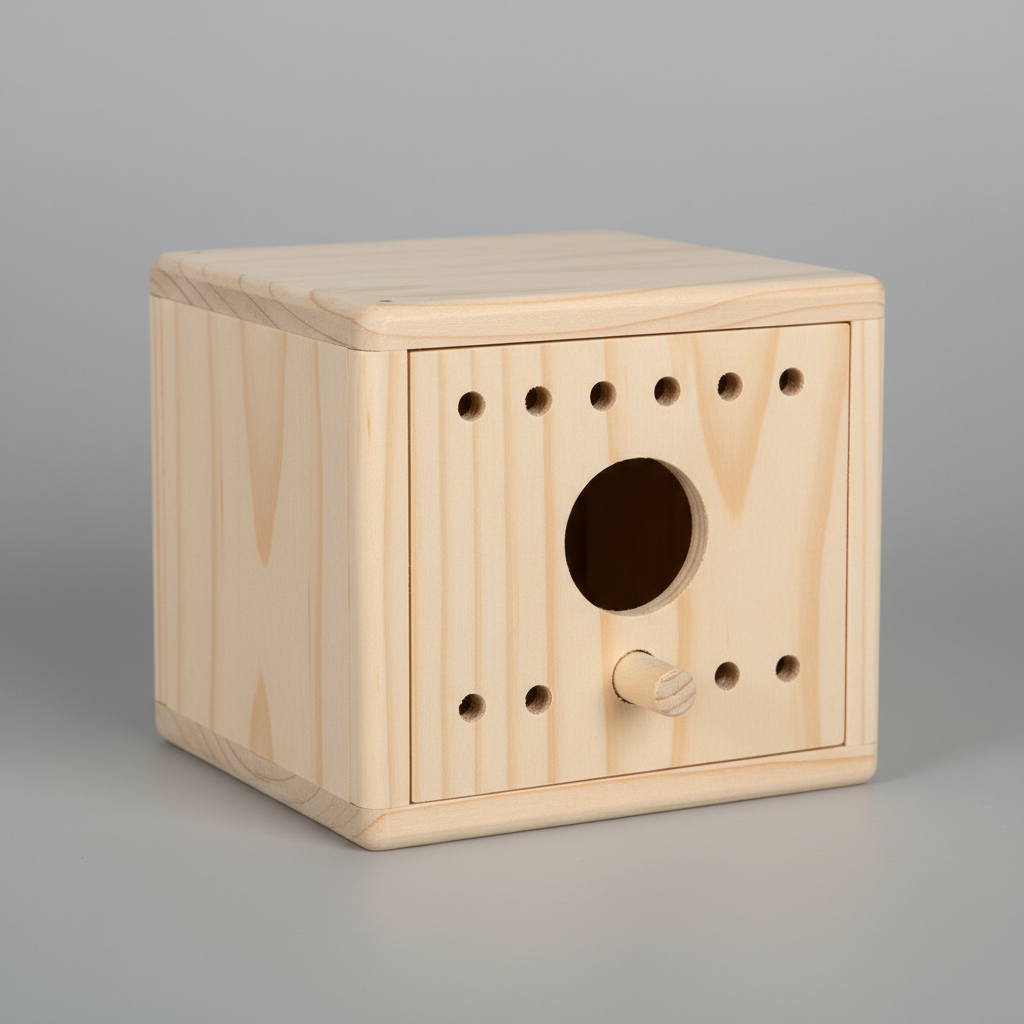
Practical rule: if the box has a strong smell, sticky feel, visible wet stain residue, or “fresh paint” odor, that’s a red flag for a breeding space. Many birds tolerate a lot, but breeding birds are already under stress.
Size, entrance hole, and “nest bowl”: the specs that matter
For budgies and similarly sized small parakeets, the sweet spot is a box that allows turning around comfortably, but not so much open space that chicks slide and spread out.
| Feature | Typical target (small parakeets/budgies) | Why it matters |
|---|---|---|
| Floor size | About 6x6 to 8x8 inches | Enough room for hen and chicks without “cold corners” |
| Box height | About 8 to 10 inches | Too tall can encourage jumping, too short feels exposed |
| Entrance hole | About 1.75 to 2 inches diameter | Lets adults pass, discourages larger intruders |
| Wall thickness | About 1/2 inch | Improves stability and helps buffer temperature swings |
| Nest bowl (concave area) | Shallow, centered depression | Reduces slipping and supports chick posture |
The “nest bowl” is the part people skip because it sounds fussy. In practice, it often separates a smooth hatch from a stressful one. Some commercial boxes include a carved bowl; others expect you to add bedding and shape it.
Quick self-check: are you actually ready to add a nest box?
A lot of “my pair won’t breed” searches are really “my setup isn’t stable enough yet.” Before you mount anything, run this quick check.
- Diet is consistent: pellets/quality seed mix plus fresh foods, and a calcium source available, because egg-laying demands more minerals.
- Lighting and routine stay steady: frequent schedule changes can disrupt bonding and incubation.
- You can inspect daily without chasing birds around the cage.
- You have a plan for chicks: weaning timeline, separation, and realistic homes, not just “we’ll see.”
- You know the risks: egg binding, abandonment, injury, and rapid health declines can happen even with experienced keepers, professional help may be needed.
According to the Association of Avian Veterinarians (AAV), breeding increases health and management demands, and owners should be prepared for medical issues that may require avian veterinary care. That’s not to scare you off, it’s a reminder to set up responsibly.
Setup that works: placement, bedding, and daily checks
If a bird nest box for parakeets breeding is “right” on paper but wrong in the cage, birds still reject it. Stability and access matter more than most product photos admit.
Placement tips that reduce stress
- Mount it firmly so it doesn’t sway when birds land.
- Keep it out of direct sun and drafts, especially near AC vents or frequently opened doors.
- Choose a quieter side of the cage or breeding enclosure, with a predictable traffic pattern in the room.
- Position the perch so adults can enter without awkward climbing, but not so close that droppings fall directly into the entrance.
What to put inside (and what usually backfires)
- Common bedding: pine shavings that are dust-extracted and low-odor often work; some breeders prefer aspen or a thin layer of clean paper under shavings for easier spot removal.
- Avoid fluffy fabric: cotton “nesting material” and stringy fibers can wrap toes and legs.
- Don’t overfill: too much bedding can raise the floor and make the entrance unsafe for chicks later.
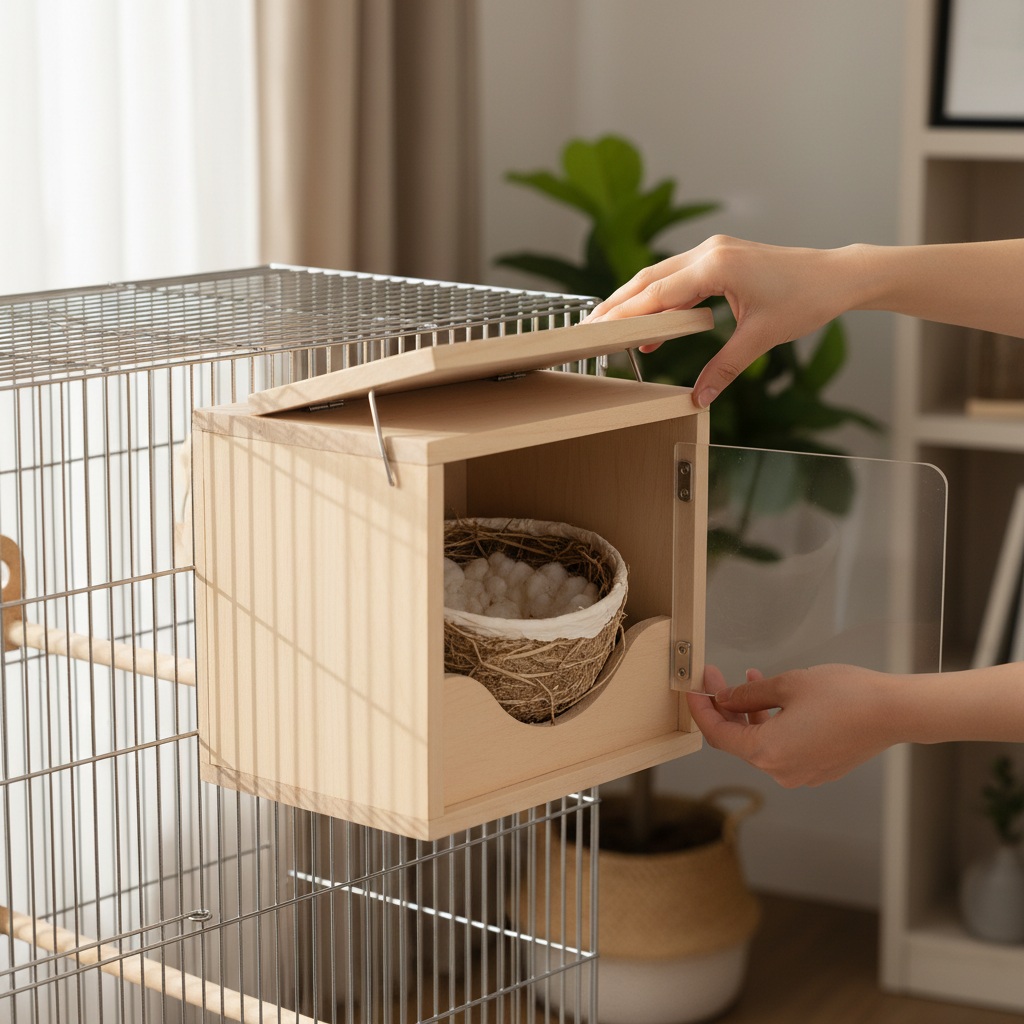
Daily checks should be quick and calm. You’re looking for wet spots, strong ammonia smell, mites, or chicks pushed aside. If you find damp bedding, replace only what you must, keeping the “nest shape” intact so the hen doesn’t panic and rearrange everything.
Common mistakes (even well-meaning owners make)
This is the section that saves the most time, because many “breeding problems” are actually preventable setup errors.
- Buying the smallest box to “feel cozy”: cramped boxes get dirty fast and can increase fighting or trampling.
- Going too large: chicks spread out, chill, and the nest loses that supportive bowl shape.
- Choosing pretty finishes: glossy stained wood looks premium, but birds chew and fumes can linger.
- Skipping an access door: if you can’t open the top/side safely, you either never inspect or you disrupt the pair every time you try.
- Adding a nest box too early: it can trigger hormonal behavior before diet, space, and monitoring habits are ready.
Key point: a clean, plain, well-sized box usually beats a “feature-rich” one that you can’t service easily.
When to involve an avian vet or an experienced breeder
Breeding support isn’t just for emergencies, it’s also for avoiding them. If any of the situations below show up, consider professional guidance.
- Suspected egg binding: fluffed posture, straining, weakness, sitting low, reduced droppings, this can become life-threatening quickly.
- Repeated abandoned clutches: could be stress, infertility, nutrition, illness, or poor box conditions.
- Chicks with leg splay or obvious weakness: bedding, flooring, and nutrition may need correction, sometimes splinting guidance helps and should be supervised.
- Breathing issues: tail bobbing, wheezing, or persistent sneezing might indicate irritants (including wood/finish) or infection.
In the US, it can help to locate an avian-focused clinic before breeding begins. According to the Association of Avian Veterinarians (AAV), avian vets are trained to address species-specific needs that general small-animal clinics may not routinely handle.
Practical buying checklist: what to confirm before you click “Add to Cart”
- Wood type disclosed (not just “wood”), and it’s untreated
- Access panel with secure latch, no sharp edges
- Ventilation holes that don’t create drafts directly on the nest floor
- Interior is sanded, no splinters, no exposed staples where birds can reach
- Correct entrance size for your species
- Mounting hardware fits your cage and holds steady
- Replaceable or easy to clean, because breeding boxes wear out faster than most people expect
Conclusion: keep it simple, safe, and easy to manage
Choosing a bird nest box for parakeets breeding comes down to a handful of decisions that are boring but important: untreated, low-odor wood, a size that supports chicks, a box you can inspect, and a setup that stays stable and dry.
If you want a clean next step, pick one box that meets the material and access requirements, mount it firmly, then run a short “first week” routine: quick daily checks, spot-clean only when needed, and watch how the pair uses the space before you change anything.
FAQ
What wood is safest for a parakeet nest box?
Many keepers use untreated pine or poplar because they’re typically low-odor and easy to keep clean. Avoid pressure-treated lumber and strongly aromatic woods like cedar, and be cautious with finishes since birds chew.
What size entrance hole should a budgie nest box have?
For budgies and many small parakeets, an entrance around 1.75 to 2 inches often works. If the hole is too large, the box can feel exposed; too small, adults may avoid entering or scrape feathers.
Do I need bedding, or is a bare wooden floor better?
Most setups use a small amount of suitable bedding to help create a shallow bowl and reduce slipping. A bare, flat floor can contribute to chicks sliding, while excessive bedding can raise the floor too high, so balance matters.
How do I clean a nest box without making parents abandon the nest?
Keep checks short and predictable, and avoid heavy rearranging. Many people spot-clean damp areas rather than doing full cleanouts during incubation, and only intervene more aggressively if there’s a hygiene or health risk.
Should I put a nest box inside the cage or mount it outside?
Either can work, but outside-mounted boxes often make inspection easier and preserve cage space. The best choice depends on cage design and how securely you can mount the box without movement.
Why did my parakeets ignore the nest box?
Common reasons include instability, drafts, too much household traffic, or the pair not being in breeding condition. Sometimes the box is simply the wrong size or has a smell from finishes or packaging.
Can I use a coconut hut or soft fabric “snuggle” nest for breeding?
These products are popular for lounging, but for breeding they can create hygiene issues and may include fibers that snag toes. A solid wood box with an inspection door is usually easier to manage and keep clean.
When should I talk to an avian vet during breeding?
If you see signs that suggest egg binding, repeated abandonment, breathing trouble, or weak chicks, it’s wise to contact an avian vet promptly. Breeding can shift health risks fast, and early guidance often prevents bigger problems.
If you’re trying to choose between a few boxes and want a more “no surprises” path, it helps to prioritize disclosed untreated wood, a proper entrance size, and an easy-access lid, then build your routine around simple daily checks instead of constant tweaks.