
Hamster hideout wooden chew proof sounds like a simple shopping checkbox, but in real cages it often means balancing three things that don’t always play nicely together: safety, durability, and how your hamster actually uses the hide.
If you’ve watched a “new” wooden hide turn into confetti in a week, or you’ve worried about splinters, glue smells, and mystery coatings, you’re not overthinking it. Hamsters chew to wear down their teeth, but they also chew when they’re bored or stressed, and a hideout becomes the main target because it’s always in reach.
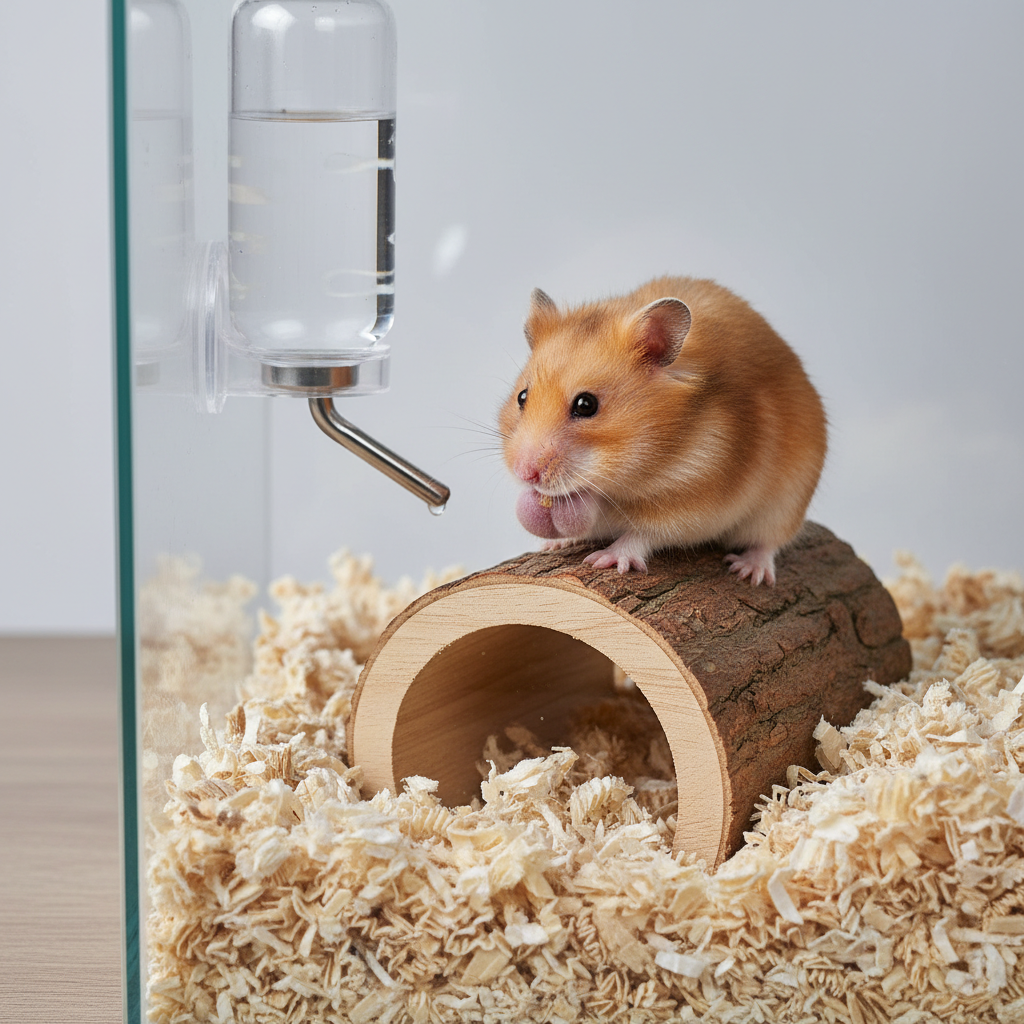
This guide focuses on what “chew proof” realistically means for wood, how to spot safer construction, and what to do if your hamster is a power chewer. You’ll also get a quick comparison table and a practical setup checklist.
What “chew proof” means for wooden hamster hideouts (and what it doesn’t)
Let’s be candid: no wooden hideout is truly chew-proof against a determined hamster. What you can buy is chew-resistant design and materials that hold up longer, fray less, and stay safer as they get worn down.
- Chew-resistant usually means thicker panels, harder wood species, and fewer weak seams.
- Safer wear pattern means edges don’t splinter into sharp shards and joints don’t separate into small swallowable bits.
- Low-toxin build means minimal or no paint, unknown varnish, or heavy glue odor.
According to the American Veterinary Medical Association (AVMA), pet products should be chosen with attention to safety hazards and injury prevention, and for small animals that includes avoiding materials that can cause trauma or ingestion risks if damaged.
Why wooden hideouts get destroyed: the real reasons in typical US setups
In many homes, the hideout becomes the “chew zone” for reasons that have nothing to do with the brand.
- Teeth maintenance: hamsters instinctively gnaw to manage tooth length.
- Stress chewing: frequent cage disturbances, too little cover, or an exposed enclosure can push more gnawing.
- Boredom: if the wheel is too small or the habitat lacks digging depth, chewing fills the gap.
- Placement problems: a hide placed against bars or corners can become a leverage point for aggressive chewing.
One more thing people miss: if the hide is the only “wood object,” it gets all the attention. A single chew target rarely survives long.
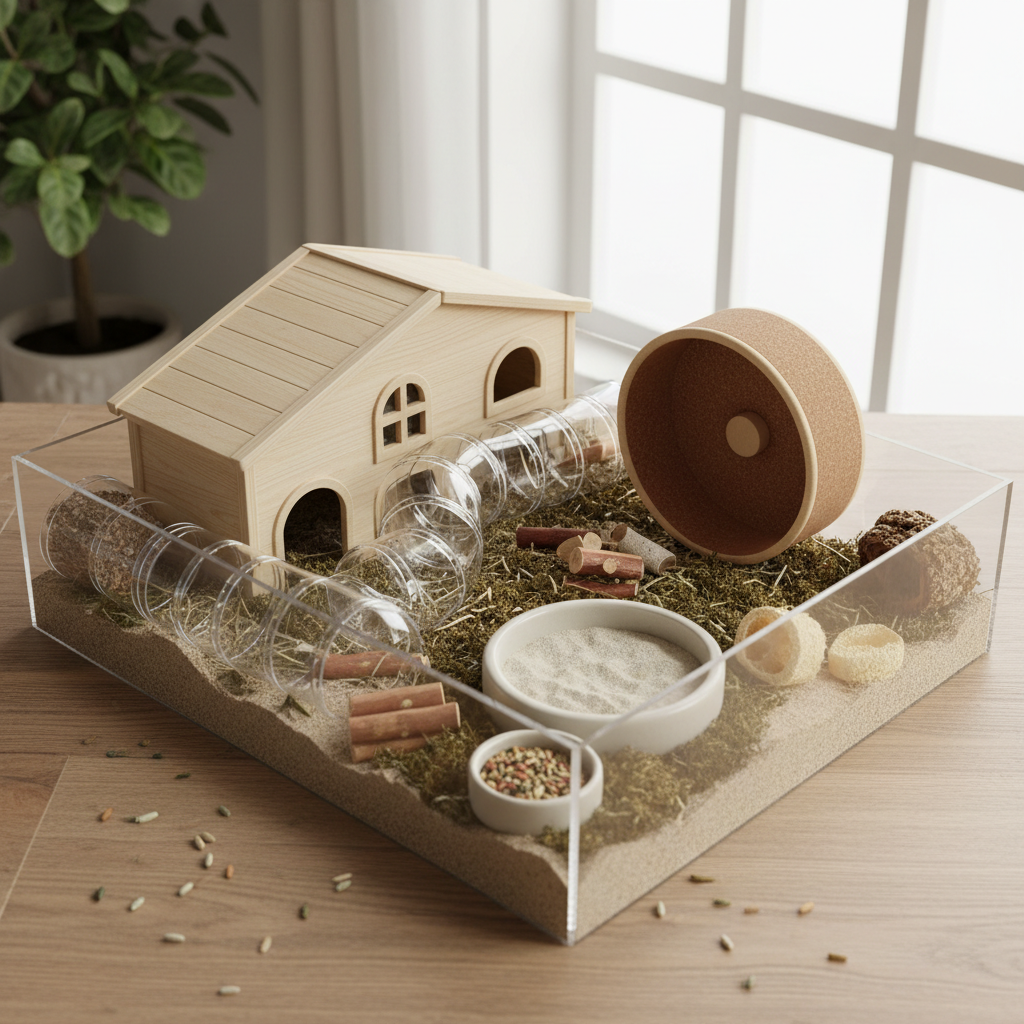
Material and build quality: what to look for before you buy
When shoppers search hamster hideout wooden chew proof, they’re often trying to avoid two bad outcomes: rapid destruction and questionable materials. These details matter more than cute shapes.
Wood type and thickness
- Thicker walls generally last longer and deform more slowly.
- Harder woods (often listed as hardwood) typically resist gouging better than very soft woods.
- Avoid anything that flakes easily when you press a fingernail into it.
Joints, fasteners, and exposed glue
- Prefer interlocking joints or tight dowel-style construction over wide glue seams.
- If you can see big glue blobs inside corners, expect those corners to fail first.
- Any strong chemical smell is a “pause and reconsider” moment, especially for a hide that sits in warm bedding.
Surface coatings
Painted or heavily varnished wood can be harder to judge. A finish may help cleaning, but if a hamster chews through it, you want confidence it’s non-toxic. If the listing is vague, treat it as a risk and choose unfinished, pet-intended wood instead.
Quick self-check: is your hamster a “power chewer” or is the setup driving it?
Before you replace another hide, use this quick read on what’s going on. It changes what “durable” should mean for you.
- Chews mainly at night, focused on one corner: often a habit pattern, try rotating chew options and moving the hide.
- Chews constantly, ignores wheel/toys: boredom or an unsuitable wheel size can contribute.
- Chews after you clean or rearrange: stress response is possible, reduce how much you change at once.
- Chews and also bar-bites: enclosure size, enrichment, and stress management deserve attention.
According to the American Society for the Prevention of Cruelty to Animals (ASPCA), small mammals benefit from enrichment and appropriate habitat setup to support natural behaviors; chewing is normal, but the environment influences intensity.
Chew-resistant hideout options compared (wood + alternatives)
If your goal is a longer-lasting hide that still feels natural, you may want a mix: a sturdier wooden hide plus a second “sacrificial” chew item, or a non-wood hide with wooden chews nearby.
| Option | Durability vs chewing | Safety considerations | Best for |
|---|---|---|---|
| Thick hardwood hideout | High (for wood) | Watch for splinters, joint failure over time | Moderate to heavy chewers |
| Layered plywood-style hide | Medium | Edges can delaminate; check for glue layers | Light chewers, budget setups |
| Ceramic hide | Very high | Heavy; ensure stable placement, avoid sharp chips if dropped | Power chewers, hot climates (cooling) |
| Cork log/tunnel | Medium | Natural crumble; replace when shedding chunks | Naturalistic enrichment, dig setups |
| Seagrass/grass hut | Low to medium | Meant to be destroyed; check for loose strings | “Sacrificial” chew focus |
If you’re committed to a hamster hideout wooden chew proof style product, a thicker hardwood build plus smart placement usually beats chasing “indestructible” claims.
How to make a wooden hide last longer: practical steps that actually help
This is the part most people want: what can you do today, without buying five more items.
1) Build a “chew budget” around the hide
- Add 2–4 additional chew items in different textures, not just one stick.
- Rotate weekly so the hide isn’t the only interesting surface.
- Put one chew right near the hide entrance, it redirects the first bite.
2) Place the hide on a stable base
- Set it on a flat tile, platform, or compacted bedding zone so it doesn’t wobble.
- Avoid pressing the hide tight into corners where your hamster can brace and shred an edge faster.
3) Keep it dry, not “sterile”
Wood doesn’t love frequent soaking. Spot-clean, air-dry fully, and deep-clean only when needed. If the hide stays damp, it can soften and become easier to chew apart, plus it may develop odor.
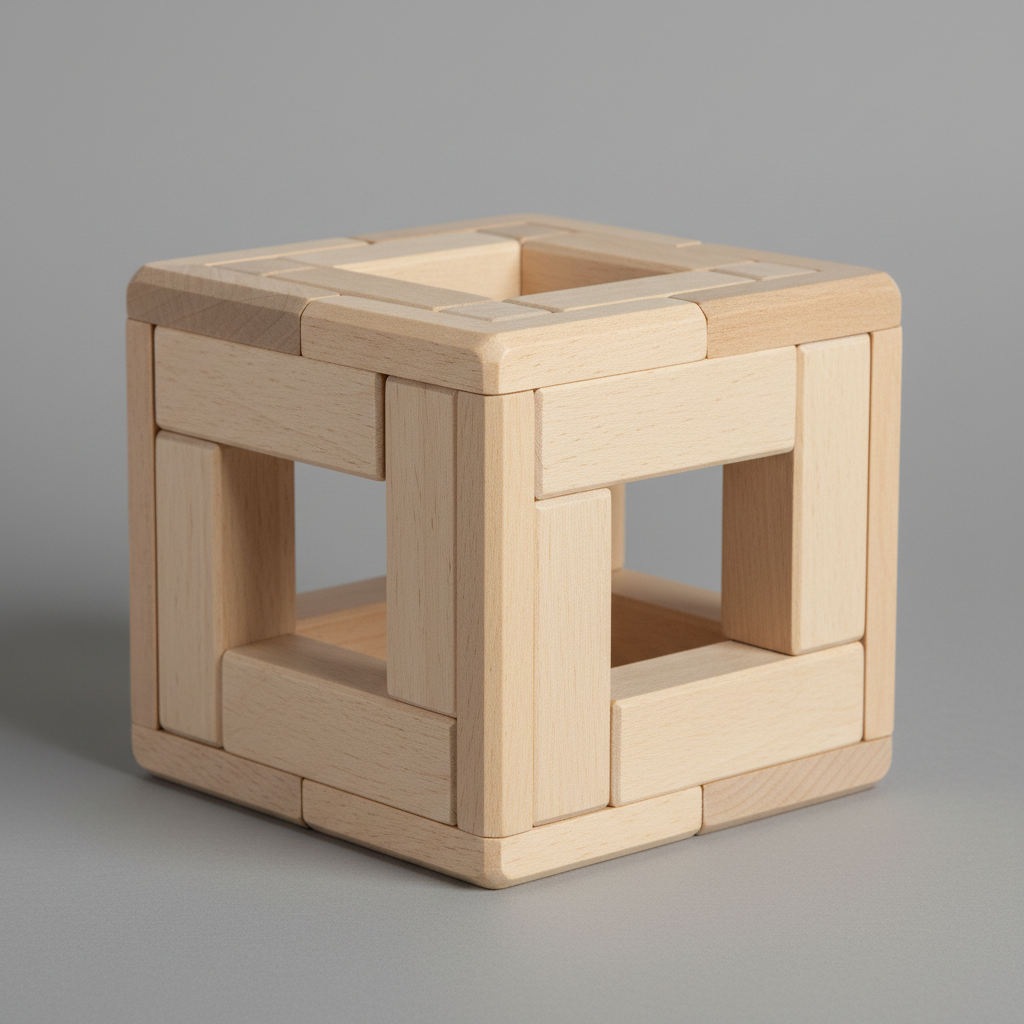
4) Use a “two-hide” approach for heavy chewers
Many cages do better with one durable main hide plus a secondary chew-focused shelter (seagrass or cork). It sounds like extra, but it often reduces how fast the main wooden house gets shredded.
Safety notes and common mistakes (where people accidentally create risks)
- Loose nails, staples, or wire: even small exposed metal can cut cheeks and paws, skip hides with questionable hardware.
- Splintering edges: if you see sharp splinters, sand lightly or replace; repeated facial contact can irritate skin.
- Too-small openings: hamsters can get stuck if the entrance is tight, especially if they pouch food often.
- Assuming “pet-safe” equals “chew-safe”: a finish might be safe for contact, but chewing changes the equation.
If you ever suspect ingestion of non-food materials, or you notice drooling, not eating, swelling, or lethargy, it’s safer to consult a veterinarian. Small animals can decline quickly, and online guessing wastes time.
Key takeaways (so you can shop and set up with confidence)
- Chew proof for wood usually means chew-resistant, thicker, harder, and better-joined.
- Your enclosure setup often determines whether a hide survives, enrichment and placement matter.
- For power chewers, mixing a durable hide with “sacrificial” chew shelters can reduce damage.
- Prioritize low-odor, minimally coated wood with solid construction and safe openings.
Conclusion: choosing durable wood without chasing “indestructible” claims
If you want a hamster hideout wooden chew proof solution that holds up, shop for thick, well-built wood and then make the cage do part of the work: add chew variety, place the hide smartly, and don’t over-wash wood until it turns soft. That mix is what usually stretches lifespan from days to weeks or months, depending on your hamster.
Pick one hide that feels sturdy, add a couple of chew alternatives, and watch where the chewing concentrates for a week, that pattern tells you more than any product label.
FAQ
Is any wooden hamster hideout truly chew-proof?
Usually no. Wood is chewable by design, so the realistic goal is chew-resistance: thicker panels, harder wood, and joints that don’t pop apart when gnawed.
What wood is typically safer for hamsters to chew?
Pet-intended, unfinished wood with a low odor is a common safer bet. Specific species guidance varies, and if a product doesn’t clearly describe materials and finishes, many owners choose a different option to reduce uncertainty.
My hamster chews the entrance nonstop, is that normal?
It can be normal, but it also can signal boredom or stress. Try adding a chew right at the entrance, increase enrichment, and see if chewing intensity drops over several nights.
Should I switch to ceramic if my hamster destroys wood quickly?
Ceramic often lasts longer for heavy chewers. Just make sure it’s stable, can’t tip, and doesn’t have sharp edges, and remember you may still need wooden chews for dental wear.
How often should I replace a wooden hideout?
There isn’t a universal schedule. Replace when you see sharp splinters, loose joints, or openings that change shape enough to pose a snag or squeeze risk.
Can I seal or varnish a wooden hide to make it last longer?
It might improve wipe-down cleaning, but coatings become questionable once chewed. If you can’t confirm a finish is appropriate for chewing exposure, it’s safer to avoid DIY sealing and instead improve placement and chew variety.
Why does my hamster ignore chew toys but attacks the hideout?
Texture and positioning matter. Many hamsters prefer the hide because it’s a “home base” object; placing a higher-value chew near the hide and rotating toy types often works better than adding more of the same stick.
If you’re trying to choose a more durable setup and want a simpler shortlist, focus on one sturdy main shelter, one chew-focused “decoy” shelter, and a small rotation of chews, it’s often the most practical path without turning your cart into a science project.